A First

My friend, A., started a writing class. Her first assignment was to make a list 10 things of her “firsts”, and then write about them.


Intrigued by this idea, I decided to write about one of my “firsts”.


~~~~~~~~~~~~~~~~~~~~~~~~~~~~~~~~~~


MY FIRST TIME I WON A GAME AT CHESS.


I was in grade school in the early 1970’s and in the fourth grade.


I played a simple Scholar’s Mate [For those who don’t know the moves, they are 1.e4 e5 2.Bc4 Nc6 3.Qf3 Nd4? (played to attack White’ queen and threaten …Nxc2+, but actually loses) 4.Qxf7mate].

scholars_mate

I was joyful. Happy. My dad played it against me and I thought it was the best way to win and why did people need chess books?


Then doubt.


Was this it? Was this the best one could achieve in chess? To win a game in four moves? Was this the only, or at least the best, way to win? Why did Grandmasters Fischer and Spassky take so long to move in their match?


Spassky Fischer


Didn’t they know about Scholar’s Mate?


It was only later I discovered that the game of chess is incredibly complex.


And what I have learned in the last 40+ years of studying this game is;


(1) Black does not have to respond 1…e5 to White’s first move.


(2) There are opening variations that go past the 10th, the 20th moves.


(3) There is usually a middle game.


(4) There are endings to learn.


(5) Books exist to help the beginner, the novice, the merely good player, the experienced player, the expert and the master.


(6) And Grandmasters know Scholar’s Mate.

Isolated Pawns

Like most players I was taught to accept isolated pawns with caution. And to avoid doubled isolated pawns. And forget about tripled isolated pawns as they will lose the game for you 100% of the time.


You might have even been shown the game below to illustrate the of evils of accepting tripled isolated pawns.


Adolf Anderssen-Max Lange
Breslau, Germany, 1859
[C61]
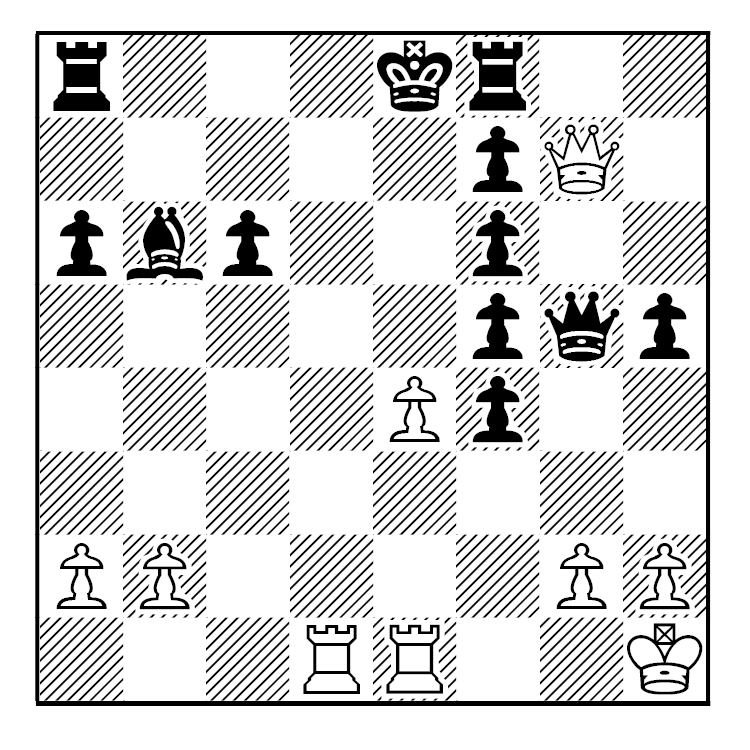
1.e4 e5 2.Nf3 Nc6 3.Bb5 Nd4 4.Nxd4 exd4 5.Bc4 Nf6 6.e5 d5 7.Bb3 Bg4 8.f3 Ne4 9.O-O d3 10.fxg4 Bc5+ 11.Kh1 Ng3+ 12.hxg3
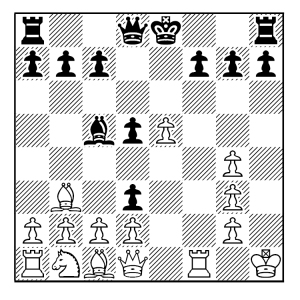
12…Qg5! -+ 13.Rf5 h5 14.gxh5 Qxf5 15.g4 Rxh5+ 16.gxh5 Qe4 17.Qf3 Qh4+ 18.Qh3 Qe1+ 19.Kh2 Bg1+ 0-1


But as I got older, and hopefully wiser, in my learning of the game, it gradually became clear to me that the idea of isolated pawns was not a hard-fast, iron-clad, absolute, rule of the game, solely responsible for a loss.


Let’s take another look at the previous game. White’s development, or rather his lack of it, surely also contributed to his early demise.


I replaced that isolated pawn rule with the idea that a potential weakness is not a weakness if it can’t be attacked.


Our first example is the unforgettable (to put it nicely) Bobby Fischer.


Grossguth-Bobby Fischer
US Jr. Ch.
Franklin Mercantile Chess Club, Philadelphia, July, 1956
[B92]
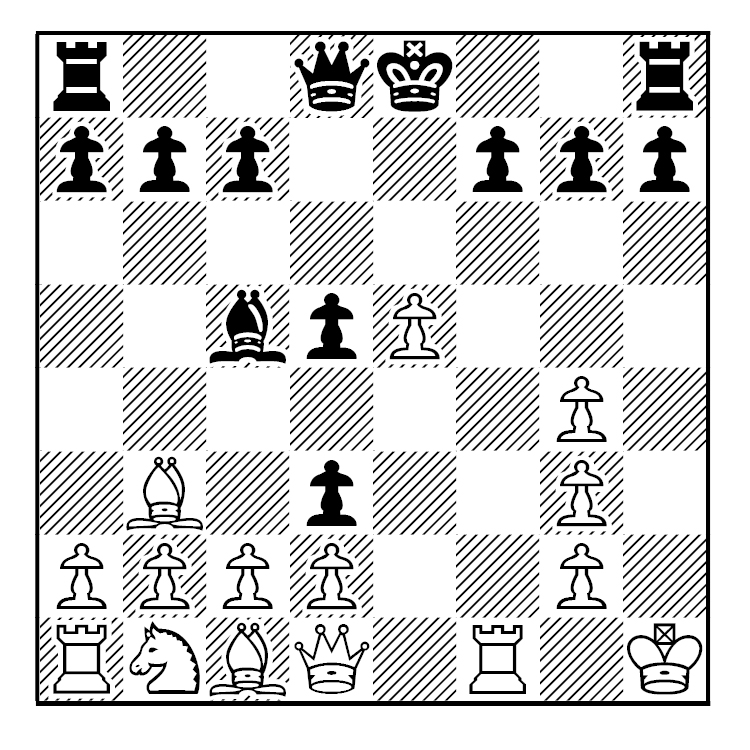
1.e4 c5 2.Nf3 d6 3.d4 cxd4 4.Nxd4 Nf6 5.Nc3 a6 6.Be2 e5 7.Nb3 Be7 8.Be3 O-O 9.Qd2 b5 10.f3 Be6 11.g4 d5 12.g5 d4 13.gxf6 Bxf6 14.O-O-O dxe3 15.Qxd8 Rxd8 16.Nc5 Nc6 17.Nxe6 fxe6
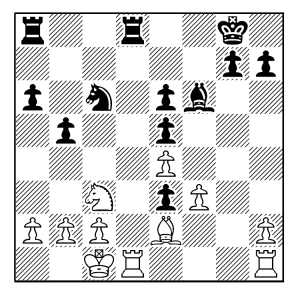
18.Rhf1 b4 19.Na4 Nd4 20.Rxd4 Rxd4 21.Bd3 Rad8 22.Kd1 Bg5 23.Ke2 Bf4 24.h3 Rc8 25.Rd1 Rc6 26.b3 Kf7 27.h4 Kf6 28.h5 a5 29.Nb2? (White can’t do too much with his misplaced knight, but he could survive longer by just leaving it in place.) 29…Rxd3! 0-1


Black loses the following game. But he also has other problems. Like being behind in material, development, and position.


GM A. Yermolinsky-IM W. Shipman (2438)
Reno, 1995
[D52]
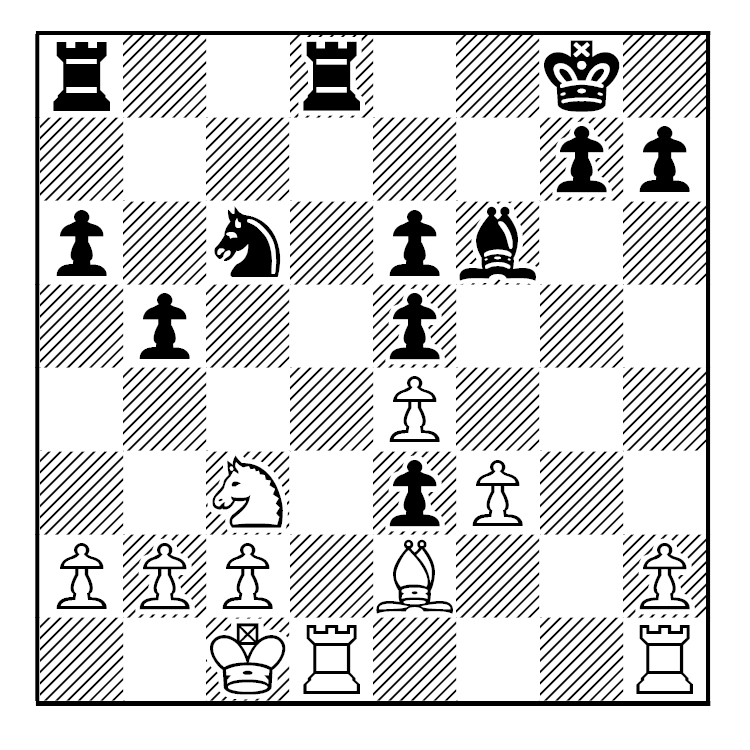
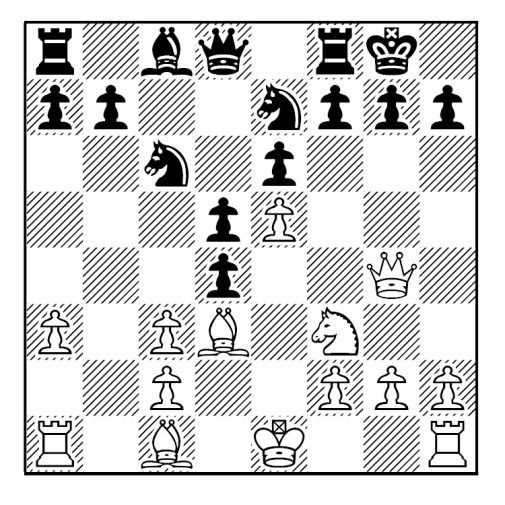
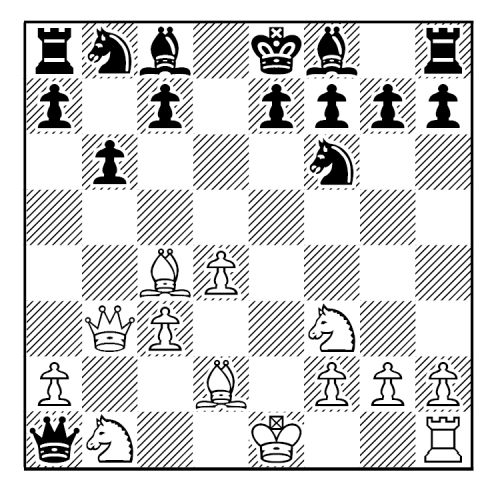
1.d4 d5 2.c4 e6 3.Nf3 Nf6 4.Nc3 c6 5.Bg5 Nbd7 6.e3 Qa5 7.cxd5 Nxd5 8.Qd2 Bb4 9.Rc1 O-O 10.a3 Bd6?! (10.Bxc3 is better. The bishop has limited movement and will interfere with the coordination of Black’s pieces. Perhaps Shipman wanted to throw a GM off-stride.

Carsten Hoi (2445)-Lars Bo Hansen (2550)
Denmark Team Ch., 1996
1.d4 d5 2.c4 e6 3.Nc3 Nf6 4.Bg5 Nbd7 5.e3 c6 6.Nf3 Qa5 7.cxd5 Nxd5 8.Qd2 Bb4 9.Rc1 O-O 10.a3 Bxc3 11.bxc3 Qxa3 12.e4 N5f6 13.Bd3 e5 14.O-O Re8 15.Bxf6 gxf6 16.Nh4 Nf8 17.f4 exd4 18.cxd4 Qd6 19.Nf3 Bg4 20.e5 Qd8 21.Kh1 Kh8 22.Qf2 Ng6 23.Nd2 Rg8 24.h3 Bh5 25.Ne4 fxe5 26.fxe5 Nxe5 27.dxe5 Qxd3 28.Nf6 Qe2 29.Qxe2 Bxe2 30.Rf2 Bd3 31.Nxg8 Kxg8 32.Rc3 Bg6 33.g4 a5 34.h4 a4 35.h5 Be4+ 36.Kh2 b5 37.Rf4 Bd5 38.g5 a3 39.g6 hxg6 40.hxg6 0-1

Peter Heine Nielsen (2620)-Curt Hansen (2610)
North Sea Cup
Esbjerg, 2002
1.d4 Nf6 2.c4 e6 3.Nf3 d5 4.Nc3 c6 5.Bg5 Nbd7 6.e3 Qa5 7.cxd5 Nxd5 8.Qd2 Bb4 9.Rc1 O-O 10.a3 Bxc3 11.bxc3 h6 12.Bh4 Qxa3 13.e4 Ne7 14.Bd3 Ng6 15.Bg3 b6 16.O-O Bb7 17.e5 Qe7 18.h4 c5 19.h5 Bxf3 20.gxf3 Nh4 21.Qf4 Nf5 22.Bxf5 exf5 23.Qxf5 Qe6 24.Qe4 f5 25.d5 Qe8 26.Qf4 b5 27.c4 Qxh5 28.e6 g5 29.Qd6 Nb6 30.e7 Rfe8 31.Be5 Kh7 32.cxb5 Qxf3 33.Qe6 Qg4+ 34.Bg3 Qh5 35.Qxf5+ Qg6 36.Qxg6+ Kxg6 37.d6 Nd7 38.Rfe1 Kf7 39.Rc3 Rab8 40.Rf3+ Kg7 41.Be5+ Kg6 42.Bc3 Rxb5 43.Re6+ Kh5 44.Rh3+ Kg4 45.Rexh6 Rb3 46.Kg2 c4 47.Rh8 1-0

M. Ragger (2655)-B. Esen (2536)
Moscow, Feb. 10 2012
1.d4 d5 2.c4 c6 3.Nf3 Nf6 4.Nc3 e6 5.Bg5 Nbd7 6.e3 Qa5 7.cxd5 Nxd5 8.Qd2 Bb4 9.Rc1 O-O 10.a3 Bxc3 11.bxc3 Qxa3 12.e4 Ne7 13.Bd3 e5 14.O-O f6 15.Be3 Ng6 16.h4 Nh8 17.h5 Nf7 18.Nh4 Nb6 19.f4 Qe7 20.Qf2 Nh6 21.Qg3 exd4 22.cxd4 f5 23.Rc5 Ng4 24.Bc1 fxe4 25.Be2 Qf6 26.Kh1 Nh6 27.f5 Nf7 28.Re5 Nd5 29.h6 e3 30.Bxe3 Nxe3 31.hxg7 Nxf1 32.gxf8=Q+ Kxf8 33.Bxf1 Bd7 34.Bc4 Re8 35.Bxf7 Kxf7 36.Qf4 Kg8 37.Rxe8+ Bxe8 38.Nf3 Kg7 39.Qc7+ Bf7 40.Qxb7 Qxf5 41.Qxa7 Kh6 42.Qe7 Bd5 43.Qe3+ Kg7 44.Qe7+ Kh6 45.Qe3+ Kg7 46.Qe7+ 1/2-1/2)

11.e4 Nxc3 12.Rxc3 e5 13.d5 c5 14.Nh4 Nb6 15.Bf6 Qa4 16.Qg5 Qxe4+ 17.Be2 Qb1+ 18.Bd1 Qg6 19.Nxg6 hxg6 20.Bxe5 f6 21.Bxd6 fxg5 22.Bxf8 Kxf8

23.Rxc5 +- Bf5 24.Bb3 Re8+ 25.Kd2 Re4 26.Re1 Rd4+ 27.Kc1 Be4 28.d6 Bc6 29.Rd1 1-0


Fair enough. Tripled isolated pawns are not necessarily bad ideas.


Now, how do we categorize the following two games??


Gabor Kovacs-Rainer Barth
Balatonbereny Open
Hungary, Sept. 1994
[B02]
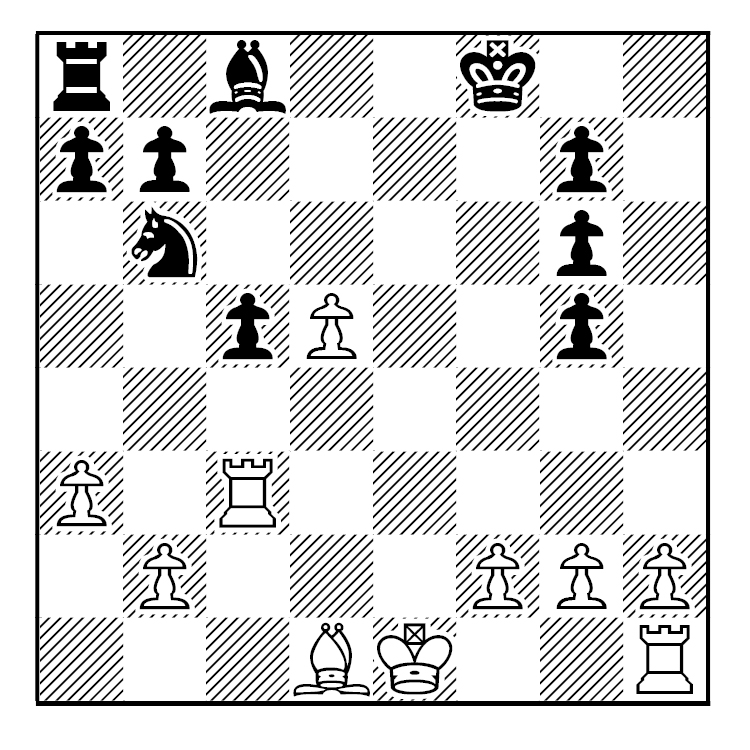
1.e4 Nf6 2.Nc3 d5 (2…e5 naturally leads to the Vienna Game.) 3.exd5 (One interesting game is Robert Jacobs (2222)-GM Shabalov, World Open, Philadelphia, 1997, which continued with 3.e5 Nfd7 4.e6!? fxe6 5.d4 c5 6.Bd3 Nf6 7.dxc5 Nc6 8.Bg5 g6 9.Nh3 Bg7 10.Nf4 d4 11.Ne4 e5 12.Bxf6 exf6 13.Nd6+ Kf8 14.Ne2 Qa5+ 15.Qd2 Qxc5 16.Nxc8 Rxc8 17.O-O Kf7 18.a3 Rhe8 19.f3 Kg8 20.Ng3 f5 21.Rae1 Nd8 22.Qb4 Qxb4 23.axb4 Nc6 24.c3 dxc3 25.bxc3 e4 26.fxe4 Bxc3 27.Rd1 f4 28.Rxf4 Nxb4 29.Bb5 Be5 30.Rf3 Re7 31.Bd7 Rb8 32.Ba4 Kg7 33.Ne2 b5 34.Bb3 a5 35.Nd4 a4 36.Ne6+ Kh8 37.Bd5 Nxd5 38.exd5 Bd6 39.Rc1 Bb4 40.Rc6 Rd7 0-1) 3…Nxd5 4.Bc4 c6 5.d4 g6 6.Nge2 Be6 7.Bb3 Nxc3 8.bxc3 Bxb3 9.axb3 Bg7 10.O-O O-O 11.f4 Na6 12.Ba3 Re8 13.Qd3 Qb6 14.f5 c5 15.fxg6 fxg6 16.Qc4+ e6 17.dxc5 Qc6 18.Rad1 b5 19.Nd4 Qxg2+ 20.Kxg2 bxc4 21.Nb5 Reb8 22.bxc4
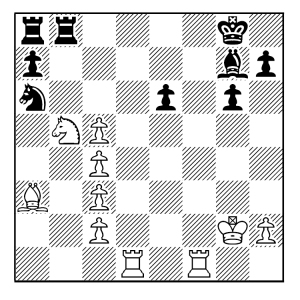
22…Rc8 23.Nd6 Rc6 24.Ne4 Rac8 25.Rd7 R6c7 26.Rd6 Rc6 27.Rfd1 Bf8 28.Rxc6 Rxc6 29.Rd8 Kf7 30.Rd7+ Be7 31.Rxa7 h6 32.Bc1 g5 33.h4 gxh4 34.Bf4 e5 35.Bxe5 Re6 36.Nd6+ Kg6 37.Bd4 Nb8 38.Ra8 Nc6 39.Rg8+ Kh5 40.Nf5 Rg6+ 41.Rxg6 Kxg6 42.Nxe7+ Nxe7 43.Kh3 Nc6 44.Kxh4 1/2-1/2


Thomas Lochte (2225)-Stefan Gross (2330)
Budapest, 1996
[B21]
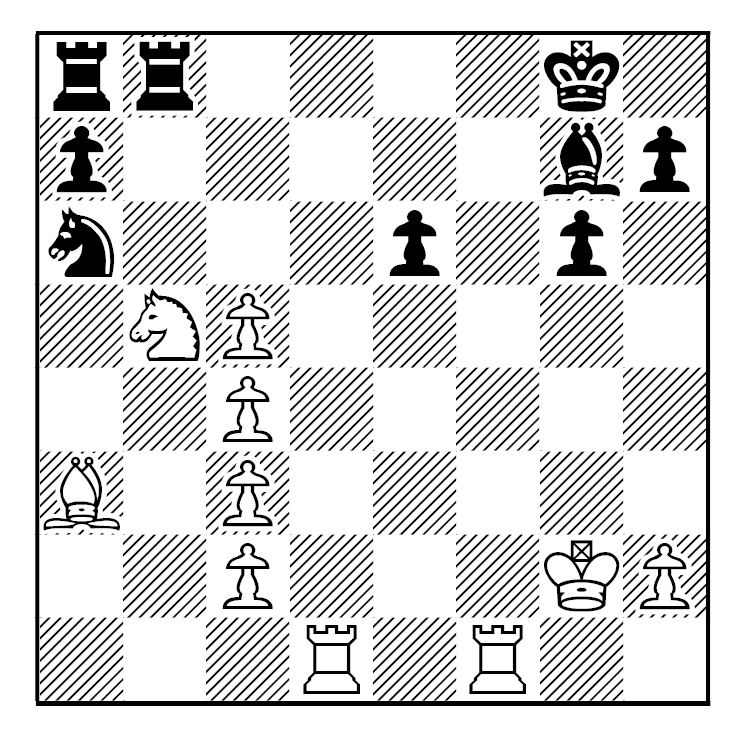
1.e4 c5 2.d4 cxd4 3.c3 dxc3 4.Nxc3 d6 5.Bc4 Nc6 6.Nf3 e6 7.O-O Bd7 8.Bf4 Qb8 (Jakub Breck-Jiri Zajic, Czechoslovakia U26 Ch., Prague, 1968 continued with 8…Nf6 9.Bxd6 Bxd6 10.Qxd6 Qe7 11.Qg3 O-O 12.e5 Ne8 13.Ne4 f5 14.exf6 Nxf6 15.Rfe1 Na5 16.Bd3 Nh5 17.Qg5 Qxg5 18.Nexg5 h6 19.Nxe6 Bxe6 20.Rxe6 Nf4 21.Rd6 Nxd3 22.Rxd3 Rac8 23.b4 Nc6 24.a3 Rfd8 25.Rxd8+ Nxd8 26.Rd1 Ne6 27.Ne1 Rc3 28.Rd3 Rc1 29.Kf1 Nf4 30.Rd8+ Kf7 31.g3 Ke7 32.Rd2 Ne6 33.Ke2 b6 34.Nc2 Ng5 35.Nd4 Ra1 36.Rd3 Rc1 37.h4 Nf7 38.Kd2 Rc4 39.Re3+ Kf8 40.Kd3 Rc1 41.Ne6+ Kg8 42.Nf4 Nd6 43.Re7 a5 44.Nh5 Nf5 45.Rb7 Ra1 46.Rxb6 Rxa3+ 47.Ke4 Ne7 48.Rb7 Kf8 49.bxa5 Ra4+ 50.Kf3 Rxa5 51.Nxg7 Re5 52.Kf4 Re2 53.Nh5 Rxf2+ 54.Kg4 Rf7 55.Rb8+ 1-0) 9.Nb5 Ne5 10.Nxe5 dxe5 11.Bg3 Nf6 12.Qe2 a6 13.Nd4 Bd6 14.Rad1 Bc7 15.Nf3 Bc6 16.Bh4 h6 17.Bxf6 gxf6 18.Nh4 h5 19.Qf3 Bd8 20.Qg3 Qc7 21.Qg7 Rf8 22.f4 exf4 23.Rfe1 Qe5 24.Bd5 Qg5 25.Bxc6+ bxc6 26.Nf5 Bb6+ 27.Kh1 exf5
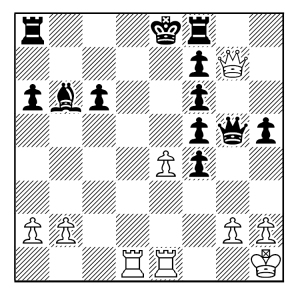

0-1


Greatest Game?

One could argue that the Morphy-Count Brunswick+Isouard, Paris, 1858 is the greatest game of chess ever played (see “A Well-Known Game”, Sept. 21 2018).


But this is my favorite, my nomination for the greatest game ever played. As you’ll see this game is full of unknowns and tactical surprises. And it probably sets a record for most queen sacrifices and queen promotions in a single game. Bogoljubov is completely outplayed. This is Alekhine at his best!


Bogoljubov-Alekhine
Hastings, 1922
1.d4 f5

(The Dutch allows many tactical possibilities. Here is another example:

Giampa-Rai. Garcia
AMEBS
La Plata, Argentina, 1998
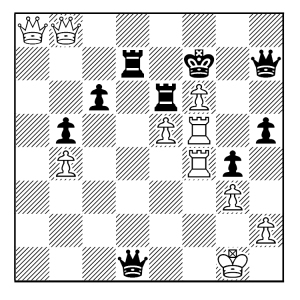
1.d4 f5 2.Nf3 e6 3.Bg5 Nf6 4.Nbd2 d5 5.e3 Be7 6.Bd3 Nbd7 7.O-O c6 8.Ne5 Nxe5 9.dxe5 Ng4 10.Bf4 g5 11.Bg3 O-O 12.Qe2 Nh6 13.f4 g4 14.Kh1 b6 15.c4 Bb7 16.Rfd1 Qe8 17.Rac1 Rd8 18.Nb1 Qh5 19.cxd5 exd5 20.a3 Nf7 21.b4 Nh8 22.Bb5 Qe8 23.Ba4 Qg6 24.Bb3 Nf7 25.Nc3 b5 26.Qb2 Rc8 27.Ne2 Nd8 28.Rc2 Ne6 29.Rdc1 Rfd8 30.Nd4 Nxd4 31.Qxd4 Ra8 32.a4 a6 33.Be1 Qe6 34.a5 Rd7 35.e4 fxe4 36.Qxe4 Rf8 37.Rf2 Qf5 38.Qd4 Bd8 39.Bc3 Rg7 40.Bc2 Qh5 41.g3 Bc8 42.f5 Bg5 43.Rcf1 Qh6 44.Re2 Qh3 45.Rff2 Rgf7 46.f6 Be6 47.Bf5 Re8 48.Bd2 Bxd2 49.Qxd2 Qh5 50.Qc2 Bxf5 51.Rxf5 Qg6 52.Ref2 Re6 53.Qd2 h6 54.R2f4 Rd7 55.Qd1 h5 56.Qd4 Kf7 57.Rf2 Qh6 58.R2f4 Qg6 59.Kg1 Re8 60.Qb6 Re6 61.Qxa6 Qg8 62.Qb6 Qh7 63.a6 d4 64.a7 d3 65.Qb8 d2 66.a8=Q d1=Q+
2018_11_08_a1
67.Rf1 Qd4+ 68.R5f2 Rxe5 69.Qf8+ Ke6 70.Qxc6+ Qd6 71.Qe8+ 1-0)

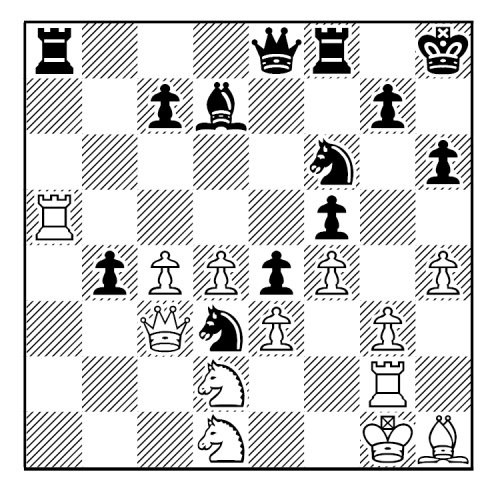
2.c4 [A good move. But 2.g3 and 2.Nf3 are more popular, but for opposite reasons. 2.g3 is played for a small, but certain, advantage, while 2.Nf3 can lead to very wild play (see above.)] 2…Nf6 3.g3 e6 4.Bg2 Bb4+ (A seemingly useless move. But it does eliminate Black’s problem bishop, and more importantly for Alekhine, opens up the board for his tactical talents.) 5.Bd2 Bxd2+ 6.Nxd2 Nc6 7.Ngf3 O-O 8.O-O d6 9.Qb3?! (I don’t like this move as Black has the perfect response with 9…Kh8, getting out of the possible pin, rendering White’s move less effective. 9.Qc2 and 9.Nb3 seem to offer more. ) 9…Kh8 10.Qc3 e5 11.e3 (Pirc-Spielmann, Match, Rogatska Slatina, 1931, continued with 11.dxe5 dxe5 12.Rad1 Qe7 13.Rfe1 e4 14.Nd4 Nxd4 15.Qxd4 c5 16.Qc3 Bd7 17.Nf1 Bc6 18.Ne3 Nd7 19.Bh3 Qg5 20.Rd6 Qh5 21.Kg2 Rae8 22.Nd5 Ne5 23.Nf4 Qf7 24.Nd5 f4 25.Nxf4 g5 26.Be6 Qf6 27.Nh5 Qxf2+ 28.Kh1 Rf6 29.Bd7 Rxd6 30.Bxe8 Rd4 0-1) 11…a5 12.b3 Qe8 13.a3 Qh5 14.h4 Ng4 15.Ng5 Bd7 16.f3 Nf6 17.f4 e4 18.Rfd1 h6 19.Nh3 d5 20.Nf1 Ne7 21.a4 Nc6 22.Rd2 Nb4 23.Bh1 Qe8 24.Rg2 dxc4 25.bxc4 Bxa4 26.Nf2 Bd7 27.Nd2 b5 28.Nd1 Nd3 29.Rxa5 b4
2018_11_08_A
30.Rxa8 bxc3! (Why trade queens while losing the exchange? Well, Black’s pawn can’t be stopped from queening. A good move but even better ones coming later in the game!) 31.Rxe8 c2! 32.Rxf8+ Kh7 33.Nf2 c1=Q+ 34.Nf1 Ne1 35.Rh2 Qxc4 36.Rb8 Bb5 37.Rxb5 Qxb5 38.g4 Nf3+ 39.Bxf3 exf3 40.gxf5 Qe2 41.d5 Kg8 42.h5 Kh7 43.e4 Nxe4 44.Nxe4 Qxe4 45.d6 cxd6 46.f6 gxf6 47.Rd2 Qe2!
2018_11_08_B
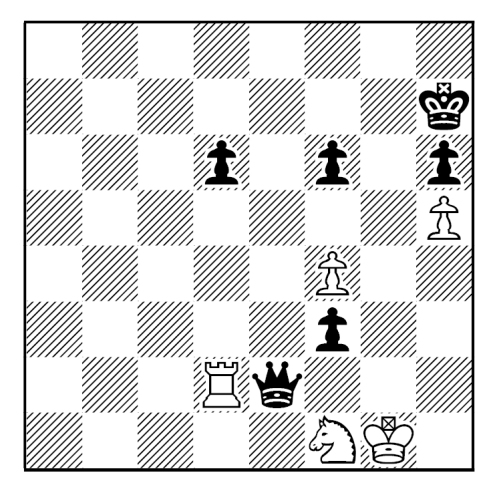
(Again Black can willing give up his queen as another one will be promoted within a few moves.) 48.Rxe2 fxe2 49.Kf2
2018_11_08_C
49…exf1=Q+ (Black gives up his third queen to achieve an easily won king and pawn ending.) 50.Kxf1 Kg7 51.Kf2 Kf7 52.Ke3 Ke6 53.Ke4 d5+
2018_11_08_D
0-1 (After 54.Kd4 Kd6, Black will promote a queen for the fourth time. And he won’t have to sacrifice this one!)

Choose Your Promotion

The word QUEEN has two definitions in chess. Let’s look at both.

 
QUEEN (def. 1) (+S) [n. A piece combining the moves of the rook and bishop, making the strongest piece at the beginning of the game.]

QUEEN (def. 2) (+ED, +ING, +S) [v. To promote a pawn to a queen]


OK, fine.


But what if someone wanted to promote to a Bishop, Rook, or Knight? You can’t Bishop a pawn. And Rooking a pawn doesn’t make sense either.


Now, it is possible you could Knight a Pawn, but only if the man’s name is Mr. Pawn and he does something really very good for the British Empire. But since we are only talking about chess, this doesn’t make sense after all.


Interesting is the fact is that you can King a piece in checkers (or “draughts.”). But you can’t Queen a piece in checkers or in chess (only pawns).


Free-shipping-25mm-8pcs-font-b-pawn-b-font-chess-plastic-game-pieces-for-board-game_A


The umbrella term for promoting a pawn to Knight, Bishop, or Rook, is “underpromotion”. Which, at first, sounds like a demotion. But all it means is the piece the pawn is being promoted to is not the strongest piece possible, even if the underpromoted piece actually wins the game (as promoting to a queen can sometimes lead to an immediate stalemate).


By the way, the word PROMOTE is defined as [v. To upgrade a pawn, upon reaching the eighth rank, to a Rook, Knight, Bishop, or Queen, of one’s own color.]


You can’t promote your pawn to a piece of the opposite color, even if it will benefit you (and yes, this can happen).]


Confused? Good! Just wait until we start talking about OPPOSITION and ZUGZWANG.

Books I Love

I had a recent discussion with a chess friend of mine. The topic? Chess!, of course.


One interesting topic we covered was answering the question, “What is your favorite chess books you ever read?”


Well, my friend a Dragon junkie, said any book with the Dragon can’t be bad.


I take a slightly different approach about chess books. I love to read and read chess books not so much for instruction, but for enjoyment. So my list is slightly different from most other chess zealots.


First on the list is 1000 Best Short Games of Chess by Chernev, who, with his annotations, make all the miniatures of his book so joyous. One characteristic of Chernev I hope current and future chess writers would seek to emulate is to keep the text and notes to a minimum and let the reader have some space to actually ENJOY the game.


Another book with the same approach is Morphy’s Games of Chess by Sergeant. Notes about the game, and people who played them, are simple and short and they don’t get in the way of the game.


1001 Brilliant Ways to Checkmate by Reinfeld. Isn’t that the preferred goal of playing every game? Also it’s a good primer for Siamese Chess. 

 
Soltis’ Chess to Enjoy, is exactly that. It is at times, hilarious, thought-provoking, and at all times, entertaining.


17140.5f75786a.5000x5000o.0ff78dae4615
The best periodical, IMHO (for all those who don’t speak Internetse, is short for In My Humble Opinion), are the New In Chess Yearbooks. If you ever want to study an opening, or even a minor variation of an opening, in great detail, then these books are for you! The games covered in each opening are plentiful and there is enough space between the games and the individual moves of the game to keep you from getting yourself a major eye strain.


Do you have some favorites in your chess library? Why do you like them? Leave us a message! =)

Winning the Game

How many ways can you, as a player, win a game of chess? Think about it before you read further. We’ll give you the first one, “(1) You can win by checkmate. This is the main, and ultimate, goal of the game.” Now let’s see how many other ways to win you can think of.


s342953680842267289_p397_i1_w1200


~~~~~~~~~~~~~~~~~~~~~~~~~~~~~~~~~~~~


(1) You can win by checkmate. This is the main, and ultimate, goal of the game.


(2) You can win by your opponent resigning. It also shortens the game.


(3) You can win by your opponent exceeding the time limit for specified number of moves. Usually referred to as a time loss.


(4) You can win by your opponent not showing up for the start of the game. This differs from the above as no moves are necessary.


(5) Adjourning a game used to be more popular years ago. It consists of Tournament Director (TD) stopping the game and requesting a player to write down his next move on a card (without his opponent know what the move it is, of course), sealing that card in an envelope, and then sealing that envelope, the scoresheets, and the clock times in a larger envelope. The game is resumed at a later time.

If upon resumption, a player’s sealed move is found to be illegal or missing, then the opponent is awarded the game.


(6) If a correspondence game is in danger of going over a prearranged time limit (e.g. three years), then the game score is to be submitted to an arbitrator for adjudication who will determine the winner of the game. If he decides that with best play you would win the game, then you win the game.


(7) If during a thematic tournament, an opponent refuses to play the specified opening, he can be forfeited. Rarely happens as players who enter a thematic tournament do so because they WANT to play that opening.


(8) Any action that a TD determines to be cheating, disruptive, or anything other action that violates the laws or ethics of the game, can be declared a loss of the game by the player who is guilty of the offence. GM So recently lost a game because he kept writing positive affirmations on his score sheet, even after repeated warnings. The rules of chess state only chess moves (and other necessary items, like the opponent’s name), may be written on the score sheet.


~~~~~~~~~~~~~~~~~~~~~~~~~~~~~~~~~~~~


How many did you get? Do you agree with this list?


A Well-Known Game

Of all the millions of chess games ever played, this game is perhaps the well-known and popular of all. Why? I’m glad you asked!

It’s because it features fast development, pins, forks, castling with gain of a tempo, a sacrifice of the exchange, a sacrifice of the knight, a sacrifice of the queen, and winning a miniature. It’s a lot of fun to play and to even fun to annotate.

But I can’t do a better job in fully annotating this game than Chernev or Sergeant. So I’ll just add a few notes and games to further illustrate the game and let them both have most of the fun.


Morphy-Count Brunswick+Isouard
Paris, 1858
[Chernev, 1000 Best Short Games, #441 ; Sergeant, “Morphy’s Games of Chess”, #LXXIX]
[Long considered a Morphy game, this game has far more value than a mere brilliancy. In all the vast literature of chess there is no game which equals this one in clear, simple instruction in basic principles. In seventeen moves we see such tactical themes as double attack, the pin, sacrifice of a Knight, Castling with gain of a tempo, adding pressure to a pin, sacrifice of the exchange, and (fortissimo) sacrifice of the Queen to force checkmate. Sprinkled throughout are moves that smite – captures or checks which cut down the choice of reply. Strategical concepts, such as rapid development of the pieces, interference with the opponent’s development, centralization, occupation of the open files, and control of the long diagonals are all graphically demonstrated. No wonder Marshall called this “The most famous game of all time!” – Chernev]

1.e4 e5 2.Nf3 d6 3.d4 Bg4 (This move deserves a “?” as it gives White the initiative. – RME.) 4.dxe5 Bxf3 5.Qxf3 dxe5 6.Bc4 Nf6

[Black can go very wrong at this point. Here are two examples.

Atwood-Wilson
Casual Game
London, 1801
1.e4 e5 2.Nf3 d6 3.d4 Bg4 4.dxe5 Bxf3 5.Qxf3 dxe5 6.Bc4 Qd7 7.Qb3 c6 8.a4 Bd6 9.O-O Nf6 10.Nc3 O-O 11.Be3 Kh8 12.Rad1 Nh5 13.Rxd6 Qxd6 14.Qxb7 Nd7 15.Rd1 Qb8 16.Rxd7 Qxb7 17.Rxb7 f5 18.Rxa7 Rab8 19.h3 Rxb2 20.Bc5 Rg8 21.Bd3 g5 22.Bd6 1-0

Rotman-Bornarel
Bern, 1992
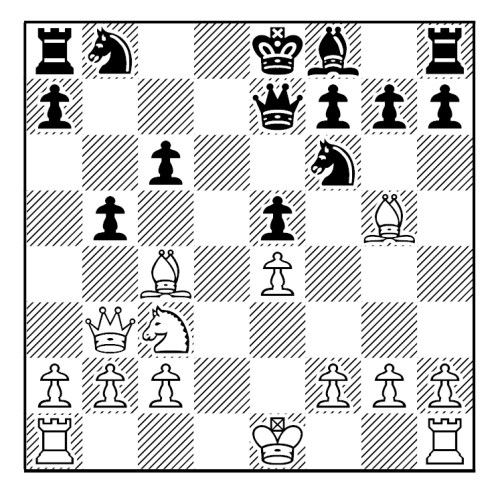
1.e4 e5 2.Nf3 d6 3.d4 Bg4 4.dxe5 Bxf3 5.Qxf3 dxe5 6.Bc4 f6? 7.Qb3 Qd4?? 8.Bf7+ Ke7 [Stronger is 8…Kd8 9.Bxg8 (not 9.Qxb7 Qb4+ and Black cuts his losses to a single pawn..) 9…Qxe4+ 10.Be3  Bd5 +-. An interesting and fun line for White is 10…Rxg8? 11.Qxg8 Qxg2 12.Qxf8+ Kd7 13.Qf7+ Kc6 (not 13…Kc8 14.Qe8#) 14.Nc3!! +- and while Black can restore material equality after 14.Qxh1+ 15.Ke2! Qxa1, he is mated by 15.Qd5#.] 9.Qe6+ Kd8 10.Qe8mate 1-0 -RME]

 
7.Qb3 (Now threatening 8.Bxf7+ Kd7 9.Qe6# – Chernev) 7…Qe7 8.Nc3 (Morphy might have played 8.Bxf7+ Qxf7 9.Qxb7 – But, says Lasker, “that would have a butcher’s method, not an artist’s. – Sergeant) 8…c6 9.Bg5 b5?!

(Steinitz suggested Qc7. After the text-move all is over. – Sergeant. Koltanowksi faced 9…Qb4, and won after 10.Bxf7+! Kd8 11.O-O-O+ Kc7 12.f4 Qxb3 13.Bxb3 Bd6 14.Rhe1 Na6
2018_09_20_a
15.Rxd6! Kxd6 16.fxe5+ Kxe5 17.Bf4+ Kd4 18.Rd1+ Kc5 19.Be3+ Kb4 20.Rd4+ Kc5 21.Rd5+ Kb4 22.a3mate 1-0, Koltanowski-L. Smith, 10 sec/move, Fort Worth, 1962. This might have been a blindfold game. Now back to the original game. – RME]


2018_09_20_1
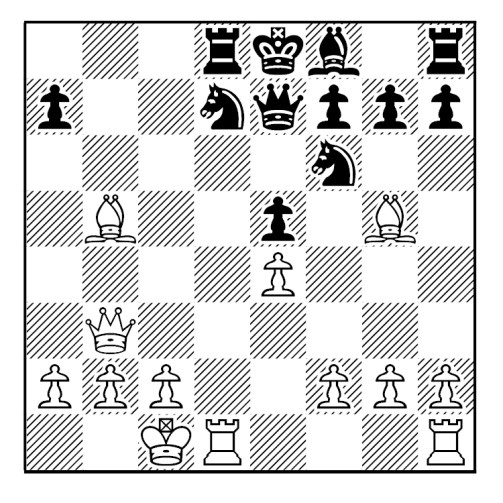
10.Nxb5! cxb5 11.Bxb5+ Nbd7 12.O-O-O (The right way to castle , as the Rook bears down on the pinned Knight without the loss of time. – Chernev) 12…Rd8 (Not 12…O-O-O as 13.Ba6+ Kc7 14.Qb7 is mate. – Chernev)
2018_09_20_2
13.Rxd7! (Again to gain time for the other Rook to strike. – Chernev) 13…Rxd7 14.Rd1 Qe6 (Unpinning his Knight so that it may defend his Rook. – Chernev) 15.Bxd7+ Nxd7 16.Qb8+! Nxb8 17.Rd8mate! (No doubt the opposition was weak; but Morphy’s method of overcoming it was most beautifully logical – a Dasmascus blade cutting a silk cushion.- Sergeant) 1-0

Beating a Master in 10 Moves

If you want to beat a Master, you have to study chess. If you want to beat a Master in the opening, you have to study the openings.

Here’s what I mean:


Escalante-NM Adaar
Thematic Tournament – Winawer Variation, Round 2
Chess.com, Aug.-Sept. 2018
1.e4 e6 2.d4 d5 3.Nc3 Bb4 (The usual route to the Winawer. All games in the tournament began with this position.) 4.e5 c5 5.a3 Bxc3+ 6.bxc3 Ne7 7.Qg4 O-O (Some years ago Van der Tak wrote an article in NIC 8 titled, “Castling Into It?” where he explored Black’s kingside castling possibilities in the Poisoned Pawn Variation of the Winawer, and if it was a viable option for Black. I don’t think the resulting positions favor Black.) 8.Bd3! (Thanks to GM Van der Tak, and his article, I am convinced this move is stronger, with many ideas not yet explored, than most other books might suggest.) 8…Nbc6 9.Nf3

[If Black does not know the main line, then he (or she) has a problem coming up with a good plan. Here’s an example:

E.H. Al Rufei (2068)-Nebal Al Jelda
Women’s Zonal
Tehran, 2001
1.e4 e6 2.d4 d5 3.Nc3 Bb4 4.e5 c5 5.a3 Bxc3+ 6.bxc3 Ne7 7.Qg4 O-O 8.Nf3 Nbc6 9.Bd3 Nf5 10.Bg5 Qa5 11.O-O c4 12.Bxf5 exf5 13.Qg3 Kh8 14.Qh4 Qxc3 15.Bf6 gxf6 16.exf6 Rg8 17.Ng5 Rxg5 18.Qxg5 1-0

His (or her!) best move is 9…f5 10.exf6 Rxf6 11.Bg5 Rf7, with many books giving this position a “=”. But life, on or off the chessboard, is rarely simple as an equal sign. Back to the game. My opponent decided to try something different in this game.]

9…cxd4?? (This loses the game in a hurry.)

2018_09_13

10.Bxh7+! 1-0 [Black resigns due to 10…Kxh7 11.Qh5+ (stronger than the traditional Ng5+ as the potential escape square, g6, is denied to Black) 11…Kg8 12.Ng5 and White mates.]

The Albin Counter Gambit

After a brief time of not playing or studying this gambit, I’ve returned to this interesting line of play. Here are some games which you might enjoy (esp. if you also experiment with the Albin).


~~~~~~~~~~~~~~~~~

Curt Jones-Doug Ralston
Nashville Invitational
Tennessee, 1974
1.d4 d5 2.c4 e5 3.dxe5 d4 4.Nf3 Nc6 5.e3 Bb4+ 6.Bd2 dxe3 7.Bxb4 exf2+ 8.Ke2 Qxd1+ 9.Kxd1 Nxb4 10.a3 Nc6 11.Nc3 Bg4 12.Be2 O-O-O+ 13.Kc2 Bxf3 14.Bxf3 Nd4+ 0-1

George Murphy-Robert Beacon
SCCA Premiers, 2000
[Robert Beacon]
1.d4 d5 2.c4 e5 3.dxe5 d4 4.Nf3 Nc6 5.Nbd2 (Normal here is 5.g3, but the game soon transposes.) 5…f6 6.exf6 Nxf6 7.g3 Bg4 8.a3 Qe7 (Normal would be 8…Qd7 as mentioned. The text is an idea of Nikolay Minev in Inside Chess. I’m following the game Lignell-Niemela 1941.) 9.Bg2 d3! 10.e3 Nd4 11.O-O (11.h3 was obligatory according to Minev.) 11…Ne2+ 12.Kh1 O-O-O 13.Qa4 [13.b4 was played in the above mentioned game (if 13.h3 h5! ). I’m now on my own!] 13…Kb8 14.b4 h5 15.Bb2 h4 16.Nxh4 Bd7 17.Qa5 Ng4 18.Ndf3 Qe8 19.Ne5 (19.Qg5!? with the idea of 20 Qg6!?) 19…Rh5 20.Nxd7+ Rxd7 21.Qa4 g5 (For me it is “all or nothing” in this position. It is difficult to say what the alternatives are.) 22.Bf3 Qe6 23.Kg2? (The game now swings in Black’s favor. Possibly 23.Qb5 to bring the Queen into the game would be better.) 23…gxh4 24.h3 Nxe3+ (Forced ) 25.fxe3 Rg5 26.Bg4 Qe4+ 27.Rf3 Rf7 (The pressure now builds on White.) 28.Raf1 Nxg3 (With hindsight 28…Rxg4 followed by 29… h3+ looks stronger.) 29. R1f2 Nf5 (Black throws away some of his advantage – 29…Ne2 is the move!) 30.Kg1 Bd6 31.Rxf5 (This is probably the decisive mistake At this point the game was finely balanced. 31.c5!? looks better.) 31…Rfxf5 32.Rxf5 (32.Bd4 prolongs the game.) 32…Qxe3+ (32…Rxg4+ 33.hxg4 Qxg4+ 34.Kh1 Qh3+ 35.Kg1 Qh2+ 36.Kf1 Qh1+ 37.Kf2 Bg3# would be more precise.) 33.Kf1 Rxf5+ 34.Bxf5 Bg3! (In a lot of lines in the Albin White’s Queen goes to a4 to pressure Black’s queenside. In this instance it was his undoing as it remained out of the game The back rank threat was an illusion!) 35.Bd4 (The Bishop threat comes too late.) 35…Qe1+ 36.Kg2 Qe2+ 37.Kg1 Qh2+ 0-1

Solis (1934)-WFM Horn (2012)
Women’s Ol.
Khanty-Mansiysk, Russia, Oct. 3 2010
1.d4 d5 2.c4 e5 3.dxe5 d4 4.g3 Nc6 5.Nf3 Nge7 6.Bg2 Ng6 7.Nbd2 Ngxe5 8.Nxe5 Nxe5 9.Nf3 Bb4+ 10.Bd2 Bxd2+ 11.Nxd2 O-O 12.O-O Be6 13.b3 c6 14.Nf3 Nxf3+ 15.Bxf3 Qb6 16.Qc2 c5 17.Rfe1 Rad8 18.Rad1 g6 19.Rd2 Rfe8 20.Red1 Bf5 21.Qb2 g5 22.Bd5 Rd7 23.Bf3 g4 24.Bg2 Rde7 25.Bd5 a5 26.a4 h5 27.Bg2 h4 28.gxh4 Qh6 29.Re1 Qxh4 30.Qc1 Qg5 31.Qb2 Re6 32.Bxb7 Rh6 33.Kg2 Ree6 34.Rh1 Rh3 35.Qc1 Rxb3 36.Ra2 Qxc1 37.Rxc1 Rxb7 0-1

“sergiydazhura”-Escalante
Blitz Game
chess.com, July 16 2018
[chess.com computer and Escalante]
1.d4 d5 2.c4 e5 3.dxe5 d4 4.Nf3 Nc6 5.Bg5 Bb4+ 6.Nbd2 Nge7 7.a4 (7.g3 is more common and the game could follow many different paths.) 7…h6 (This move allows an escape square just in case an attack gets too hot – I still don’t know what White’s plans are. In addition, the move …h6 also prepares a kingside attack by Black if White was to castle on that side or plays weakly.) 8.Bxe7 Qxe7 9.e3 (The chess.com computer calls this an inaccuracy and claims a better move with 9. Qc2 Nxe5 10.Nxd4 O-O 11.e3 Bg4 12.Be2 Rad8 13.Bxg4 Nxg4. I consider this move a little passive, after all, Black intentions are clear – he wants to attack.) 9…dxe3 10.fxe3 Nxe5 11.Nxe5 Qxe5 12.Qb3 Bxd2+ [Mistake. The best move was 12…Bg4!! (The !! are mine – the move wins outright – RME.) See, computer analysis does have its good points!] 13.Rd1 Qg5 14.h4 Qe5 15.Kf2 Bxd1 16.Qxb4 O-O-O 17.Nf3.) 13.Kxd2 Bf5 (Inaccuracy. A better move was 13…O-O. How true! In general, the more pieces involved in an attack, the better!) 14.Bd3 [The best move was 14.Qb5+ (and blunting Black’s attack.) Qxb5 15.axb5 O-O-O+ 16.Ke1 Rhe8 17.Ra3 Kb8 18.Be2 Be4.] 14…O-O-O 15.Rhd1 Rxd3+ 16.Qxd3 Bxd3 (Inaccuracy. A better move was 16… Qxb2+ 17.Ke1 Bxd3 18.Rxd3 Qxa1+ 19.Kd2 Qb2+ 20.Kd1 Qxg2 21.h3.) 17.Kxd3 Rd8+ (The best move was 17… Qxb2 18.e4 Re8 19.a5 Qb3+ 20.Kd4 Rd8+ 21.Ke5 Rxd1 22.Rxd1.) 18.Ke2 Qxb2+ 0-1

Using a Chess Engine

A chess engine is a computer or a program that can analyze a position or game. Many players believe that a computer is incapable of making a mistake and whatever evaluation an engine makes should be taken with blind faith.


But as Bobby Fischer once said, “This is the start (of an analysis)”.


Below is such a discussion between an engine and myself.


Escalante-“xtibis”
Blitz Game
Chess.com, July 22 2018
[Escalante]
1.e4 d5 2.exd5 Qxd5 3.Nf3 (I’ve been experimenting this move for a couple of years. It certainly takes Black out of book and Black has many chances to go wrong in the opening. Like in this game.) 3…Nf6 (This move is very reasonable. It is safe and fits into many Black plans. It is only later when Black forgets why he played this move and apparently forgets about development. By the way, two other common moves are 3…Qe6 and 3…Bg4 are not a good as the text move.) 4.d4 Qa5+ 5.Bd2 Qb6 6.c3 [The engine at chess.com said this was an error and gives the better 6.Na3 c5 (this is because 6…Na3 Qxb2?? loses to 7.Nc4 Qb5 8.Nd6+ – my analysis) 7.Be3 Qa5+ 8.Bd2 Qb6 9.dxc5 Qxc5 10.Be3 Qa5+] 6…Qxb2 7.Qb3 Qxa1 8.Bc4 b6?! (This is too slow. Black has some compensation for his lack of development – the extra rook. He must quickly catch up on his development to secure his advantage. Better is 8… e6. I didn’t need a computer to tell me this! This move would limit the movement of White’s pieces and allows his bishop to move out.)
2018_07_25

9.O-O (Again the chess.com computer suggests another move, giving 9.Bxf7+ Kd8 10.O-O Nc6 11.Na3 Na5 12.Qc2 Qxf1+ 13.Kxf1 e6. I saw at least part of this but I wanted to safeguard my own king and keep the Black’s queen isolated in the corner.) 9…Be6?? (Blunder says the computer and I agree. Black still has 9… e6.) 10.Bxe6! fxe6 11.Na3 1-0 (Black resigned. He could of course play 11…Qxf1+ 12.Kxf1 but his lack of development is still a major problem and White’s queen is now in charge.)