A computer chess tournament


MakingChessComputer1


Chess playing computers are good at several things. They are superb at tactics, discover hidden resources if being attacked, find checkmates, and they don’t get tired.


Earlier today it was reported on chess.com that LCO (LeelaChessZero) won the Chess.com Computer Chess Championship. LCO is a different type of chess playing computer. It does not rely on brute strength, nor a large opening base. Instead, the program is instructed to learn from its mistakes from playing itself in thousands and thousands of games.


LC0 finished with a score of 167.5/300


Below are two games from the event.


LC0-ANTIFISH
Blitz Game (5/2)
CCC 7: Blitz Bonanza Final
Chess.com, Apr.6 2019
[C21]
1.e4 e5 2.d4 exd4 3.c3 dxc3 4.Nxc3 (Hiderland, back in 1970, showed how 4.Bc4 cxb2 5.Bxb2 loses to 5…d5! 6.Bxd5 Bb4+ 7.Kf1 Nf6 8.Qa4+ Nc6 9.Bxc6+ bxc6 10.Qxb4 Qd1+! 11.Qe1 Ba6+ 12.Ne2 Bxe2+ -+.) 4…Bc5 5.Bc4 d6 6.Nf3 Nf6 7.O-O O-O 8.Bg5 Nbd7 9.Nd5 c6 (No player, carbon or silicon based, would want the White knight to remain on d5.) 10.Nxf6+ Nxf6 11.Qc2 Re8 12.Rfe1 Qc7 13.Bxf6 gxf6 14.Qd2 Kg7 15.b4 Bb6 16.Rad1 Be6 17.Bxe6 fxe6 18.Qxd6 Qxd6 19.Rxd6 Red8 20.Red1 (Not 20.Rxe6 because of 20…Kf7!) 20…Rxd6 21.Rxd6 Kf8 22.Kf1 a5 23.Rd7 axb4 24.Rxb7 Ra6 25.e5 fxe5 26.Ng5 h5 27.h4 Bd4 28.Nxe6+ Kg8 29.Rxb4 c5 30.Rb8+ Kf7 31.Nxd4 exd4 32.Rc8 Ra5 33.g4 hxg4 34.h5 Kg7 35.Rc6 Kh7 36.a4 d3 37.Ke1 Rxa4 38.Rxc5 Rd4 39.Rc6 d2+ 40.Kd1 Rf4 41.Kxd2 Rxf2+ (The game is completely even as both kings can’t capture the last pawn. Adjudicated as drawn.) 1/2-1/2


LEELENSTEIN-STOCKFISH
Blitz Game (5/2)
CCC 7: Blitz Bonanza Final
Chess.com, Apr. 6 2019
[C18]
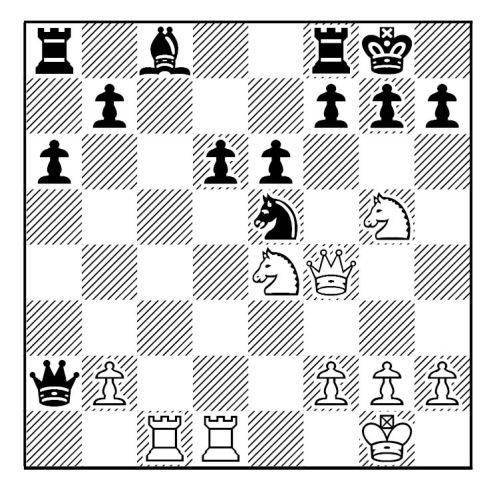
1.e4 e6 2.d4 d5 3.Nc3 Bb4 4.e5 c5 5.a3 Bxc3+ 6.bxc3 Qa5 7.Bd2 Qa4 8.h4 Ne7 9.Qg4!? (More usual is 9.Qb1) 9…Kf8 10.h5 h6 11.Rh3 [An interesting and short game was Frank B. Johnson (2191)-Benedict A. Smail (2120), PRO Chess League (Pacific), chess.com, Jan. 11 2017, which continued with 11.Qd1 Nbc6 12.Nf3 b6 13.Rh4 cxd4 14.Rb1 Ba6 15.Nxd4 Bc4 16.Bxc4 dxc4 17.Qf3 Rc8 18.Nxe6+ Kg8 19.Rg4 fxe6 20.Qf6 g5 21.Bxg5 Nxe5 22.Bxh6+ 1-0] 11…Nbc6 12.Qf4 b6 13.Rf3 Nd8 14.dxc5 Qxf4 15.Bxf4 bxc5 16.Be3 c4 17.Rh3 f6 18.f4 fxe5 19.fxe5 Nf7 20.Nf3 Nc6 21.Bf4 Ke7 22.Be2 [White has a slight advantage due to the better coordination of his pieces.] 22…Rg8 23.O-O-O Bd7 24.Nh4 Kd8 25.Ng6 a5 26.Rf1 Ne7 27.Bg4 Nxg6 28.hxg6 Nh8 29.Bh5 Kc7 30.Be3 Kc6 31.Rf7 a4 32.Rhf3 Nxf7 33.gxf7 Rh8 34.Bf2 Raf8 35.Bh4 g5 36.Bf2 Rh7 37.Bd4 Rhh8 38.Rf6 Kb5 39.Kd2 Kc6 40.Ke3 Kb5 41.Kf3 Kc6 42.Kg4 Bc8 43.Bg6 Bd7 44.Kh5 [White definitely has the advantage now thanks to his advanced pawn on f7. So how does he (it?) press the advantage?]
2019_04_18_A

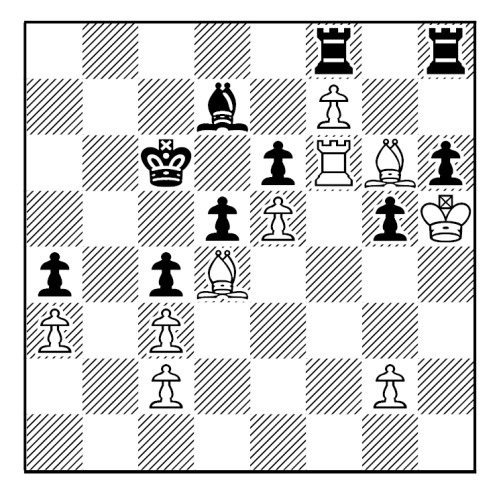
44…Kb5 45.g3 (Excellent! White just improves his position before starting any type of attack.) 45…Rb8 46.Rf1 Kc6 47.Rf6 Kb5 (Black does not mind repeating moves. But White is not going to let the win slip away with a draw.) 48.Rf1 Kc6 49.g4 Rbf8 50.Rb1 Ra8 51.Rb4 (White continues his to improve his position.) 51…Ra6 52.Bh7! Rf8 53.Kg6 Ra5 54.Rb6+! Kc7 55.Kg7 Raa8 [The win is (relatively) easy now.]
2019_04_18_B
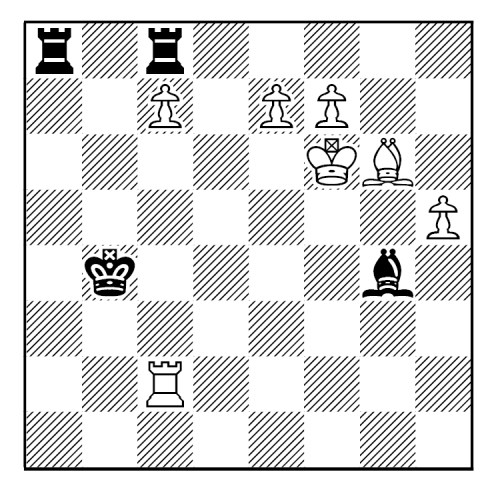
56.Bc5 Rfc8 57.Rd6 (Black’s rook wouldn’t mind moving to h8 and attempt to activate his kingside pawns with …h5, etc. But he can’t immediately move there; 57…Rh8? 58.Bg8! +-.) 57…Rcb8 58.Bg6 Rh8 59.Kf6 Rab8 60.Ra6 Rbc8 61.Ra7+ Kc6 62.Bd6 Rcd8 63.Rxa4 h5 64.gxh5 g4 65.Rb4 g3 66.Rb1 Bc8 67.Rg1 d4 68.Be4+ Kb5 69.a4+! Ka6 (Not 69…Kxa4? due to 70.Bc6+! Ka5 71.Bc5 threatening 72.Ra1#.) 70.Rxg3 d3 71.cxd3 Bd7 72.dxc4 Rc8 73.Rg7 Rcd8 74.c5 Rc8 75.Bd3+ Ka5 76.Rg4 Bc6 77.Rb4 Bd5 78.Rb6 Kxa4 79.c6 Bxc6 80.Rb4+ Ka3 81.Rb6+ Ka2 82.Bb1+ Ka1 83.Bg6 Bf3 84.c4 Ka2 85.Ra6+ Kb2 86.Rb6+ Kc3 87.c5 Ra8 88.c6 Rh6 89.Bb4+ Kd4 90.c7 Rhh8 91.Rd6+ Kc4 92.Rxe6 Kxb4 93.Rd6 Rhc8 94.e6 Kc5 95.Rd3 Be2 96.Rc3+ Kb4 97.Rc2 Bg4 98.e7
2019_04_18_C
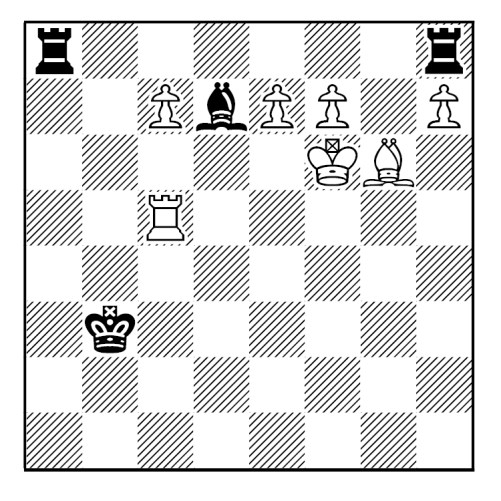
(An enviable position. Most players only dream about having three pawns on the seventh rank.) 98…Bd7 99.h6 (Shall we try for a fourth pawn on the seventh?) 99…Kb3 100.Rc5 Rh8 101.h7 (Got it!)
2019_04_18_D
101…Rac8 102.Be4 Kb4 103.Rc1 Ka5 104.Ke5 Bg4 105.Ra1+ Kb6 106.Rb1+ Ka5 107.Rb7 Rce8 108.c8=Q [White doesn’t want to give Black any counterplay (after …Rxe7+), even if it would cost him a queen or two. Still, it seems that 108.Kf6 is better.] 108…Rxc8 109.f8=Q Rcxf8 110.exf8=Q Rxf8 111.Rg7 Re8+ 112.Kf6 Bc8 113.Rg8 Re6+ 114.Kg5 Rxe4 115.h8=Q Rg4+ 116.Kh5 Rxg8 117.Qxg8 Ba6 118.Qb3 Bf1 119.Qa2+ Kb4 120.Qb1+ Ka3 121.Qxf1 Kb4 (White has a forced mate, was not in time trouble with the 2 second delay, and yet Black plays on.) 122.Kg4 Kc5 123.Qd3 Kb4 124.Kf5 Kc5 125.Ke5 Kc6 126.Qd5+ Kc7 127.Qb5 Kd8 128.Kd6 Kc8 129.Qb3 Kd8 130.Qb8mate 1-0
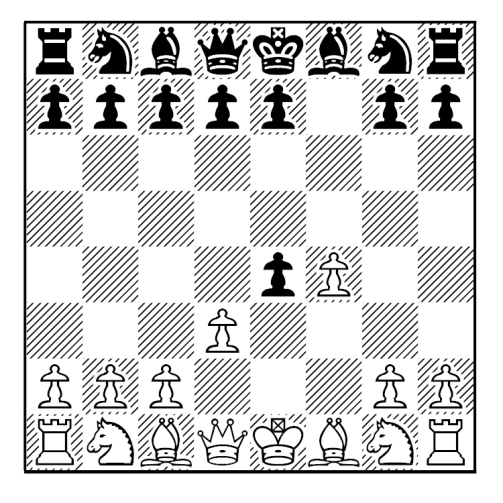
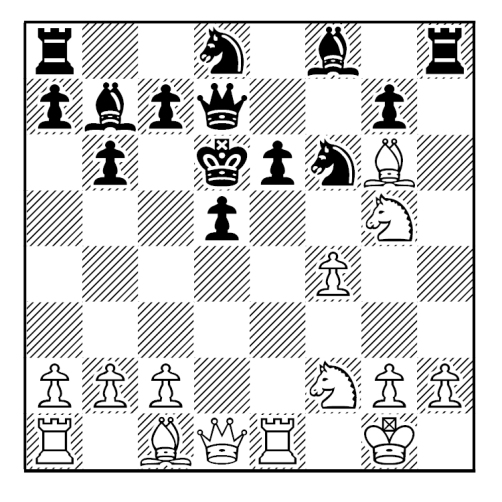
Swiss Gambit

Most players know of Froms’ Gambit [1.f4 e5 2.fxe5 d6 3.exd6 Bxd6 4.Nf3), with continuation of either 4…g5 (to drive away the knight) or 4…Nf6 (to defend and ready to redeploy the knight to g4 or e4)].


But White can also offer a similar gambit after 1.f4 f5 2.e4 fxe4 3.d3. This gambit is known as the Swiss Gambit. Because of its rarity, most players are not aware of it or it’s thematic ideas.


Let’s take a look the gambit after the opening moves (1.f4 f5 2.e4 fxe4 3.d3).

2019_03_14_a

If Black was to take the pawn, he would be a pawn up in the game. However, it would be hazardous to do so as both of White’s bishops (after 3…exd3 4.Bxd3) would be activated and his own kingside would be vulnerable. There are two things that slow down White’s attack. The first is the f-pawn, which unlike in the From’s Gambit (which does not have such an advanced pawn), blocks the bishop from going to f4 or g5. The second thing is that Black usually plays an early 4…Nf6, to stop the h5 checks.

 
Now, lets look at some games.


First, Black does not have to take the pawn. But such a plan can be risky as the d3-pawn can easily capture the e4-pawn and White has a nice center, without having to sacrifice a pawn.


Ranniku-Karakas
Briansk, 1965
1.f4 f5 2.e4 fxe4 3.d3 g6 4.dxe4 e5 5.Nf3 Nf6 6.Bc4 Qe7 7.Nc3 exf4 8.Qe2 d6 9.Bxf4 Be6 10.O-O-O Nc6 11.Bb5 Bd7 12.Bg5 Bg7 13.Nd5 Qd8 14.e5 dxe5 15.Nxe5 Nxe5 16.Qxe5+ Kf7 17.Nxf6 1-0


Priehoda (2404)-Cyprian
Kubin Open, 1978
1.f4 f5 2.e4 fxe4 3.d3 e3 4.Bxe3 Nf6 5.Nc3 d5 6.d4 Bf5 7.Bd3 e6 8.Nf3 c6 9.O-O Bb4 10.Ne2 Nbd7 11.Ng3 g6 12.Qe2 O-O 13.Bd2 Bxd2 14.Qxd2 Qc7 15.Rae1 Rae8 16.h3 b6 17.Nh1 Nh5 18.Ne5 Nxe5 19.fxe5 c5 20.Bb5 Rc8 21.g4 cxd4 22.gxf5 exf5 23.Qxd4 Rcd8 24.e6 Qe7 25.Bd7 Nf6 26.Qh4 Qc5+ 27.Nf2 Qe7 28.Nd3 Kg7 29.Qd4 Kh6 30.Ne5 Ne4 31.Qe3+ Kg7 32.Nc6 Qh4 33.Nxd8 f4 34.e7 Rf6 35.Qf3 Nd2 36.Qg4 1-0


Petran (2341)-Veselsky (2200)
Slovakia Ch.
Dolny Kubin, 1979
1.f4 f5 2.e4 fxe4 3.d3 Nf6 4.Nc3 e3 5.d4 e6 6.Bd3 Bb4 7.Bxe3 Bxc3+ 8.bxc3 O-O 9.Nf3 d6 10.O-O Nbd7 11.Bd2 Qe8 12.Qe2 Rf7 13.Rae1 Nf8 14.f5 h6 15.Nh4 Bd7 16.Qf3 Qc8 17.Qg3 Nh5 18.Qh3 Nf6 19.Ng6 N6h7 20.fxe6 Bxe6 21.Rxf7 Bxh3 22.Ree7 Nxg6 23.Rxg7+ Kf8 24.Ref7+ Ke8 25.Bxg6 1-0

 
If Black wants to decline the pawn offer, he must play an early …d5.


Heinola-Lehtivaara
Tampere Hervanta, 1987
1.f4 f5 2.e4 fxe4 3.d3 d5 4.dxe4 dxe4 5.Qxd8+ Kxd8 6.Nc3 Nf6 7.Be3 c6 8.Nge2 Bf5 9.O-O-O Nbd7 10.Bd4 Kc7 11.Ng3 e6 12.Be5+ Nxe5 13.fxe5 Ng4 14.Ncxe4 Nxe5 15.Be2 g6 16.h3 h5 17.Kb1 h4 18.Nxf5 gxf5 19.Ng5 Re8 20.Rhe1 Rh6 21.Rd2 Bc5 22.Bf1 Nd7 23.Bc4 e5 24.Red1 Nb6 25.Bb3 Be3 0-1


And he must play it accurately.


R. Oberlin-R. Berggren
US Open
Los Angeles, 1991
1.f4 f5 2.e4 fxe4 3.d3 d5 4.Nh3 Nf6 5.Nf2 exd3 6.Bxd3 Nc6 7.O-O b6? (This setup of the knight on c6 and the bishop going to b7 seems too slow and out of touch with a tactical opening such as this one. Black soon finds himself short of moves.) 8.Nd2 Bb7 9.Nf3 Qd7 10.Ng5 Nd8 11.Bxh7 e6 12.Bg6+ Ke7 13.Re1 Kd6 (Let the King Hunt begin!)

2019_03_14_b

4.f5 exf5 15.Nd3 Qa4 16.Bf4+ Kc6 17.Ne5+ Kc5 18.Qd2 d4 19.b4+! Kd5 20.c4+ 1-0


It is only after 1.f4 f5 2.e4 fxe4 3.d3 exd3 4.Bxd3 Nf6 that the real battle begins.

De Groot-Anderssen
Amsterdam, 1875
1.f4 f5 2.e4 fxe4 3.d3 exd3 4.Bxd3 Nf6 5.Nf3 e6 6.Nc3 Be7 7.Ne4 Nc6 8.c3 d6 9.Nfg5 Nxe4 10.Nxe4? (>Bxe4) 10…g6 11.Qe2 e5 12.O-O Bf5 13.Ng5 Bxd3 14.Qxd3 Bxg5 15.fxg5 Qe7 16.Qh3 Qd7 17.Be3 Qxh3 18.gxh3 0-1


After the moves 1.f4 f5 2.e4 fxe4 3.d3 exd3 4.Bxd3 Nf6 5.Nf3 e6, White has three excellent choices of 6.Ng5 (A brazen attempt at an attack, probably best for a blitz game), 6.Ne5 (a more cautious and shy approach to an attack), and 6.Be3 (a developing move that allows White to castle queenside if the need arises).


Bird+Dobell-Gelbfuhs
Vienna, 1873
1.f4 f5 2.e4 fxe4 3.d3 exd3 4.Bxd3 Nf6 5.Nf3 (a very good move as the knight usually finds itself involved in White’s attack.) 5…e6 (this move is the most common as it allows his bishop to develop and bolsters his defense of his weak point on f7.) 6.Ng5!? g6 (not 6…Bc5? because of 7.Bxh7 Kf8 8.Nxe6+, winning) 7.h4 Bh6 8.h5 Bxg5 9.fxg5 Nd5 10.hxg6 Qe7 11.Rxh7 Rxh7 12.gxh7 Qb4+ 13.Kf1 Qh4 14.Bg6+ Ke7 15.Qh5 1-0


Popp-Jørgensen
corres.
IECC, 2000
1.f4 f5 2.e4 fxe4 3.d3 exd3 4.Bxd3 Nf6 5.Nf3 d6 6.Ng5 c6 7.h4 Bg4 8.Be2 Bxe2 9.Qxe2 g6 10.Qe6 Qa5+ 11.Bd2 Qf5 12.Qf7+ Kd7 13.h5 gxh5 14.Rxh5 Qc5 15.Rh1 Qxc2 16.Ne6 Qe4+ 0-1


Christian Maltais (2134)-Daniel J. Freire (2047)
corres.
DE10A /pr 48
ICCF, 2016
1.f4 f5 2.e4 fxe4 3.d3 exd3 4.Bxd3 Nf6 5.Nf3 e6 6.Ng5 d5 7.Qe2 Bc5 8.Nd2 O-O 9.Ndf3 Qd6 10.h4 Nc6 11.c3 h6 12.Ne5 hxg5 13.hxg5 Ne4 14.Bxe4 dxe4 15.g6 Rf5 16.Nf7 Rxf7 17.Qh5 Qf8 18.Qh8mate 1-0


Ivar Jakobsson-Hakan Johansson
Stockholm, 1974
1.f4 f5 2.e4 fxe4 3.d3 exd3 4.Bxd3 Nf6 5.Nf3 e6 6.Ne5 d6 7.O-O b6 8.Ng4 Ba6 9.Nxf6+ Qxf6 10.Re1 Bxd3 11.Qxd3 Nc6 12.Qf3 Kd7 13.Nd2 d5 14.c4 Bc5+ 15.Kh1 Nd4 16.Qh3 Rae8 17.cxd5 Nc2 18.Ne4 Qh6 19.dxe6+ Kc8 20.Qf3 Kb8 21.Nxc5 bxc5 22.Qb3+ Nb4 23.a3 a5 24.axb4 cxb4 25.Rxa5 1-0


Schirmer-Schleipen, 1956
1.f4 f5 2.e4 fxe4 3.d3 exd3 4.Bxd3 Nf6 5.Nf3 e6 6.Be3 Be7 7.O-O O-O 8.Nbd2 Nd5 9.Ng5 Bxg5 10.fxg5 Rxf1+ 11.Nxf1 Nxe3 12.Bxh7+ Kf8 13.Nxe3 Qxg5 14.Qf3+ Qf6 15.Qh5 Ke7 16.Rf1 Qh6 17.Qf7+ Kd6 18.Rd1+ Kc6 19.Be4+ d5 20.Bxd5+ exd5 21.Qxd5+ Kb6 22.Nc4+ 1-0

Bloodless Victories

A bloodless victory in chess is a win for one of the players in which no pieces are taken.


Games of this genre tend to be short as longer games increase the possibility that a piece being taken or exchanged. The knight, with it’s ability to jump over pieces, and thereby avoid taking a piece en route to an attack, is disproportionally used in these types of games. Smothered mates are often seen.

 
A simple example of a bloodless victory is Fool’s Mate (1.f3 e5 2.g4 Qh4#)


Another simple example is Fischer-Panno, Palma de Mallorca Izt., 1970. The entire game went 1.c4 1-0. Panno had a dispute with the organizers and resigned here.

 
There are many more examples. Here is a favorite of mine.

Blackburne-Bonachea
Blindfold game
Havana, 1891
1.e4 e5 2.f4 Nc6 3.Nf3 d6 4.Bc4 Nh6 5.O-O (Interesting to note that the exact sequence of moves also occurred in S. Retout (1808)-S. Burnet, England Open, Charlton 1973 which continued with 5…exf4 6.d4 Qf6 7.Nc3 Bg4 8.Nd5 Qd8 9.Bxf4 Ne7 10.Bxh6 gxh6 11.Nf6# 1-0. But that game had some captures, so let’s get on with this game.) 5…Be7 6.d3 O-O 7.f5 Ng4 8.Nc3 Nb4 9.a3 Nc6 10.h3 Nf6 11.g4 Na5 12.Ba2 b6 13.g5 Ne8 14.h4 Kh8 15.Nh2 f6 16.g6 h6 17.Qh5

2019_03_07_a

(ΔBxh6) 1-0

 
Even rarer is the bloodless mate. Same conditions, but the game ends in checkmate.


This is a recent game played by two amateurs.


“Daveacksh” (1241)-“bandabou” (1212)
Blitz Game
chess.com, Feb. 21 2019
[B20]
1.e4 c5 2.Nf3 Nc6 3.Bc4 e6 4.c3!? Na5 5.Na3 a6 6.d4 b5 7.Be2 c4 8.O-O Bb7 9.e5 Be4 10.Ng5 Bg6 11.Bf3 Rb8 12.Ne4 Ne7? 13.Nd6mate 1-0

 
This type of mate, sans captures, has also occurred in Master (and near-Master) games.

 
Carl Hartlaub-H. H Rosenbaum
Freiburg, Germany, 1892
[C50]
1.e4 e5 2.Bc4 Nc6 3.Nf3 f6 4.Nh4 g5 5.Qh5+ Ke7 6.Nf5mate 1-0

 
Chris W. Baker-Bernard Cafferty
British Chess Ch., Qualification Tournament
Clacton-on-Sea, 1974
[B02]
1.e4 Nf6 2.Nc3 d5 3.e5 Ne4 4.Nce2 Nc5 5.c3 Nd3mate 0-1


Juan Antonio Palmisano-Guillermo Llanos
Buenos Aires, 1995
[E80]
1.d4 Nf6 2.c4 g6 3.Nc3 Bg7 4.e4 d6 5.f3 O-O 6.Bg5 c5 7.d5 Qa5 8.a4 Na6 9.Ra3 Nb4 10.Nge2 e5 (Black has the advantage so White wants to defend. But his move, while well-intended, allows Black to increase his advantage to a -+.) 11.Bd2?? Nd3# 0-1


Emi Hasegawa-Mi Yen Fong (1885)
Women’s Ol.
Istanbul, Aug. 28 2012
[E90]
1.d4 Nf6 2.c4 g6 3.Nf3 Bg7 4.Nc3 d6 5.e4 O-O 6.Bd3 e5 7.d5 Nbd7 8.b4 Nh5!? (8…a5 is more popular. The text move deserves to be investigated more.) 9.O-O Qe7 10.Ne2 c5 11.b5 f5! (The main point of 8…Nh5!?) 12.Rb1 f4 (Black obviously has the advantage.) 13.Kh1 g5 14.Neg1 g4 15.Nd2 Qh4 16.f3 Ng3#
2019_03_07_b
0-1

Dutch Treats

The Dutch is an aggressive response to 1.d4. It is also extremely risky.

Here are some miniatures showing how White (and Black!) can win quickly.


Sorensen-Mortensen
Copenhagen, 1994
1.d4 f5 2.Qd3!? d5 3.g4! (White does well if he can get this move in.) 3…fxg4 4.h3 g3 5.fxg3 Nf6 6.Nc3 c6 7.e4 dxe4 8.Nxe4 Nxe4 9.Qxe4 Qa5+ 10.Bd2 Qd5 11.Bg2 Be6 12.Qe2 Qc4 13.Qe3 Bd5 14.Bxd5 Qxd5 15.Nf3 Nd7 16.b3 O-O-O 17.c4 Qd6 18.Ng5 e5 19.Nf7 Qxd4 20.Qxd4 exd4 21.Nxh8 Ne5 22.O-O 1-0

 
GM W. Browne-GM R. Byrne
US Ch.
Mentor, 1977
1.d4 f5 2.Nc3 Nf6 3.Bg5 (One purpose of this bishop move is to cripple Black’s kingside pawn structure. As in this game.) 3…d5 4.Bxf6 exf6 5.e3 Be6 6.Bd3 g6 7.Qf3 c6 8.Nge2 Nd7 9.h3 Qb6 10.g4 Qxb2 11.Rb1 Qa3 12.gxf5 Bf7 13.Rxb7 Bb4 14.O-O O-O-O 15.Rxb4 Qxb4 16.Ba6+ Kc7 17.Rb1 Qd6 18.Rb7+ Kc8 19.Rb3+ Kc7 20.Rb7+ Kc8 21.e4 Nb8 22.Nb5 cxb5 23.Qc3+ Nc6 24.e5 Qc7 25.e6 1-0


Pomar Salamanca-GM Bent Larsen
Spain, 1975
[GM Larsen was noted for doing well in off-beat openings.]
1.d4 f5 2.Nc3 d5 3.f3 c5 4.e4 e5 5.Bb5+ Bd7 6.Bxd7+ Nxd7 7.Nxd5 cxd4 8.Ne2 fxe4 9.fxe4 Ngf6 10.Bg5 Qa5+ 11.Bd2 Qc5 12.Nxf6+ Nxf6 13.Ng3 h5 14.Qf3 h4 15.Ne2 Qxc2 16.Qf5 Qxe4 17.Qe6+ Be7 18.Bb4 Nd5 19.Bxe7 Nf4 20.Qc4 Kxe7 0-1


Sakaev-Kobalija
Chigorin Memorial
Saint Petersburg, Russia, 1994
1.d4 f5 2.Nc3 d5 3.Bf4 c6 4.e3 Nf6 5.Bd3 g6 6.h4 Be6 7.Nf3 Bg7 8.h5 Nbd7 9.Ng5 Bg8 10.h6 Bf8 11.Qd2 e6 12.O-O-O Qe7 13.f3 e5 14.dxe5 Nxe5 15.Be2 Ned7 16.e4 fxe4 17.fxe4 O-O-O 18.exd5 Bxd5 19.Nxd5 Nxd5 20.Bg4 Qf6 21.Ne6 Ba3 22.Qd4 Qe7 23.bxa3 Qxa3+ 24.Qb2 Qa4 25.Rd4 1-0


Hamilton-J. Scheider
Georgia Ch., 1981
1.d4 f5 2.Nc3 e6 3.e4 fxe4 4.Nxe4 Nf6 5.Bd3 Nc6 6.Nf3 Be7 7.Ne5 O-O 8.Nxf6+! Bxf6 9.Qh5 Nxe5 10.Bxh7+ Kh8 11.Bg6+ 1-0

 
Kupka-Kohout
USSR, 1975
1.d4 f5 2.Nf3 Nf6 3.g3 d6 4.Bg2 c6 5.O-O Qc7 6.Nbd2 e5 7.dxe5 dxe5 8.e4 fxe4 9.Ng5 e3 10.Nde4 Nxe4 11.Bxe4 exf2+ 12.Rxf2 Bc5 13.Qh5+ Ke7 14.Nxh7 Bxf2+ 15.Kxf2 Qa5 16.Bg5+ Kd6 17.Qg6+ Kc5 18.Be3+ Kc4 19.Bd3+ Kd5 20.c4mate 1-0

 
IM Heinz Wirthensohn-IM Lin Ta
Novi Sad. Ol.
Yugoslavia, 1990
1.Nf3 f5 2.g3 Nf6 3.Bg2 d6 4.d4 g6 5.b3 Bg7 6.Bb2 O-O 7.O-O c6 8.Nbd2 Kh8 9.c4 Ne4 10.Qc2 d5 11.Ne5 Nxd2 12.Qxd2 Be6 13.Qb4 b6 14.Rfd1 a5 15.Qd2 Ra7 16.Rac1 dxc4 17.d5 cxd5 18.Nxg6+! 1-0


Hjorth (2502)-A. Wang (2206)
US Open, 1995
1.d4 e6 2.Nf3 f5 3.g3 Nf6 4.Bg2 Be7 5.c4 d5 6.O-O O-O 7.b3 c6 8.Bb2 Ne4 9.Nbd2 Nd7 10.Ne1 Qa5 11.Nxe4 fxe4 12.f3 exf3 13.Nxf3 dxc4 14.bxc4 e5 15.e3 exd4 16.exd4 Nb6 17.c5 Nc4 18.Qe2 Nxb2 19.Qxe7 Rf7 20.Qe2 Qc3 21.Rac1 Qa3 22.Ng5 Rxf1+ 23.Rxf1 Bd7 24.Qe7 h6 25.Qf7+ 1-0


Monacell (2473)-Elburg (2306)
corres.
ICCF, 2002
1.d4 f5 2.g3 Nf6 3.Bg2 g6 4.Nh3 Bg7 5.Nf4 Nc6 6.Nc3 O-O 7.h4 d6 8.d5 Ne5 9.h5 Bd7 10.e4 fxe4 11.Nxe4 Nxh5 12.Ng5 Nxf4 13.gxf4 Nf7 14.Nxh7 Re8 15.Be3 Bxb2 16.Be4 c6 17.Rg1 Bc3+ 18.Bd2 Bg7 19.Rxg6 e5 20.Qh5 exf4 21.O-O-O Re5 22.Rxg7+ 1-0


Krasnov (1955)-Manvelyan (2293) X25
Mechanics’ Summer Tournament
Mechanics’ Institute, San Francisco, June 4 2013
1.d4 g6 2.Nf3 Bg7 3.g3 f5 4.c4 Nf6 5.Nc3 O-O 6.Bg2 d6 7.O-O Qe8 8.e4 fxe4 9.Ng5 Bg4 10.Qb3 Nc6 11.Be3 h6 12.Ngxe4 Nxe4 13.Nxe4? (>13.Bxe4 Bf5 14.Bxf5 Rxf5 15.Nd5) 13…Nxd4 14.Qxb7 Nf3+ 15.Kh1 c5 16.h3 Bd7 17.Nxd6 $4 exd6 18.Bxf3 Rxf3 19.Qxf3 Bc6 0-1


Katt-Emminger
1.d4 f5 2.c4 Nf6 3.Nc3 e5 4.dxe5 Ng4 5.Nf3 Bb4 6.Bd2 Qe7 7.Nd5 Bxd2+ 8.Qxd2 Qc5 9.e3 O-O 10.b4 1-0


Greber (1740)-Curdo (2405)
US Open
Concord, 1995
1.d4 f5 2.c4 Nf6 3.Nc3 g6 4.Nf3 Bg7 5.g3 O-O 6.Bg2 d6 7.O-O c6 8.Re1 Nh5 9.e4 f4 10.Ne2 fxg3 11.fxg3 Na6 12.a3 Bg4 13.Qd3 e5 14.d5 Nc5 15.Qe3 cxd5 16.cxd5 Qb6 17.Nd2 Bh6!
2019_01_02
18.Qxh6 Nd3+ 0-1


A Najdorf Tournament

I am playing in a Najdorf Thematic tournament at chess.com.

 
The tournament is organized into several sections with the winners of each round advancing to the next.

 
I won my preliminary section with a perfect score of 8-0. I didn’t think I would so well, but here I am being advanced to the next round with the other winners of their sections.

 
Here are a couple of games from this tournament.


“Leatherneck”-Escalante
Sicilian Najdorf Invitational
chess.com, 2018
1.e4 c5 2.Nf3 d6 3.d4 cxd4 4.Nxd4 Nf6 5.Nc3 a6 (This position defines the Najdorf, the theme of this tournament.) 6.Bc4 e6 7.O-O Be7 8.Re1 O-O 9.Bg5!? (A move rarely seen in this variation.) 9…Qc7 10.Qe2 Qc5 11.Rad1? Qxg5 12.g3 Bd7 13.f4 Qg6 14.f5 Qg5 15.Qe3 Qxe3+ 16.Rxe3 e5 17.Nd5 Nxd5 18.Bxd5 Bc6 19.Ne6 fxe6 20.Bxe6+ Kh8 21.Bd5 Bxd5 22.exd5 Nd7 23.b4 Nb6 24.g4 Rac8 25.Rd2 Nc4 26.Rc3 Nxd2 0-1


Escalante-“MiddlegamerUmesh” (1531)
Sicilian Najdorf Invitational
chess.com, 2018
1.e4 c5 2.Nf3 d6 3.d4 cxd4 4.Nxd4 Nf6 5.Nc3 a6 6.Bc4 (The move constitutes the Sozin variation, a favorite of Fischer’s and the variation which I played exclusively in round one. Having a perfect score makes me want to try it again in round two. We’ll see.)  6…e6 7.Bb3 Qc7 8.Be3 Be7 9.g4 b5 (9…Nc6 10.g5, with the possibility of the same sacrifice.) 10.g5 Nfd7? 11.Bxe6! 1-0 (Black didn’t want to face 11…fxe6 12.Nxe6 Qa5 13.Nxg7+ Kf8, and White with three pieces for the piece, plus the attack, should win.)


Since I have not included any diagrams in my games, here is some artwork of Fischer, the (in)famous prodigy and world chess champion.


123_back_1

Books I Love

I had a recent discussion with a chess friend of mine. The topic? Chess!, of course.


One interesting topic we covered was answering the question, “What is your favorite chess books you ever read?”


Well, my friend a Dragon junkie, said any book with the Dragon can’t be bad.


I take a slightly different approach about chess books. I love to read and read chess books not so much for instruction, but for enjoyment. So my list is slightly different from most other chess zealots.


First on the list is 1000 Best Short Games of Chess by Chernev, who, with his annotations, make all the miniatures of his book so joyous. One characteristic of Chernev I hope current and future chess writers would seek to emulate is to keep the text and notes to a minimum and let the reader have some space to actually ENJOY the game.


Another book with the same approach is Morphy’s Games of Chess by Sergeant. Notes about the game, and people who played them, are simple and short and they don’t get in the way of the game.


1001 Brilliant Ways to Checkmate by Reinfeld. Isn’t that the preferred goal of playing every game? Also it’s a good primer for Siamese Chess. 

 
Soltis’ Chess to Enjoy, is exactly that. It is at times, hilarious, thought-provoking, and at all times, entertaining.


17140.5f75786a.5000x5000o.0ff78dae4615
The best periodical, IMHO (for all those who don’t speak Internetse, is short for In My Humble Opinion), are the New In Chess Yearbooks. If you ever want to study an opening, or even a minor variation of an opening, in great detail, then these books are for you! The games covered in each opening are plentiful and there is enough space between the games and the individual moves of the game to keep you from getting yourself a major eye strain.


Do you have some favorites in your chess library? Why do you like them? Leave us a message! =)

Calling all Smith-Morra Players

Most players are aware of the Smith-Morra Gambit (1.e4 c5 2.d4 cxd4 3.c3 ). And some of them actually use the gambit. And a few even win their majority of the games with it.


But not too many know about this sideline of the gambit. Here, White insists on giving up third pawn. He can do this by either playing 3.c3 dxc3 4.Bc4 or 3.c3 dxc3 4.Nf3.


Results are mixed; you might want to first try these ideas out on a blitz game.


~~~~ 3.c3 dxc3 4.Bc4 ~~~~


Andrew Cooper (2175)-J.L. Foster (2040)
Barnstaple, England, 1972
1.e4 c5 2.d4 cxd4 3.c3 dxc3 4.Bc4 Nc6 5.Nxc3 d6 6.Nf3 e5 7.O-O Be7 8.b4 Nf6 9.h3 O-O 10.b5 Na5 11.Bd3 Qc7 12.Nd5 Nxd5 13.exd5 b6 14.Be3 Nb7 15.Rc1 Nc5 16.Qc2 f5 17.Be2 Qd8 18.Rfd1 Bd7 19.a4 Rc8 20.Qa2 Bf6 21.Ne1 Qe8 22.Nc2 Kh8 23.Nb4 Qf7 24.Bd3 g5 25.Be2 Rg8 26.Kh1 Ra8 27.Rg1 f4 28.Bd2 g4 29.Qa3 Ne4 30.Be1 gxh3 31.gxh3 Rxg1+ 32.Kxg1 Rg8+ 33.Kf1 Qg6 34.Bf3 Bxh3+ 35.Ke2 Nc5 36.Kd1 Bf5 37.Be2 Qg1 38.Nd3 f3 39.Bxf3 Nxd3 40.Qc3 Rc8 0-1


Gustavo Celis (2379)-Juan Pablo Seminara (2326)
FMDA (A)
Buenos Aires, 1992
1.e4 c5 2.d4 cxd4 3.c3 dxc3 4.Bc4 Nc6 5.Nf3 e6 6.O-O Be7 7.Nxc3 d6 8.Qe2 a6 9.Rd1 Qc7 10.Bf4 Nf6 11.e5 Nh5 12.Bg5 Bxg5 13.Nxg5 Nf4 14.Qf3 Nxe5 15.Qxf4 Qxc4 16.Nce4 O-O 17.Rac1 Qxa2 (White’s two knight are well-placed, but they have do something before Black fully develops.)

2018_09_27_A

18.Nxh7! Ng6 19.Nhf6+ gxf6 20.Nxf6+ Kg7 21.Nh5+ Kg8 22.Qf6 1-0


Xavier Pinero Fernandez (2277)-Lionel Gachon (2275)
Active Chess, 1992?
1.e4 c5 2.d4 cxd4 3.c3 dxc3 4.Bc4 e6 5.Nf3 Qc7 6.Qe2 Nc6 7.O-O Nf6 8.e5 Ng4 9.Nxc3 a6 10.Bf4 b5 11.Bd3 Bb7 12.h3 Nh6 13.g4 Be7 14.Rac1 Qa5 15.Rfd1 Ng8 16.Ne4 h6 17.Nc5 Bxc5 18.Rxc5 g5 19.Bd2 Qxa2 20.Bc3 h5 21.Nxg5 hxg4 22.Nxf7 Kxf7 23.Bg6+ Kxg6 24.Qxg4+ Kf7 25.Rxd7+ Nge7 26.Kh2 0-1


Francisco Adell Corts (2196)-Alexis Cabrera (2502)
Cullera International
Spain, 2003
1.e4 c5 2.d4 cxd4 3.c3 dxc3 4.Bc4 e6 5.Nxc3 Nc6 6.Nf3 Qc7 7.Qe2 Nf6 8.Nb5 Qb8 9.e5 Ng4 10.Bf4 Bb4+ 11.Kf1 a6 12.Nd6+ Bxd6 13.exd6 b5 14.Bb3 Nf6 15.Rd1 a5 16.Ng5 Nd8 17.Be5 Bb7 18.Bc2 Ra6 19.Bxh7 Kf8 20.Be4 Bd5 0-1


GM T. Gareev (2618)-Scott White
Blindfold Simul, Dec. 3 2016
1.e4 c5 2.d4 cxd4 3.c3 dxc3 4.Bc4 Nc6 5.Nf3 e6 6.Nxc3 a6 7.Bf4 Nge7 8.O-O Ng6 9.Bg3 b5 10.Bb3 Be7 11.Nd5 exd5 12.exd5 O-O 13.dxc6 dxc6 14.Qc2 Qb6 15.h4 c5 16.Bd5 Bb7 17.Bxb7 Qxb7 18.h5 Nh8 19.Rfe1 Rad8 20.a4 c4 21.axb5 axb5 22.Qf5 Bf6 23.Be5 Qd5 24.Rad1 Qe6 25.Rxd8 Qxf5 26.Rxf8+ Kxf8 27.Bd6+ Be7 28.Rxe7 Qd3 29.Re6+ 1-0


“Ziryab” (1940)-“Nomen Nescio” (1978)
Blitz Game
ACS, Mar.5 2018
[“Ziryab”]
1.e4 e5 2.d4 exd4 3.c3 dxc3 4.Bc4 c6 5.Nf3 d6 6.O-O Nf6 7.Qe2 Bg4 8.Rd1 Bxf3 9.Qxf3 Be7 (9…c2 and White is busted.) 10.e5 Ng8 (10…O-O 11.exf6 and White is better ; 10…c2 still works.) 11.Qxf7+ Kd7 12.exd6 Nf6 (12…Kc8 13.Be6+ Nd7 14.dxe7) 13.Be6mate 1-0


~~~~ 3.c3 dxc3 4.Bc4 cxb2 ~~~~


Lukes-Jan Holub (2020)
Czechoslovakia Army Ch.
Prague, Aug. 24 1955
1.e4 c5 2.d4 cxd4 3.c3 dxc3 4.Bc4 cxb2 5.Bxb2 Nc6 6.Ne2 Nf6 7.O-O e6 8.Nbc3 Na5 9.Bd3 d5 10.exd5 Nxd5 11.Nxd5 Qxd5 12.Nf4 Qg5 13.Nh3 Qe7 14.Qh5 Nc6 15.Ng5 g6 16.Qf3 e5 17.Bc4 Be6 18.Nxe6 fxe6 19.Bb5 Qc7 20.Rac1 Rc8 21.Qf6 1-0


Xavier Pinero Fernandez (2277)-Victor Vehi Bach (2365)
Active Chess
Barcelona, 1996
1.e4 c5 2.d4 cxd4 3.c3 dxc3 4.Bc4 e6 5.Nf3 cxb2 6.Bxb2 Qa5+ 7.Nc3 Bb4 8.Rc1 Nf6 9.O-O Nc6 10.e5 Ng4 11.Nb5 O-O 12.Bd3 f5 13.exf6 Nxf6 14.Bxf6 gxf6 15.Rc4 Rf7 16.Rg4+ Kh8 17.Qa1 e5 18.Qb1 d5 19.Rh4 e4 20.Bxe4 dxe4 21.Qxe4 Bd7 22.Qg6 Raf8 23.Rh5 Qxb5 24.Qxf7 Qxf1+ 25.Kxf1 Rxf7 26.Rb5 b6 0-1


Lucio Maurino (2235)-Juan Pablo Hobaica (2368)
Argentina U26 Ch., 1997
1.e4 c5 2.d4 cxd4 3.c3 dxc3 4.Bc4 cxb2 5.Bxb2 e6 6.Nf3 d6 7.O-O Nf6 8.Nc3 Be7 9.Qe2 O-O 10.Rfd1 Qa5 11.Nb5 d5 12.exd5 exd5 13.Qxe7 dxc4 14.Bxf6 Nc6 15.Qd6 Qxb5 16.Rd5 Qb4 17.Qg3 g6 18.Rh5 c3 19.Rh4 Qc5 20.Rxh7 Kxh7 21.Ng5+ 1-0


Handigol (2008)-Chernobilskiy (1883)
Neil Falconer Tournament
Mechanics’ Institute, San Francisco, Sept. 24 2013
1.e4 e5 2.d4 exd4 3.c3 dxc3 4.Bc4 cxb2 5.Bxb2 Bb4+ 6.Nc3 Qe7 7.Nge2 Nf6 8.O-O O-O 9.Qb3 Nc6 10.Nd5 Nxd5 11.Bxd5 Bd6 12.f4 Bc5+ 13.Kh1 Kh8 14.Qg3 f6 15.e5 f5 16.Rac1 Nb4 17.Bb3 d5 18.a3 Nc6 19.Nc3 Nd4 20.Nxd5 Qf7 21.Rxc5 Nxb3 22.Rxc7 1-0


~~~~ 3.c3 dxc3 4.Nf3!? ~~~~


Bernd Oltersdorff-Geyer
corres.
East Germany, 1962
1.d4 c5 2.e4 cxd4 3.Nf3 Qa5+ 4.c3 dxc3 5.Nxc3 Nf6 6.Bc4 Nxe4 7.Qd4 Nxc3 8.b4 Qb6 9.Qxc3 e6 10.a3 Nc6 11.Be3 Qd8 12.O-O-O a6 13.Rhe1 b5 14.Bg5 Ne7 15.Bxe6 fxe6 16.Rxe6 dxe6 17.Rxd8+ Kxd8 18.Qc6 Ra7 19.Ne5 Bd7 20.Qb6+ Rc7+ 21.Kb2 Kc8 22.Qxa6+ Rb7 23.Nxd7 Nd5 24.Qa8+ Kc7 25.Qd8+ 1-0


Rafael Leitao (2360)-Aron Correa (2390)
Brazil Ch.
Americana, 1995
1.d4 c5 2.e4 cxd4 3.Nf3 Qa5+ 4.c3 dxc3 5.Nxc3 Nc6 6.Bc4 d6 7.O-O Nf6 8.Bf4 a6 9.Rc1 Ne5 10.Nxe5 dxe5 11.Bd2 Qd8 12.Nd5 Nxd5 13.exd5 g6 14.Bc3 Bg7 15.f4 Qd6 16.Qe2 f6 17.fxe5 fxe5 18.a3 Bd7 19.Bb4 Qb6+ 20.Kh1 Rc8 21.d6 e6 22.Qg4 Rxc4 23.Qxc4 Qe3 24.Qh4 1-0


Kontra-Slavomir Gulvas
Slovakia Ch.
Bratislava, June 2004
1.e4 c5 2.d4 cxd4 3.c3 dxc3 4.Nf3 Nc6 5.Nxc3 d6 6.Bc4 Nf6 7.h3 a6 8.O-O  b5 9.Bxf7+ Kxf7 10.e5 e6 11.Ng5+ Ke7 12.exf6+ gxf6 13.Nd5+ exd5 14.Qxd5  Kd7 15.Ne6 Qb6 16.Be3 Qb8 17.Qf5 Be7 18.Rac1 Bb7 19.Bb6 Ke8 20.Qh5+ Kd7  21.Qf5 Ke8 22.Rfd1 Kf7 23.Qd5 Ke8 24.Qh5+ Kd7 25.Nc5+ 1-0


~~~~ 3.c3 dxc3 4.Nf3!? e5 ~~~~


Eugenio Szabados-Giovanni Emilio Rottigni
Venice, 1923
1.d4 c5 2.e4 cxd4 3.Nf3 e5 4.c3 dxc3 5.Nxc3 Nc6 6.Bc4 Nf6 7.Ng5 Bb4 8.Nxf7 Qa5 9.Bd2 Rf8 10.a3 Bxc3 11.Bxc3 Qc5 12.b4 Qb6 13.Nd6+ Kd8 14.O-O a6 15.Rb1 Qc7 16.a4 Nd4 17.f4 Qxd6 18.fxe5 Qxe5 19.Bxd4 Qc7 20.Rc1 1-0


Igor Bondarevsky-Genrikh Kasparian
USSR Ch.
Tbilisi, 1937
1.d4 c5 2.e4 cxd4 3.Nf3 e5 4.c3 dxc3 5.Nxc3 Nc6 6.Bc4 d6 7.Ng5 Nh6 8.O-O Bg4 9.Bxf7+ Nxf7 10.Qxg4 Nxg5 11.Bxg5 Be7 12.Bxe7 Qxe7 13.Nd5 Qd7 14.Qh5+ g6 15.Qh4 Qg7 16.Nf6+ Kd8 17.f4 Rc8 18.Nd5+ Ke8 19.Qh3 Ne7 20.Rac1 Rxc1 21.Rxc1 Nc6 22.Qe6+ Kd8 23.Qxd6+ Ke8 24.Nc7+ 1-0


Igor Bondarevsky-Peterson
USSR Ol.
Moscow, 1959
1.d4 c5 2.e4 cxd4 3.Nf3 e5 4.c3 dxc3 5.Nxc3 d6 6.Bc4 Nc6 7.Ng5 Nh6 8.O-O Bg4 9.Bxf7+ Nxf7 10.Qxg4 Nxg5 11.Bxg5 Be7 12.Bxe7 Qxe7 13.Nd5 Qd7 14.Qh5+ g6 15.Qh4 Qd8 16.Qh6 Qa5 17.b4 Nxb4 18.Qg7 O-O-O 19.Rab1 1-0


Fidel Albertoni-Roque Eckenfels
corres.
Argentina, 1977
1.e4 c5 2.d4 cxd4 3.Nf3 e5 4.c3 dxc3 5.Nxc3 Nc6 6.Bc4 d6 7.O-O Be7 8.Nd5 Nf6 9.Ng5 O-O 10.Nxf6+ Bxf6 11.Qh5 Bxg5 12.Bxg5 Qe8 13.f4 Be6 14.f5 Bxc4 15.Bf6 Ne7 16.Rf3 Ng6 17.Bxg7 Qd8 18.Bxf8 Qh4 19.Qxh4 Nxh4 20.Rc3 d5 21.Be7 1-0


Joseph Gallagher (2531)-Jim Plaskett (2450)
Commonwealth Ch.
England, 1986
1.d4 c5 2.e4 cxd4 3.Nf3 e5 4.c3 dxc3 5.Nxc3 d6 6.Bc4 Nc6 7.Qb3 Qd7 8.Ng5 Nh6 9.Bd5 Nd4 10.Qd1 Be7 11.Nf3 Nxf3+ 12.Qxf3 Qg4 13.Nb5 O-O 14.Be3 Qg6 15.Bxa7 Be6 16.Bxb7 Bc4 17.a4 d5 18.b3 Bb4+ 19.Kd1 Rxa7 20.Nxa7 Qb6 21.bxc4 Qxa7 22.Bxd5 Qd4+ 23.Kc2 Qd2+ 24.Kb3 Bc3 0-1


~~~~ 3.c3 dxc3 4.Nf3!? cxb2 ~~~~


Gaudin-de Gency
corres., 1925
1.e4 c5 2.d4 cxd4 3.c3 dxc3 4.Nf3 cxb2 5.Bxb2 e6 6.Bc4 b6?! 7.O-O Ba6 8.Nbd2 Bxc4 9.Nxc4 Nf6 10.Bxf6 Qxf6 11.e5 Qf4 (One can criticize this move as White has more pieces developed than Black. But if the Black queen goes back to d8, then Black has a very cramped game. But after the text move, he still has a very cramped game.) 12.Rc1 Nc6 13.Nd6+ Bxd6 14.Qxd6 (From this point onward, White’s game almost plays itself due to the cramped position of Black’s game.) 14…Rd8 (Not 14…f6, in attempt to flee to f7 or at least break the bind imposed by the e5 pawn, due to 15.Rxc6! dxc6 16.Qxe6+) 15.Rfd1 Qe4 16.Nd4 Nxd4 17.Rxd4 Qe2 18.h4 Qh5 19.a4 1-0


Rothgen-G. Meystre
corres.
Europe Tournament, 1961
1.e4 c5 2.d4 cxd4 3.Nf3 e5 4.c3 dxc3 5.Bc4 cxb2 6.Bxb2 Nc6 7.O-O d6 8.Nc3 Be6 9.Nd5 Nf6 10.Qe2 Be7 11.Ng5 Nd7 12.Nxe6 fxe6 13.Nf4 exf4 14.Bxg7 Nde5 15.Bxh8 f3 16.Qc2 Bf6 17.Bxf6 Qxf6 18.Rfc1 Nd4 19.Qa4+ Kf8 20.g3 Nxc4 21.Qxc4 Ne2+ 22.Kf1 Nxc1 23.Rxc1 Qb2 24.Rc3 Qb1+ 1/2-1/2


Helgren-Soderlung
Uppsala, 1967
1.e4 c5 2.d4 cxd4 3.c3 dxc3 4.Nf3 cxb2 5.Bxb2 e6 6.Bc4 Qa5+ 7.Nbd2 Nf6 8.O-O Nc6 9.Bb3 Qh5 10.e5 Ng4 11.Nc4 b6 12.Nd6+ Bxd6 13.Qxd6 Bb7 14.Rfd1 Rd8 15.Ba4 Nh6 16.Ba3 Nf5 (Black is dodging mating threats. But this strategy cannot be sustained for long.) 17.Qc7 Ba8

2018_09_27_B

18.Rxd7! Rxd7 19.Qc8+ 1-0 (19…Rd8 20.Bxc6+ Bxc6 21.Qxc6+ Rd7 22.Rd1 +-)


An. Meszaros (2286)-M. Orso (2328)
Caissa IM
Kecskemet, Hungary, Nov. 16 2013
1.e4 c5 2.d4 cxd4 3.c3 dxc3 4.Nf3 cxb2 5.Bxb2 Nc6 6.Bc4 d6 7.O-O Nf6 8.Nc3 e6 9.Re1 Be7 10.Rc1 O-O 11.Ng5 a6 12.Kh1 b5 13.Bb3 Na5 14.Bc2 Nc4 15.Ba1 Bb7 16.f4 h6 17.Nf3 Rc8 18.Re2 Re8 19.Qe1 Bf8 20.Nd4 d5 21.e5 Nh5 22.Qf2 b4 23.Nd1 a5 24.g4 Nxf4 25.Qxf4 Be7 26.Rf2 Rf8 27.Qg3 Bh4 28.Qd3 g6 29.Rxf7 Nxe5 30.Rg7+ Kxg7 31.Nxe6+ Kg8 32.Bxe5 Qe8 33.Nxf8 Qxe5 34.Qxg6+ Qg7 35.Qe6+ Kxf8 36.Bg6 Rd8 37.Nb2 Qf6 38.Qxf6+ Bxf6 39.Rc7 Bxb2 40.Rf7+ Kg8 41.Rxb7 d4 42.Bd3 Bc3 43.h4 a4 44.g5 hxg5 45.hxg5 Rc8 46.Kg2 a3 47.g6 Be1 48.Kf3 Rc6 49.Kg4 Rc3 50.Bf5 Re3 51.Bc2 Rg3+ 52.Kf5 Rc3 53.Bb3+ Rxb3 54.axb3 Bc3 55.g7 Kh7 56.Kf6 d3+ 57.Kf7 Bxg7 58.Rxb4 Kh6 59.Rb6+ Kh7 60.Rb4 Kh6 61.Rb6+ Kh7 1/2-1/2


The Albin Counter Gambit

After a brief time of not playing or studying this gambit, I’ve returned to this interesting line of play. Here are some games which you might enjoy (esp. if you also experiment with the Albin).


~~~~~~~~~~~~~~~~~

Curt Jones-Doug Ralston
Nashville Invitational
Tennessee, 1974
1.d4 d5 2.c4 e5 3.dxe5 d4 4.Nf3 Nc6 5.e3 Bb4+ 6.Bd2 dxe3 7.Bxb4 exf2+ 8.Ke2 Qxd1+ 9.Kxd1 Nxb4 10.a3 Nc6 11.Nc3 Bg4 12.Be2 O-O-O+ 13.Kc2 Bxf3 14.Bxf3 Nd4+ 0-1

George Murphy-Robert Beacon
SCCA Premiers, 2000
[Robert Beacon]
1.d4 d5 2.c4 e5 3.dxe5 d4 4.Nf3 Nc6 5.Nbd2 (Normal here is 5.g3, but the game soon transposes.) 5…f6 6.exf6 Nxf6 7.g3 Bg4 8.a3 Qe7 (Normal would be 8…Qd7 as mentioned. The text is an idea of Nikolay Minev in Inside Chess. I’m following the game Lignell-Niemela 1941.) 9.Bg2 d3! 10.e3 Nd4 11.O-O (11.h3 was obligatory according to Minev.) 11…Ne2+ 12.Kh1 O-O-O 13.Qa4 [13.b4 was played in the above mentioned game (if 13.h3 h5! ). I’m now on my own!] 13…Kb8 14.b4 h5 15.Bb2 h4 16.Nxh4 Bd7 17.Qa5 Ng4 18.Ndf3 Qe8 19.Ne5 (19.Qg5!? with the idea of 20 Qg6!?) 19…Rh5 20.Nxd7+ Rxd7 21.Qa4 g5 (For me it is “all or nothing” in this position. It is difficult to say what the alternatives are.) 22.Bf3 Qe6 23.Kg2? (The game now swings in Black’s favor. Possibly 23.Qb5 to bring the Queen into the game would be better.) 23…gxh4 24.h3 Nxe3+ (Forced ) 25.fxe3 Rg5 26.Bg4 Qe4+ 27.Rf3 Rf7 (The pressure now builds on White.) 28.Raf1 Nxg3 (With hindsight 28…Rxg4 followed by 29… h3+ looks stronger.) 29. R1f2 Nf5 (Black throws away some of his advantage – 29…Ne2 is the move!) 30.Kg1 Bd6 31.Rxf5 (This is probably the decisive mistake At this point the game was finely balanced. 31.c5!? looks better.) 31…Rfxf5 32.Rxf5 (32.Bd4 prolongs the game.) 32…Qxe3+ (32…Rxg4+ 33.hxg4 Qxg4+ 34.Kh1 Qh3+ 35.Kg1 Qh2+ 36.Kf1 Qh1+ 37.Kf2 Bg3# would be more precise.) 33.Kf1 Rxf5+ 34.Bxf5 Bg3! (In a lot of lines in the Albin White’s Queen goes to a4 to pressure Black’s queenside. In this instance it was his undoing as it remained out of the game The back rank threat was an illusion!) 35.Bd4 (The Bishop threat comes too late.) 35…Qe1+ 36.Kg2 Qe2+ 37.Kg1 Qh2+ 0-1

Solis (1934)-WFM Horn (2012)
Women’s Ol.
Khanty-Mansiysk, Russia, Oct. 3 2010
1.d4 d5 2.c4 e5 3.dxe5 d4 4.g3 Nc6 5.Nf3 Nge7 6.Bg2 Ng6 7.Nbd2 Ngxe5 8.Nxe5 Nxe5 9.Nf3 Bb4+ 10.Bd2 Bxd2+ 11.Nxd2 O-O 12.O-O Be6 13.b3 c6 14.Nf3 Nxf3+ 15.Bxf3 Qb6 16.Qc2 c5 17.Rfe1 Rad8 18.Rad1 g6 19.Rd2 Rfe8 20.Red1 Bf5 21.Qb2 g5 22.Bd5 Rd7 23.Bf3 g4 24.Bg2 Rde7 25.Bd5 a5 26.a4 h5 27.Bg2 h4 28.gxh4 Qh6 29.Re1 Qxh4 30.Qc1 Qg5 31.Qb2 Re6 32.Bxb7 Rh6 33.Kg2 Ree6 34.Rh1 Rh3 35.Qc1 Rxb3 36.Ra2 Qxc1 37.Rxc1 Rxb7 0-1

“sergiydazhura”-Escalante
Blitz Game
chess.com, July 16 2018
[chess.com computer and Escalante]
1.d4 d5 2.c4 e5 3.dxe5 d4 4.Nf3 Nc6 5.Bg5 Bb4+ 6.Nbd2 Nge7 7.a4 (7.g3 is more common and the game could follow many different paths.) 7…h6 (This move allows an escape square just in case an attack gets too hot – I still don’t know what White’s plans are. In addition, the move …h6 also prepares a kingside attack by Black if White was to castle on that side or plays weakly.) 8.Bxe7 Qxe7 9.e3 (The chess.com computer calls this an inaccuracy and claims a better move with 9. Qc2 Nxe5 10.Nxd4 O-O 11.e3 Bg4 12.Be2 Rad8 13.Bxg4 Nxg4. I consider this move a little passive, after all, Black intentions are clear – he wants to attack.) 9…dxe3 10.fxe3 Nxe5 11.Nxe5 Qxe5 12.Qb3 Bxd2+ [Mistake. The best move was 12…Bg4!! (The !! are mine – the move wins outright – RME.) See, computer analysis does have its good points!] 13.Rd1 Qg5 14.h4 Qe5 15.Kf2 Bxd1 16.Qxb4 O-O-O 17.Nf3.) 13.Kxd2 Bf5 (Inaccuracy. A better move was 13…O-O. How true! In general, the more pieces involved in an attack, the better!) 14.Bd3 [The best move was 14.Qb5+ (and blunting Black’s attack.) Qxb5 15.axb5 O-O-O+ 16.Ke1 Rhe8 17.Ra3 Kb8 18.Be2 Be4.] 14…O-O-O 15.Rhd1 Rxd3+ 16.Qxd3 Bxd3 (Inaccuracy. A better move was 16… Qxb2+ 17.Ke1 Bxd3 18.Rxd3 Qxa1+ 19.Kd2 Qb2+ 20.Kd1 Qxg2 21.h3.) 17.Kxd3 Rd8+ (The best move was 17… Qxb2 18.e4 Re8 19.a5 Qb3+ 20.Kd4 Rd8+ 21.Ke5 Rxd1 22.Rxd1.) 18.Ke2 Qxb2+ 0-1