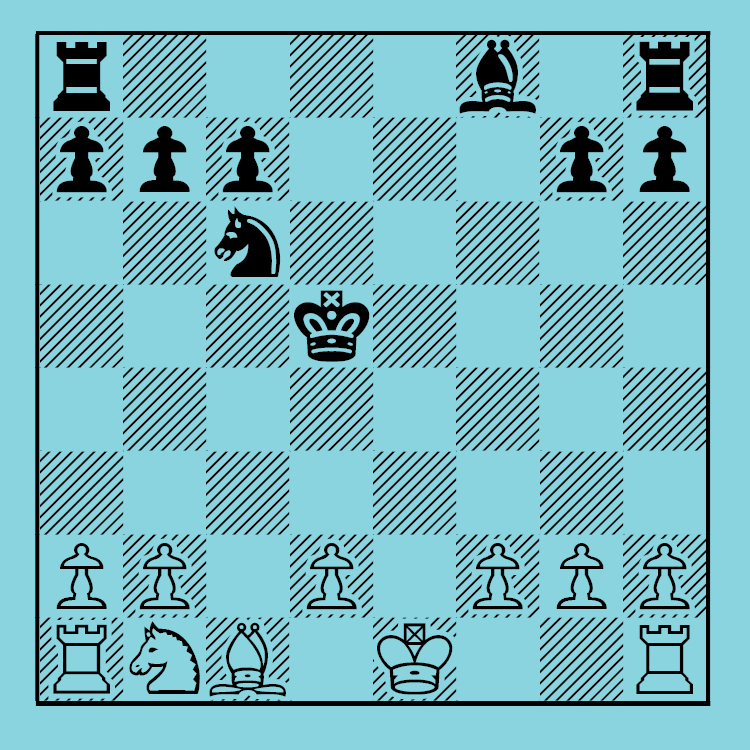
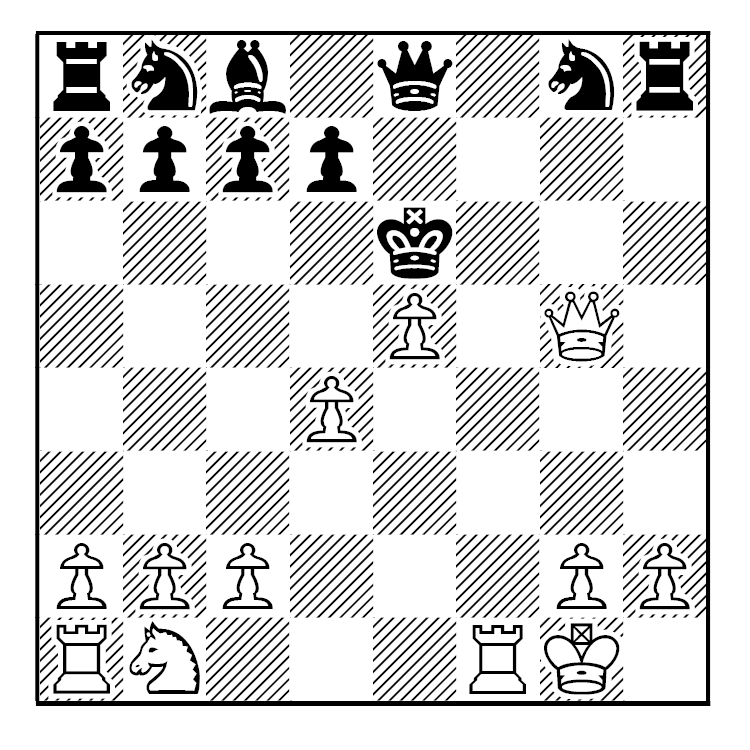
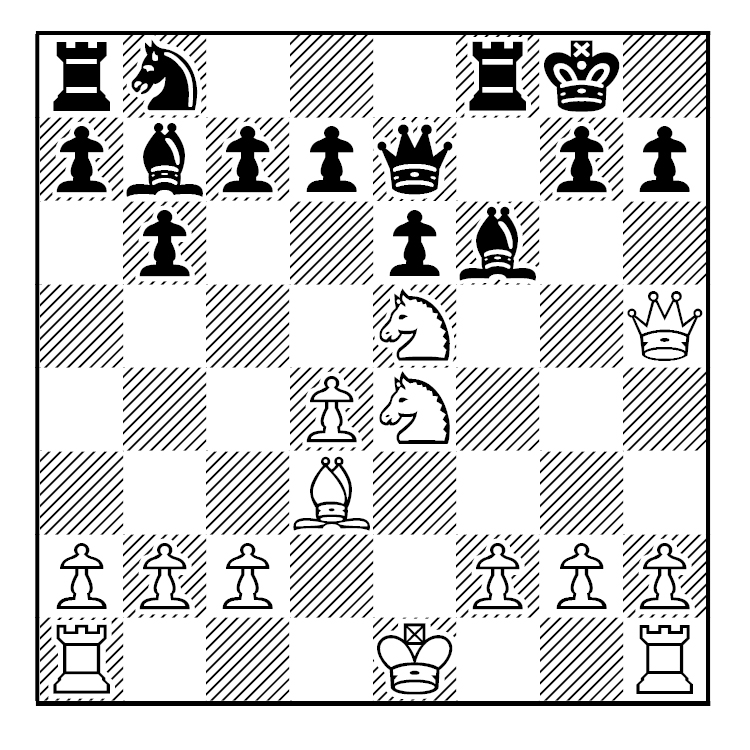
Chess and Checkers

When I was in High School, and just beginning to understand the theories of chess, an old man came to visit us at the table. This episode probably then happened a park.


He watched with some intensity, as I and my opponent were engrossed in our game. After the game ended (I think I won), he asked, almost with a sneer, “so what is the difference between checkers and chess?”


I didn’t exactly why he was asking this question. But I gave him my best answer and replied, “Chess is more complicated”.


With that, the old turned around and departed. Maybe he thought I was rude and me being a male teenager, that may be true. Or is because he didn’t expect the conversation to go that way. Or he may have thought he has interacting with younger teens (after all, when I was 14 I could still pass for a 12 year-old).


So, I got to thinking, what are differences between chess and checkers. And I drew up a list. Which I promptly lost. But I remember most of it. And now with the magic of the Internet, and blogging in particular, here is my list (corrected for spelling and grammar).


~~~~~~~~~~~~~~~~~~~~~~~~~~~~~~~


WHAT IS THE SAME


The boards are identical in size (8 x 8).


Each board has 64 squares.


A man moving to the 8th rank is promoted.


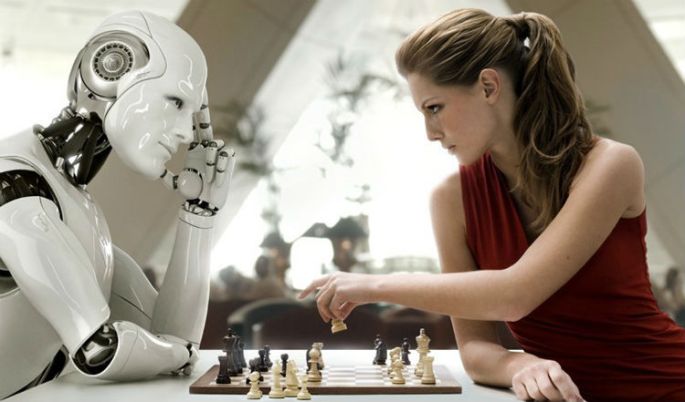
MakingChessComputer1


It is a game usually played by only two competitors.


WHAT IS DIFFERENT


Checkers is played on a red and black board. Chess is typically played on a white and black board.


In checkers, each player starts with only 12 men. In chess, each player starts with 16 men.


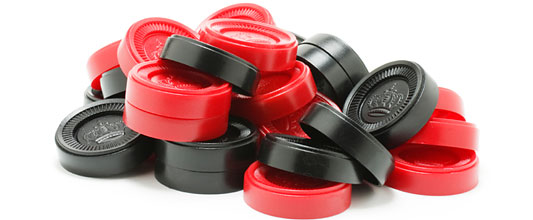
checkers


In checkers, all the men look the same, move the same way, and are of equal value. In chess, the pieces look different, move differently, and are worth different values.


pawns-3467512_960_720


In checkers, Black moves first. In chess, White moves first.


In checkers, a man reaching the 8th rank can only be promoted to a King. In chess, a man reaching the 8th rank can be promoted to a Queen, a Rook, a Bishop, or a Knight. But never to a King.


In checkers, players use only 32 squares of the board. In chess, both players use all 64 squares.


In checkers, players may only move their men diagonally. In chess, players may move their pieces diagonally, forward, backwards, and horizontally.


In checkers, a player captures a man by jumping over them. In chess, a player can capture a man by occupying their place on the board.


In checkers, only a king can move backwards. In chess, Knights, Bishops, Rooks, Queens, and Kings can move backwards. Pawns are the only units that may only move forward.


maxresdefault

In chess, there are rules for en passant and castling. No such rules exist for checkers.


In checkers, captures are mandatory. In chess, players may decline a capture.


In checkers, openings are decided by lot. In chess, opening play is determined by the players.


And for us chess enthusiasts:


Chess has a high cultural value. People equate us chess players as possessing great intelligence, a fantastic memory, and in its purest form; grace.


It is possible to be a prodigy in math, music, or chess.


Two examples;


Frank Brady wrote “Bobby Fischer: Profile of a Prodigy”.


Wikipedia has an article titled, “Chess Prodigy”.


No checkers player has ever been known or labeled as a prodigy.


Dallying with the Dilworth

Recently I had an opportunity to analyze to the Dilworth variation of the Open Ruy Lopez.


To begin, let us look up the moves that lead up the Dilworth.


1.e4 e5 2.Nf3 Nc6 3.Bb5 a6 (This move defines the Ruy Lopez, named after the 16th-century Spanish priest Ruy López de Segura.) 4.Ba4 Nf6 5.O-O Nxe4 (The Open Variation of the RL. Black’s objective is to get good piece play by advancing his d-pawn and giving his pieces the freedom to roam across the board as well as pushing and protecting his d-pawn.) 6.d4 b5 7.Bb3 d5 8.dxe5 Be6 9.c3 (9.Nbd2 Nc5 10.c3 d4 11.Ng5 leads to interesting Karpov Gambit. I’ve researched this line and IMHO, White’s attack is almost worth the pawn he sacrificed.) 9…Bc5 (Black can also play 9…Be7, which will give him a more closed game.) 10.Nbd2 O-O 11.Bc2 Nxf2!? (With this move Black gives up a knight for White’s f2-pawn and in return, gets a pinned White Rook and misplaced White King. And the Dilworth fight is on!) 12.Rxf2 (A forced move. The real analysis begins here.)


Black can certainly play 12…Bxf2+ at this point. But better is delaying this capture as not only is rook pinned, but it’s fixed position temporarily hinders the movement of White’s pieces.

 
Bobby Fischer-W. Stevens
US Open
Oklahoma City, July 24 1956
[White gets a small advantage but can’t do anything with it.]
1.e4 e5 2.Nf3 Nc6 3.Bb5 a6 4.Ba4 Nf6 5.O-O Nxe4 6.d4 b5 7.Bb3 d5 8.dxe5 Be6 9.c3 Bc5 10.Nbd2 O-O 11.Bc2 Nxf2 12.Rxf2 Bxf2+ 13.Kxf2 f6 14.exf6 Qxf6 15.Kg1 Rae8!? (15…Bg4 16.Nf1 Bxf3 17.Qxf3 Qxf3 18.gxf3 Rxf3 19.Be3 Ne7 20.Bg5! +/- ECO.) 16.Nf1 Ne5 17.Ne3 Nxf3+ 18.Qxf3 Qxf3 19.gxf3 Rxf3 20.Bd1 Rf7 1/2-1/2

 
Black must play 12…f6, or at least transpose into it.


We now continue.


12.Rxf2 f6

 
Two moves White should now avoid are 13.Nb3 and 13.Qe2. Again, not necessarily bad, but he has a better alternative.


Hennie Daniels-T. Farrell
England, 1943
1.e4 e5 2.Nf3 Nc6 3.Bb5 a6 4.Ba4 Nf6 5.O-O Nxe4 6.d4 b5 7.Bb3 d5 8.dxe5 Be6 9.c3 Bc5 10.Nbd2 O-O 11.Bc2 Nxf2 12.Rxf2 f6 13.Nb3 Bxf2+ 14.Kxf2 fxe5 15.Nc5 Bg4 16.Bb3 Ne7 17.h3 Bxf3 18.gxf3 Qd6 19.Ne4 Qd7 20.Ng5 h6 21.Ne4 c6 22.Be3 Qxh3 23.Bc5 Qh4+ 24.Ke2 Rxf3 25.Nf2 Raf8 26.Qg1 e4 27.Qg2 Ng6 28.Qf1 Nf4+ 29.Kd2 Nd3 30.Nxd3 Rxf1 31.Rxf1 Rxf1 0-1


Gyula Kluger (2250)-Laszlo Szabo
Hungary Ch.
Budapest, 1946
1.e4 e5 2.Nf3 Nc6 3.Bb5 a6 4.Ba4 Nf6 5.O-O Nxe4 6.d4 b5 7.Bb3 d5 8.dxe5 Be6 9.c3 Bc5 10.Nbd2 O-O 11.Bc2 Nxf2 12.Rxf2 f6 13.Qe2 fxe5 14.Nb3 Bxf2+ 15.Qxf2 e4 16.Qe1 Bg4 17.Nfd4 Ne5 18.Nc5 Qf6 19.Be3 Rae8 20.Qg3 h5 21.Bb3 Kh8 22.h3 Qd6 23.Qh4 Ng6 24.Qe1 Bc8 25.Ne2 Bxh3 26.Rd1 c6 27.gxh3 Rf3 28.Bd4 Rxh3 29.Qf2 Nh4 30.Nf4 Nf3+ 31.Kf1 Qxf4 32.Be3 Qg4 0-1


13.exf6! And now Black has to play 13…Qxf6 or 13…Bxf2+ .

 
We’ll look at 13…Qxf6 first.

 
White’s best is 14.Nb3! He wins most of the games as his knight move solidifies his position.


Ramon Ardid Rey-Jan Kleczynski X25
Paris Ol.
France, 1924
[This game appears to be the first time the Dilworth variation was played in a master game.]
1.e4 e5 2.Nf3 Nc6 3.Bb5 a6 4.Ba4 Nf6 5.O-O Nxe4 6.d4 b5 7.Bb3 d5 8.dxe5 Be6 9.c3 Bc5 10.Nbd2 O-O 11.Bc2 Nxf2 12.Rxf2 f6 13.exf6


2020_06_11_A

13…Qxf6 14.Nb3 Bxf2+ 15.Kxf2 Ne5 16.Nc5 Bg4 17.Qxd5+ Kh8 18.Qe4 Qh4+ 19.Kg1 Nxf3+ 20.gxf3 Rae8 21.Bg5 Rxe4 22.Bxh4 Re5 23.fxg4 g5 24.Ne6 1-0


M. Paragua (2521)-C. Acor (2246)
Foxwoods Open
Ledyard, US, Mar. 20 2008
1.e4 e5 2.Nf3 Nc6 3.Bb5 a6 4.Ba4 Nf6 5.O-O Nxe4 6.d4 b5 7.Bb3 d5 8.dxe5 Be6 9.c3 Bc5 10.Nbd2 O-O 11.Bc2 Nxf2 12.Rxf2 f6 13.exf6 Qxf6 14.Nb3 Bxf2+ 15.Kxf2 Ne5 16.Kg1 c6 17.Be3 Bg4 18.Nbd2 Rae8 19.Bc5 Rf7 20.a4 Qh6 21.axb5 axb5 22.Kh1 Nd7 23.Bg1 Qh5 24.Qf1 Nf6 25.Re1 Rfe7 26.Rxe7 Rxe7 27.h3 Bf5 28.Bd1 Qe8 29.Bc5 Re6 30.Qf2 Ne4 31.Nxe4 Bxe4 32.Qg3 h6 33.Qc7 Kh7 34.b4 Rg6 35.Bd4 Qe6 36.Be5 Qf5 37.Kh2 Qf8 38.Bg3 Qf6 39.Qe5 Qf7 40.Nd4 Rg5 41.Qe6 Qa7 42.Bg4 Qa1 43.Qf7 Qb2 44.Nf3 1-0


Z. Abdumalik (2428)-N. Khomeriki (2347) X25
World Junior Girls Ch.
Tarvisio, Italy, Nov. 20 2017
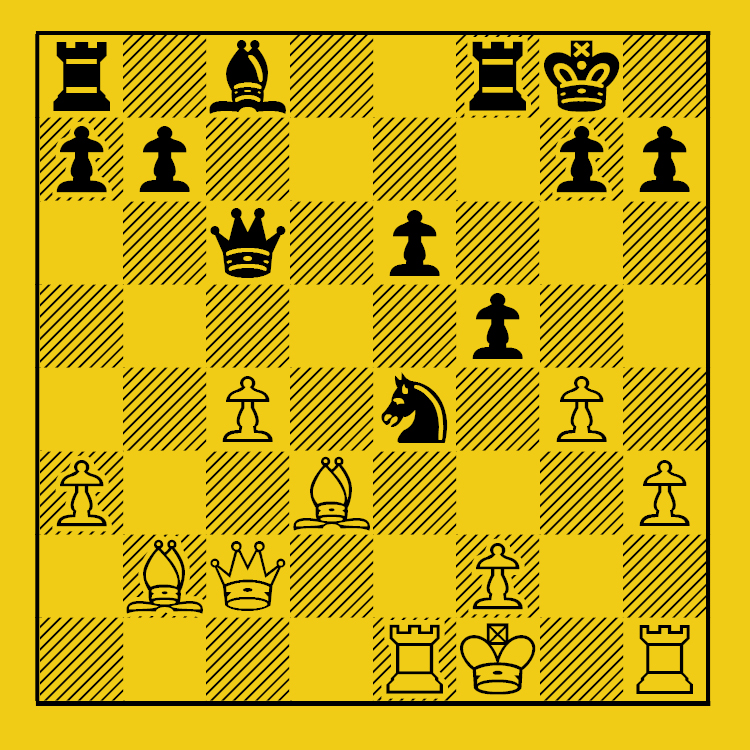
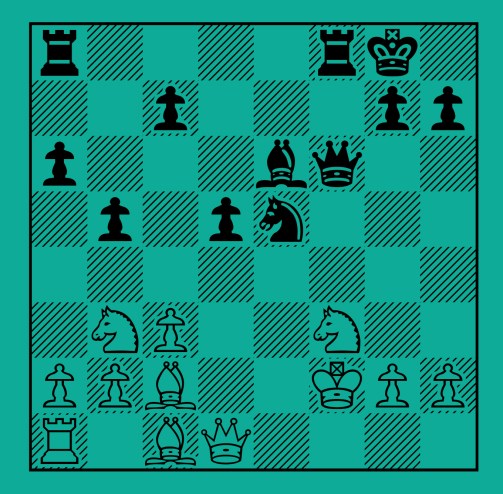
1.e4 e5 2.Nf3 Nc6 3.Bb5 a6 4.Ba4 Nf6 5.O-O Nxe4 6.d4 b5 7.Bb3 d5 8.dxe5 Be6 9.c3 Bc5 10.Nbd2 O-O 11.Bc2 Nxf2 12.Rxf2 f6 13.exf6 Qxf6 14.Nb3 Bxf2+ 15.Kxf2 Ne5
 
2020_06_11_B


16.Kg3!? (A brave king! The usual move is 16.Kg1.) 16…g5 17.Qd4 h5 18.Bxg5 h4+ 19.Qxh4 Qg7 20.Nbd4 Nxf3 21.gxf3 1-0


White also can experiment with: 14.Qf1.


Smilov-Botvinnik
USSR Ch.
Moscow, 1943
1.e4 e5 2.Nf3 Nc6 3.Bb5 a6 4.Ba4 Nf6 5.O-O Nxe4 6.d4 b5 7.Bb3 d5 8.dxe5 Be6 9.c3 Bc5 10.Nbd2 O-O 11.Bc2 Nxf2 12.Rxf2 f6 13.exf6 Qxf6 14.Qf1 Bg4 (14…g5 15.h3 h5 16.Nb3 Bxf2+ 17.Qxf2 g4 18.hxg4 hxg4 19.Qg3 +- ECO ; 14…Ne5 15.Nd4 Qh4 16.N2f3 Nxf3+ 17.Rxf3 Bg4 18.Rf2 Rae8 19.Bf4! +- Suetin.) 15.Kh1 Bxf2 16.Qxf2 Rae8 17.Qg3 Ne5 18.Bd1 Nd3 19.h3 Bh5 20.Bc2 Nf4 21.Ng1 c5 22.Ndf3 Ne2 23.Nxe2 Rxe2 24.Bd1 Re6 25.Bd2 h6 26.Kh2 Re4 27.Ng5 hxg5 28.Bxh5 Re5 29.Bf3 Qe7 30.a4 Kh7 31.axb5 axb5 32.Ra7 Qd6 33.Bg4 Rd8 34.Kh1 d4 35.cxd4 cxd4 36.Bf4 Re1+ 37.Qxe1 Qxf4 38.Rd7 Rxd7 39.Bxd7 d3 40.Bg4 d2 41.Qe2 b4 42.Qd3+ g6 43.Kg1 Kh6 44.b3 Kg7 45.Bf3 Qf7 46.Kf2 Qe6 47.Qe3 Qd6 48.Bd1 Qd5 49.g4 Kh7 50.Ke2 1-0


So Black almost has to play 13…Bxf2+ and come up with a plan after 14.Kxf2

 
He can try 14… fxe5!?


Edward Sergeant-George Thomas
Guildford, England, 1944
1.e4 e5 2.Nf3 Nc6 3.Bb5 a6 4.Ba4 Nf6 5.O-O Nxe4 6.d4 b5 7.Bb3 d5 8.dxe5 Be6 9.c3 Bc5 10.Nbd2 O-O 11.Bc2 Nxf2 12.Rxf2 f6 13.Nf1 Bxf2+ 14.Kxf2 fxe5!? 15.Kg1 e4! (The point of Black’s last move. More testing is needed for this line.) 16.Bg5 Qd7 17.Nd4 Bg4 18.Qd2 Ne5 19.Ne3 c6 20.Nxg4 Qxg4 21.Bd1 Qd7 22.Be2 Rf7 23.Bf4 Nc4 24.Bxc4 bxc4 25.Be3 Raf8 26.h3 h6 27.Ne2 Rf6 28.Kh2 g5 29.Ng3 Qd6 30.Bd4 Rf5 31.Qe3 R8f7 32.Kh1 Rf3 33.gxf3 Qxg3 34.fxe4 Rf3 35.Qg1 Qh4 36.Be5 Rxh3+ 37.Bh2 g4 38.Re1 Rxh2+ 0-1


But more common is 14…Qxf6.

 
White can go totally wrong after 15.Kg1

 
GM Ljubojevic-GM Yusupov
Interpolis
Tilburg, Sept. 27 1987
1.e4 e5 2.Nf3 Nc6 3.Bb5 a6 4.Ba4 Nf6 5.O-O Nxe4 6.d4 b5 7.Bb3 d5 8.dxe5 Be6 9.c3 Bc5 10.Nbd2 O-O 11.Bc2 Nxf2 12.Rxf2 f6 13.exf6 Bxf2+ 14.Kxf2 Qxf6 15.Kg1 Rae8 16.Qf1 Bf5 17.Bxf5 Qxf5 18.b3 d4 19.cxd4 Nxd4 20.Nxd4 Qc5 21.Bb2 Rxf1+ 22.Rxf1 Re2 23.Rf2 Rxf2 24.Kxf2 Qd5 25.Ke3 Qe5+ 0-1


GM E. Matsuura-FM Guilherme De Borba
Floripa Open
Florianopolis, Brazil, Jan. 25 2020
1.e4 e5 2.Nf3 Nc6 3.Bb5 a6 4.Ba4 Nf6 5.O-O Nxe4 6.d4 b5 7.Bb3 d5 8.dxe5 Be6 9.Nbd2 Bc5 10.c3 O-O 11.Bc2 Nxf2 12.Rxf2 f6 13.exf6 Bxf2+ 14.Kxf2 Qxf6 15.Kg1 Rae8 16.Qf1 Bf5 17.Bxf5 Qxf5 18.Nb3 Ne5 19.Nbd4 Nxf3+ 20.Nxf3 Qc2 21.h3 Re2 22.b3 Qxc3 23.Qxe2 Qxa1 24.Qe6+ Kh8 25.Qc6 Qxa2 26.Qxd5 Qb1 27.Qc5 Re8 28.Qc6 Rf8 1/2-1/2


But 15.Kf1 Ne5 keeps the game going. It is doubled-edged and White just has to find the correct 16th move. He didn’t in this game.


Lee-Hanley
La Palma C.C., 1982
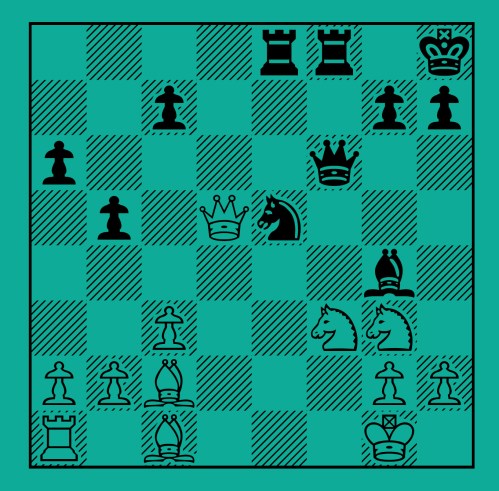
1.e4 e5 2.Nf3 Nc6 3.Bb5 a6 4.Ba4 Nf6 5.O-O Nxe4 6.d4 b5 7.Bb3 d5 8.dxe5 Be6 9.c3 Bc5 10.Nbd2 O-O 11.Bc2 Nxf2 12.Rxf2 f6 13.exf6 Bxf2+ 14.Kxf2 Qxf6 15.Nf1 Ne5 16.Ng3?! (Too slow.) 16…Rae8! (Taking advantage of the extra tempo.) 17.Kg1 Bg4 18.Qxd5+?! (It is not a good idea to open lines when your opponent is the one doing the attacking, even if it is a check.) 18…Kh8
2020_06_11_C

19.Be4 (Not 19.Qe4? Nxf3+! -+) 19…Rd8 20.Qc5 Rd1+ 21.Kf2 Bxf3 22.gxf3 Nd3+! 0-1


16.Kg1 is flashy and may not be the best for White. But it does lead to lots of excitement and can be a real crowd pleaser.


IM Nelson Mariano-IM Sophia Polgar
World Jr. Ch.
Matinhos, Oct. 1994
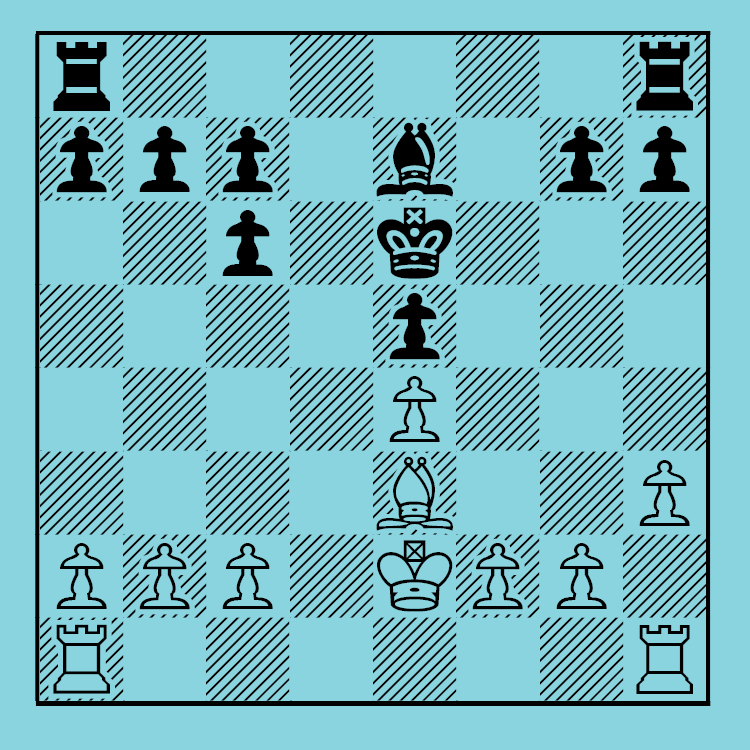
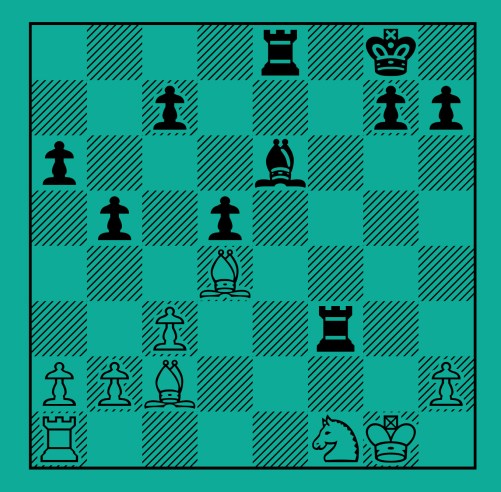
1.e4 e5 2.Nf3 Nc6 3.Bb5 a6 4.Ba4 Nf6 5.O-O Nxe4 6.d4 b5 7.Bb3 d5 8.dxe5 Be6 9.c3 Bc5 10.Bc2 O-O 11.Nbd2 Nxf2 12.Rxf2 f6 13.exf6 Bxf2+ 14.Kxf2 Qxf6 15.Kg1 Rae8 16.Nf1 Ne5 17.Be3 Nxf3+ 18.Qxf3 Qxf3 19.gxf3 Rxf3 20.Bd4
 
2020_06_11_D


20…Bh3 21.Ng3 Re6 22.Rd1 h5 23.Bb3 c6 24.Nxh5 Bg4 25.Nxg7 Rg6 26.Kg2 Rf7 27.Re1 c5 28.Be5 c4 29.Bc2 Bf5+ 30.Bg3 Bxc2 31.Ne8 Be4+ 32.Kg1 Rf3 33.a3 Kf8 34.Nc7 Rf7 35.Rf1 Rxf1+ 36.Kxf1 Ke7 0-1


Milan Babula (2323)-Jesper Skjoldborg (2274)
Czech Republic Open
Marianske Lazne, Jan. 29 2004
1.e4 e5 2.Nf3 Nc6 3.Bb5 a6 4.Ba4 Nf6 5.O-O Nxe4 6.d4 b5 7.Bb3 d5 8.dxe5 Be6 9.c3 Bc5 10.Nbd2 O-O 11.Bc2 Nxf2 12.Rxf2 f6 13.exf6 Bxf2+ 14.Kxf2 Qxf6 15.Nf1 Ne5 16.Kg1 Rae8 17.Be3 Nxf3+ 18.Qxf3 Qxf3 19.gxf3 Rxf3 20.Bd4 Bh3 21.Ng3 Re6 22.Rd1 h5 23.Bd3 h4 24.Nh1 c5 25.Bxc5 Re5 26.Bd6 Rg5+ 27.Ng3 hxg3 28.hxg3 Rf6 29.Bb8 Bf5 30.Bf4 Rgg6 31.Be2 Bg4 32.Kf2 Bxe2 33.Kxe2 Rf5 34.Kd3 Rc6 35.Re1 Kf7 36.Rh1 g5 37.Bb8 Rf2 38.g4 Rxb2 39.Be5 Rxa2 40.Rh7+ Kg6 41.Rg7+ Kh6 42.Rg8 Ra3 43.Rh8+ Kg6 44.Rg8+ Kf7 45.Rg7+ Ke6 46.Rg6+ Kxe5 47.Rxc6 b4 48.Rg6 Kf4 49.Kd4 bxc3 50.Kxd5 Kxg4 0-1


16.Be3 is better. White’s defences are improved with a flexible bishop.

 
Balashov-Tukmakov
USSR Ch., 1977
[ECO]
1.e4 e5 2.Nf3 Nc6 3.Bb5 a6 4.Ba4 Nf6 5.O-O Nxe4 6.d4 b5 7.Bb3 d5 8.dxe5 Be6 9.c3 Bc5 10.Nbd2 O-O 11.Bc2 Nxf2 12.Rxf2 f6 13.exf6 Bxf2+ 14.Kxf2 Qxf6 15.Nf1 Ne5 16.Be3 Rae8 17.Bd4 Bg4 18.N1d2 Qf4 19.Kg1 Nxf3+ 20.Nxf3 c6 21.Bd3 Bxf3 22.Qxf3 Qxf3 23.gxf3 Rxf3 24.Rd1 a5 25.Kg2 Rf4 26.Kg3 +/-


Kupreichik-Shereshevski
Sokolsky Memorial
Minsk, 1978
[ECO?]
1.e4 e5 2.Nf3 Nc6 3.Bb5 a6 4.Ba4 Nf6 5.O-O Nxe4 6.d4 b5 7.Bb3 d5 8.dxe5 Be6 9.c3 Bc5 10.Nbd2 O-O 11.Bc2 Nxf2 12.Rxf2 f6 13.exf6 Bxf2+ 14.Kxf2 Qxf6 15.Nf1 Ne5 16.Be3 Rae8 17.Bc5 Nxf3 18.gxf3 Rf7 19.Kg2 h5 20.Qd3 Qg5+ 21.Kh1 Bf5 22.Qxd5 c6 23.Qxc6 Bd7 24.Qg6 Qxc5 25.Bb3 +/- Ree7 26.Ng3 Qe3 27.Qxh5 Be6 28.Nf5 Rxf5 29.Qxf5 Bxb3 30.axb3 Qe2 31.Qd5+ Kh7 32.Qh5+ Kg8 33.Qd5+ Kh7 34.Rg1 Re5 35.Qf7 1-0


Kupreichik-Stoica
Kirovakan, Armenia, 1978
[ECO]
1.e4 e5 2.Nf3 Nc6 3.Bb5 a6 4.Ba4 Nf6 5.O-O Nxe4 6.d4 b5 7.Bb3 d5 8.dxe5 Be6 9.c3 Bc5 10.Nbd2 O-O 11.Bc2 Nxf2 12.Rxf2 f6 13.exf6 Bxf2+ 14.Kxf2 Qxf6 15.Nf1 Ne5 16.Be3 Qh4+ (16…Bg4? 17.Qxd5+ Kh8 18.Qe4 g6 19.Bd4 +-) 17.Kg1 Nxf3+ 18.gxf3 Rf6 19.Bd4 Qg5+ 20.Kh1 Bh3 21.Ne3 Rf7 22.Qg1 +/- Qf4 23.Qg3 Qxg3 24.hxg3 Rxf3 25.Bb3 Be6 26.Kg2 Rf7 27.Nxd5 Rd8 28.Nf4 Bxb3 29.axb3 c5 30.Ne6 Re8 31.Nxc5 Re2+ 32.Kh3 h5 33.Rxa6 Rf1 34.Kh4 Rf5 35.g4 hxg4 36.Ra7 Rf7 37.Rb7 Rxb2 38.Rxb5 Rh2+ 39.Kg3 Rh3+ 40.Kxg4 Rhf3 41.Ne6 1-0


GM Vassily Ivanchuk-GM Artur Yusupov
Linares, Feb. 21 1990
[Inside Chess?]
1.e4 e5 2.Nf3 Nc6 3.Bb5 a6 4.Ba4 Nf6 5.O-O Nxe4 6.d4 b5 7.Bb3 d5 8.dxe5 Be6 9.c3 Bc5 10.Nbd2 O-O 11.Bc2 Nxf2 12.Rxf2 f6 13.exf6 Bxf2+ 14.Kxf2 Qxf6 15.Nf1 Ne5 16.Be3 Rae8 17.Bc5 Nxf3 18.gxf3 Rf7 19.Ng3 Bg4 20.Kg1 Qxf3 21.Qxf3 Bxf3? 22.Rf1! +/- Rf6 23.b4! c6 24.Bf5? (>24.Bd4 Rf4 25.Bf5 with the idea of Bd7 +-) 24…Be2 25.Re1 Bh5 26.Rxe8+ Bxe8 27.Be7 Rh6 28.Bg5 Rd6 29.Be7 Rh6 30.Bc8 Bf7 31.Bc5 Be6 32.Bxa6 Bd7 33.Bb7 Kf7 34.Ne2 Ke6 35.Nd4+ Ke5 36.Nb3 Ke4 37.Bf2 Bh3 38.Nd4 Rg6+ 39.Bg3 Rf6 40.Bf2 Rg6+ 41.Bg3 Rf6 42.Bf2 Rg6+ 1/2-1/2


FM C. Olivares Olivares-FM W. Cuevas Araya (2187)
Chile Ch.
Santiago, Feb. 20 2019
1.e4 e5 2.Nf3 Nc6 3.Bb5 a6 4.Ba4 Nf6 5.O-O Nxe4 6.d4 b5 7.Bb3 d5 8.dxe5 Be6 9.c3 Bc5 10.Nbd2 O-O 11.Bc2 Nxf2 12.Rxf2 f6 13.exf6 Bxf2+ 14.Kxf2 Qxf6 15.Nf1 Ne5 16.Be3 Rae8 17.Bc5 Qh4+ 18.Kg1 Rxf3 19.gxf3 Qh5 20.Nd2 Bh3 21.Kh1 Nc4 22.Bb3 Nxd2 23.Qxd2 Qxf3+ 24.Kg1 Qg4+ 25.Kh1 Qe4+ 26.Kg1 Qg4+ 27.Kh1 Qe4+ 28.Kg1 Qg6+ 29.Kh1 Qe4+ 30.Kg1 Re5 31.Be3 Qg4+ 32.Kh1 Qf3+ 33.Kg1 Qg4+ 34.Kh1 Qe4+ 35.Kg1 Qg6+ 36.Kh1 Qe4+ 37.Kg1 Qg4+ 38.Kh1 c6 1-0

 
And that’s where we stand. More analysis is needed!

The Lousy Lolli

Some gambits are good for a surprise value only. Or they are thought to be simple enough to defend; no prior research is necessary to find a win.


But what if you really had to defend such a gambit? You never seen it before, you never analyzed it, but there it is, over the board and your clock has been started. You have a feeling that you should be able to beat it. But your clock is still ticking and you know you just have win this game, if for nothing except one’s own pride.


The Lolli Gambit is one of those gambits. You just know there is a defence. But what is the strategy? What are the moves?


~~~~~~~~~~~~~~~~~~~

 
I call it the Lousy Lolli. I originally called it that as it seems to be lousy for White. But if Black doesn’t find the right moves, then it can easily become very lousy for him.

 
According to Wikipeida, Giambattista Lolli (1698 – 4 June 1769) was an Italian chess player and one of the most important chess theoreticians of his time.

 
Let’s first define the gambit:


1.e4 e5 2.f4 exf4 3.Nf3 g5 4.Bc4 g4 5.Bxf7+. White has sacrificed a piece in a position that resembles the Muzio. But he sacrifices his bishop too early.

 
Obviously Black can  decline the gambit. But he has lost a pawn, cannot castle, and his king is misplaced. White has at least a “+/-”.


Ioan Panait (1680)-Silvia Poenariu
Deva Team Tournament, 1999
1.e4 e5 2.f4 exf4 3.Nf3 g5 4.Bc4 g4 5.Bxf7+ Ke7 6.Bxg8 Rxg8 7.O-O gxf3 8.Qxf3 Bh6 9.Nc3 c6 10.d4 Qf8 11.e5 d5 12.exd6+ Kxd6 13.Ne4+ Kc7 14.Qh5 Qg7 15.Rf2 Bg4 16.Qxh6 Qxh6 17.Bxf4+ Qxf4 18.Rxf4 Be6 19.Nf6 Rh8 20.Re1 Bxa2? (Black has to try 20…Bc8 or 20…Bd7) 21.b3! +/- h6 22.Ra1 Bxb3 23.cxb3 Na6 24.Ng4 h5 25.Rf7+ Kb6 26.Ne5 Rhd8 1-0


So Black is forced to take the offered bishop. Now the natural 6.Ne5+, causing further disruption of Black’s defensive plans, is almost automatically played. White played 6.O-O in the following game, winning mainly, and possibly only, because of Black’s greed.

 
William Wallace Young-Frank Marshall
15 Board Simul
Bordentown, NJ, Apr. 28 1913
1.e4 e5 2.f4 exf4 3.Nf3 g5 4.Bc4 g4 5.Bxf7+ Kxf7 6.O-O gxf3? 7.Qxf3 Qf6 8.d4 Qxd4+ 9.Be3 Qf6 10.Nc3 Ne7 11.Bxf4 d6 12.Qh5+ Kg7 13.Bh6+ 1-0

 
So let’s get back to 6.Ne5+, White’s best continuation.

 
Greco-N.N.
Italy, 1620?
1.e4 e5 2.f4 exf4 3.Nf3 g5 4.Bc4 g4 5.Bxf7+ Kxf7 6.Ne5+ Ke6 7.Qxg4+ Kxe5 8.Qf5+ Kd6 9.d4 Bg7 10.Bxf4+ Ke7 11.Bg5+ Bf6 12.e5 Bxg5 13.Qxg5+ Ke8 14.Qh5+ Ke7 15.O-O Qe8 16.Qg5+ Ke6 17.Rf6+ Nxf6 18.Qxf6+ Kd5 19.Nc3+ Kxd4 20.Qf4+ Kc5 21.b4+ Kc6 22.Qc4+ Kb6 23.Na4mate 1-0


George B. Spencer-N.N.
Minneapolis Chess Club, 1893
1.e4 e5 2.f4 exf4 3.Nf3 g5 4.Bc4 g4 5.Bxf7+ Kxf7 6.Ne5+ Ke6 7.Qxg4+ Kxe5 8.d4+ Kxd4 9.b4 Bxb4+ 10.c3+ Bxc3+ 11.Nxc3 Kxc3
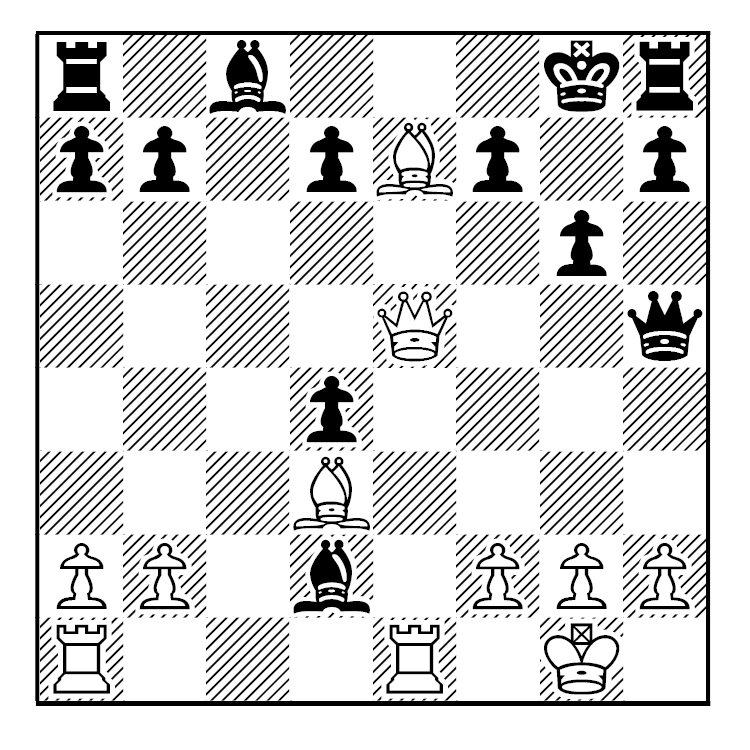
2020_06_04_A

12.Bb2+! Kxb2 (If Black was to play 12…Kd3!?, then White would castle queenside to continue the attack.) 13.Qe2+ Kxa1 14.O-Omate 1-0


By now, you have probably figured out that 6…Ke6? puts the Black in the way of further harm. The alternate move, 6…Ke8 makes White’s mating efforts much hard as Black can now put his pieces in front of his king, instead of behind him where they become mere spectators.


Let’s look at a few games with the idea of seeing additional opening themes and tactical possibilities. Black can win if he can sidestep the complications. And if he can’t …


Murcey De Villette – Maubuisson
Paris, 1680
1.e4 e5 2.f4 exf4 3.Nf3 g5 4.Bc4 g4 5.Bxf7+ Kxf7 6.Ne5+ Ke8 7.Qxg4 (The most common continuation. White needs to continue his attack and maybe win some material back. This move does both.) 7…Nf6 8.Qxf4 d6 9.Nc4 Qe7 10.Nc3 Nc6 11.O-O Bg7 12.d3 Rf8 13.Qg5 Be6 14.Ne3 Kd7 15.Bd2

2020_06_04_B

(Black needs to either tuck his king in the queenside with 15…Rae8 and 16…Kc8 or try to simplify the board. He can’t do the first as he doesn’t have enough tempi. But his alternate plan is possible and probably even good. 15…Ng4! is his best move.) 15…Rae8?! 16.Ncd5 Bxd5 17.exd5 Ne5 18.Nf5 Qf7 19.Nxg7 Re7 20.Qf5+ Kd8 21.Ne6+ Ke8 22.Nxf8 Kxf8 23.Qxf6 1-0


Staunton-N.N.
London, 1846
1.e4 e5 2.f4 exf4 3.Nf3 g5 4.Bc4 g4 5.Bxf7+ Kxf7 6.Ne5+ Ke8 7.Qxg4 Nf6 8.Qxf4 d6 9.Nf3 Nc6 10.d4 Qe7 11.O-O Bd7 12.e5 dxe5 13.dxe5 Nd5 14.Qe4 Be6 15.Bg5 Qc5+ 16.Kh1 Ncb4 17.c4 Nb6 18.b3 Be7 19.Nd4 Bg8 20.Bxe7 Qxe7 21.Nf5 Qd7 22.Qh4 Rd8 23.Qf6! (with the idea of Ng7+) 1-0


von Heydebrand und der Lasa-Nielsen Govert
Copenhagen, Feb. 19 1869
1.e4 e5 2.f4 exf4 3.Nf3 g5 4.Bc4 g4 5.Bxf7+ Kxf7 6.Ne5+ Ke8 7.Qxg4 Nf6 8.Qxf4 d6 9.O-O Bg7 10.Nf3 Nc6 11.d4 Bg4 12.Be3 Ne7 13.Nc3 Qd7 14.e5 Nfd5 15.Qg5 Nxe3 16.Qxe3 d5 17.Ng5 Be6 18.Qf3 h5 19.Nb5 Bf5 20.c4 Bh6 21.e6! Qc6 22.Nf7 Rh7 23.Ne5 Qb6 24.Nd7 1-0


Blackburne-N.N.
Simul
Canterbury, England, June 1903
[Based on the tactical ending, there is a good chance this game was played blindfolded. But I am unable to confirm this.]
1.e4 e5 2.f4 exf4 3.Nf3 g5 4.Bc4 g4 5.Bxf7+ Kxf7 6.Ne5+ Ke8 7.Qxg4 Qf6 (The less aggressive, but stronger, move is 7…Nf6. Now White has a growing advantage.) 8.d4 Bh6 9.O-O Qg7 10.Qh5+! +- Ke7 11.Bxf4 Bxf4 12.Rxf4 Nf6 13.Qh4 d6 14.Nc3 c6 15.Raf1 Rf8 16.Nf7 Rxf7 17.e5 dxe5 18.dxe5 Nd7 19.exf6+ Nxf6

2020_06_04_C

20.Ne4! Be6 21.Nxf6 Kf8 22.Nxh7+ Kg8 23.Rxf7 Bxf7 24.Nf6+ Kf8 25.Qb4+ 1-0


S. Shaw-P. Sokol
corres., 1943
1.e4 e5 2.f4 exf4 3.Nf3 g5 4.Bc4 g4 5.Bxf7+ Kxf7 6.Ne5+ Ke8 7.Qxg4 Nf6 8.Qxf4 d6 9.Nc4 Rg8 10.O-O Be7 11.d4 Rg4 12.Qh6?! (Perhaps a little too aggressive. Better is 12.Qe2, with about an equal game.) 12…Rg6 13.Qh4 Qd7 14.Ne3 Qh3 15.Qf4 Qh5 16.Nc3 Nc6 17.Ncd5 Nxd4 18.Qf2

2020_06_04_D

18…Ne2+ 0-1 (White rightfully resigns due to 19.Kh1 Qxh2+!!)


N. Lelen-K. Marzec
US Open
Los Angeles, 1991
1.e4 e5 2.f4 exf4 3.Nf3 g5 4.Bc4 g4 5.Bxf7+ Kxf7 6.Ne5+ Ke8 7.Qxg4 Nf6 8.Qxf4 d6 9.Nf3 Qe7 10.Nc3 Nc6 11.O-O Rg8 12.Nd5 Nxd5 13.exd5 Rg4 14.Qxg4 Bxg4 15.Re1 Ne5 16.Nxe5 dxe5 17.d4 Kd7 18.dxe5 Qc5+ 19.Be3 Qxd5 20.h3 Bc5 21.hxg4 Bxe3+ 22.Rxe3 Qc5 23.Re1 Re8 24.Kh2 Qxc2 25.e6+ Kc8 26.R1e2 Qg6 27.e7 Qxg4 28.Rf3 Rxe7 29.Rxe7 Qh4+ 0-1


Firas Al Hantouli (2200)-Khaled
Asia Ch.
Dubai, 1996
1.e4 e5 2.f4 exf4 3.Nf3 g5 4.Bc4 g4 5.Bxf7+ Kxf7 6.Ne5+ Ke8 7.Qxg4 Nf6 8.Qxf4 d6 9.Nf3 Qe7 10.Nc3 Nbd7 11.O-O Kd8 12.d4 b6 13.e5 Ne8 14.Qe4 Rb8 15.Bg5 Ndf6 16.exf6 Qxe4 17.f7+ Qe7 18.Bxe7+ Bxe7 19.Nd5 c6 20.Nxe7 Kxe7 21.Rae1+ Kd8 22.Ng5 Rf8 23.fxe8=Q+ Rxe8 24.Rxe8+ Kxe8 (and 25.Nxh7) 1-0


Juerg Gruber-Ioan Avram
Pizol Open, 1997
1.e4 e5 2.f4 exf4 3.Nf3 g5 4.Bc4 g4 5.Bxf7+ Kxf7 6.Ne5+ Ke8 7.Qxg4 Nf6 8.Qxf4 d6 9.Nf3 Bg7 10.O-O Ng4 11.h3 Rf8 12.Qg3 Be5 13.Nxe5 Rxf1+ 14.Kxf1 Nxe5 15.Qg8+ Kd7 16.Qxh7+ Kc6 17.Qg7 b6 18.d4 Ba6+ 19.Kg1 Ned7 20.Qf7 Nf6 21.Bg5 Nbd7 22.Nc3 Qe8 23.Qb3 Rc8 24.Re1 Qg8 25.Qa4+ Kb7 26.Bxf6 Nxf6 27.b4 Qc4 28.Ne2 Nxe4 29.c3 Nxc3 30.Nxc3 Qxc3 31.Qd1 Qxb4 32.Qf3+ Kb8 33.Qd5 0-1


Nikolai Nasikan-Vitaliy Pasemko
Stepichev Memorial
Kiev, Dec. 28 2004
1.e4 e5 2.f4 exf4 3.Nf3 g5 4.Bc4 g4 5.Bxf7+ Kxf7 6.Ne5+ Ke8 7.Qxg4 Nf6 8.Qxf4 d6 9.Nf3 Bg7 10.O-O Kf8 11.d4 Kg8 12.e5 dxe5 13.dxe5 Nd5 14.Qg3 h6 15.c4 Nb6 16.b3 Nc6 17.Bb2 Be6 18.Nc3 Bxc4 19.Rad1 Qe7 20.bxc4 Nxc4 21.Nd5 Qc5+ 22.Kh1 Nxb2 23.Nf6+ Kf7 24.Nd7 Qe7 25.Nh4+ Ke8 26.Qg6+ Kd8 27.Nb6+ Nxd1 28.Rxd1+ Qd6 29.Rxd6+ cxd6 30.Qxd6+ Ke8 31.Nxa8 Bxe5 32.Nc7+ Kf7 33.Qe6+ Kg7 34.Nf5+ Kf8 35.Qe8mate 1-0


Fahad A. Al Turky (1903)-Abdulrahman A. Masrahi (1863)
World Rapid Ch.
St. Petersburg, Dec. 26 2018
[Black defends accurately, picks up more material, and the concludes with a fine sacrifice. A Black player’s dream!]
1.e4 e5 2.f4 exf4 3.Nf3 g5 4.Bc4 g4 5.Bxf7+ Kxf7 6.Ne5+ Ke8 7.Qxg4 Nf6 8.Qxf4 d6 9.Nf3 Qe7 10.O-O Bg7 11.Nc3 Rf8! (The right ratio of defence and attacking possibilities.) 12.Qh4 Bg4 13.e5 Bxf3 14.Rxf3 dxe5 15.d3 Nbd7 16.Bg5 Qc5+ 17.Be3 Qd6 18.Raf1 c6 19.Bg5 Qd4+ 20.Qxd4 exd4 21.Re1+ Kf7 22.Ne4 Kg8! (If the king can’t find refuge on the queenside, then he should go to the kingside!) 23.Nd6 Nd5 24.Rg3 Kh8 25.a3 Be5 26.Rxe5 Nxe5 27.b3 Nf7 28.Nxb7 Nxg5 29.Rxg5 Rae8 30.h3 Rg8 31.Rf5

2020_06_04_E

31…Rxg2+! 32.Kh1 (32.Kxg2 Ne3+) 32…Rxc2 0-1

Happy Birthday Andy!!

Today is Andy Soltis’ birthday!


Born on May 28, 1947 in Hazleton, Pennsylvania, his contributions to chess has been enormous.


For those of you might have been hiding under a rock since 1980, he’s a prolific author, frequent contributor to Chess Life, and even made into the world’s elite of chess, earning his IM title in 1974 followed by a GM title in 1980.

Let’s go over some of his games first.


IM Andrew Soltis-GM Miguel A Quinteros
Cleveland, May 5 1975
1.e4 c5 2.Nf3 d6 3.d4 cxd4 4.Nxd4 Nf6 5.Nc3 a6 6.a4 e6 7.Be2 Be7 8.f4 Qc7 9.O-O Nc6 10.Be3
(Both White and Black have solid positions. But White has more space which translates into greater coordination, mobility and freedom for his pieces. That is more than enough for White to have the advantage.) 10…Bd7 11.Qe1 O-O 12.Qg3 Rab8 13.Kh1 Kh8 14.Bf3 g6 15.Nxc6 bxc6 16.e5 Ne8 17.Ne4 d5 18.Ng5 Rxb2 19.Qh4 Bxg5 20.Qxg5 Ng7 21.Bc5 Re8 22.Be7 Kg8 23.Bf6 Reb8 24.Bg4 Ne8 25.Be7 Qc8 26.Ra3 Rb1 27.Bd1 a5 28.Qh6 Ng7 29.Rh3! 1-0


Edward Westing-GM Andrew Soltis
Bermuda, Feb. 1 2002
1.e4 g6 2.d4 Bg7 3.Nf3 c5 4.c3 cxd4 5.cxd4 d5 6.e5 Nc6 7.h3

[White has also tried :

7.Be2 Nh6 8.O-O O-O 9.Nc3 Bg4 10.h3 Bxf3 11.Bxf3 e6 12.Bg4 Qb6 13.Be3 Qxb2 14.Na4 Qa3 15.Nc5 b6 16.Nd7 Rfd8 17.Nf6+ Bxf6 18.exf6 Nf5 19.Bxf5 exf5 20.g4 Qd6 21.Qd2 fxg4 22.hxg4 Qxf6 23.Bg5 Qf3 24.Bxd8 Qxg4+ 25.Kh2 Rxd8 0-1 [Svoboda-Dobrovolsky (2387), Monravia Team Ch., 2000]

and

7.Nbd2 Nc6 8.h3 Bf5 9.Bb5 Qb6 10.Qa4 Bd7 11.Bxc6 Bxc6 12.Qa3 Bb5 13.Nb3 Qc6 14.Qc5 Qd7 15.Bd2 b6 16.Qc2 Rc8 17.Qd1 f6 18.Rc1 Kf7 19.Rxc8 Qxc8 20.Qc1 Qf5 21.Kd1 Nh6 22.Re1 Rc8 23.Bc3 Kg8 24.Qe3 Nf7 25.e6 Nd8 26.Kd2 Rc6 27.g4 Qxe6 28.Qf4 Qd7 29.h4 Re6 30.Re3 Rxe3 31.fxe3 Ne6 32.Qg3 Qc7 33.Qg2 Qc4 34.Nc1 Nd8 35.b3 Qc6 36.a4 Ba6 37.Na2 Bc8 38.Nb4 Qd6 39.Nd3 a5 40.g5 Bf5 41.Nfe1 Nf7 42.Nf4 fxg5 43.hxg5 e6 0-1 [Sequera (2378)-Macieja (2615), Ann Open, Curacao, Nov. 2 2002]


7…Nh6 8.Bb5 O-O 9.O-O Nf5 10.Nc3 Bd7 11.Nxd5 Nxe5! 12.dxe5 [Or 12.Bxd7 Nxf3+ 13.Qxf3 Qxd7 14.Be3 Rfd8 15.Nc3 Nxd4 16.Bxd4 Bxd4 17.Rad1 Qc6 18.Qxc6 bxc6 19.Rfe1 e5 20.Rc1 (-1.39 Stockfish)] 12…dxe5 Bxb5 13.Re1 Bc6 14.Nb4 Qxd1 15.Rxd1 Bxf3 16.gxf3 Bxe5 -+ 17.Rd5 Bd6 18.Bd2 Rfd8 19.Bc3 a5 20.Rxd6 Rxd6 21.Nc2 b6 22.Kg2 Rad8 23.Ne3 Nxe3+ 24.fxe3 Rd1 25.Rxd1 Rxd1 26.Kf2 f6 27.f4 Kf7 28.Kf3 Ke6 29.Bd4 b5 30.a3 Rf1+ 31.Kg2 Rb1 32.Kf3 Kd5 33.Bc3 a4! 0-1 (White can’t stop the Black king from entering on the queenside.)


Soltis didn’t confine himself to merely playing the game. An important variation in the Sicilian Dragon was named after him.


Let’s review the opening moves.

1.e4 c5 2.Nf3 d6 3.d4 cxd4 4.Nxd4 Nf6 5.Nc3 g6 (The main line in the Dragon. White usually castles queenside and attempts to storm Black’s castled kingside with his pawns and follow up with pieces. Sacrifices are common threats for both sides.) 6.Be3 Bg7 7.f3 O-O 8.Qd2 Nc6 9.Bc4 Bd7 10.O-O-O Rc8 11.Bb3 Ne5 12.h4 (White has played this move to maintain and continue his threats of opening Black’s kingside. Experience has shown that Black usually ends up on the losing side if he allows White’s h-pawn to continue his advancement. So…) 12…h5!?


(Now White’s h-pawn is stopped. Does this mean Black is going to win? Not necessarily. Does it mean White is going to win? Not necessarily either. But it does mean White has to look for other way to infiltrate the kingside.)


Here is the inauguration of this variation.

Barczay-Soltis
Reggio Emilia
Italy, Jan. 1 1971
1.e4 c5 2.Nf3 d6 3.Nc3 Nc6 4.d4 cxd4 5.Nxd4 g6 6.Be3 Bg7 7.Qd2 Nf6 8.f3 O-O 9.Bc4 Bd7 10.Bb3 Rc8 11.h4 h5 12.O-O-O Ne5 13.Bg5 Nh7 14.Bh6 Bxh6 15.Qxh6 Rxc3 16.bxc3 Qa5 17.Kb1 Qxc3 18.Qd2 Qc5 19.Ne2 a5 20.Qd4 Qc7 21.Nc3 Nf6 22.a4 Rc8 23.Kb2 Be6 24.Rhe1 Kg7 25.f4 Nc6 26.Qd2 Nb4 27.Re3 Qb6 28.Qd4 Rc5 29.e5 dxe5 30.fxe5 Ng4 0-1


A good way to start off the New Year!


Here are two other games worthy of study.

S. Hwemp (2280)-K.D. Mueller (2445)
corres.
ICCF, 6/7 Cup, ½ Finals, 1990/1
1.e4 c5 2.Nf3 d6 3.d4 cxd4 4.Nxd4 Nf6 5.Nc3 g6 6.Be3 Bg7 7.f3 Nc6 8.Qd2 O-O 9.Bc4 Bd7 10.O-O-O Rc8 11.Bb3 Ne5 12.h4 h5 13.Kb1 Nc4 14.Bxc4 Rxc4 15.Nde2 b5 16.Bh6 b4 17.Bxg7 Kxg7 18.Nd5 Nxd5 19.exd5 Qa5 20.b3 Rc5 21.Qd4+ Kh7 22.g4


22…Rxc2! 23.Nc1? (23.Kxc2 Qxa2+ 24.Kd3 Bb5+ 25.Ke4 Qc2+ 26.Kf4 e5+ 27.dxe6 fxe6+) 23…Rfc8 24.Rhe1? Qa3 0-1


IM Alexander Khalifman (2530)-Stanislav Savchenko (2480)
USSR Ch.
Simferopol, Ukraine, 1988
[Don’t fret about the titles. Both players earned their GM titles a few years later; Khalifman in 1990 and Savchenko in 1993.]
1.e4 c5 2.Nf3 d6 3.d4 cxd4 4.Nxd4 Nf6 5.Nc3 g6 6.Be3 Bg7 7.f3 Nc6 8.Qd2 O-O 9.Bc4 Bd7 10.h4 Ne5 11.Bb3 h5 12.O-O-O Rc8 13.Bh6 Bxh6 14.Qxh6 Rxc3 15.bxc3 Qc7 16.Kb1 Rc8 17.g4 a5 18.gxh5 a4 19.Bd5 Nxd5 20.exd5 Qxc3 21.hxg6 fxg6 22.Rhg1 Bf5 23.Nxf5 Qxc2+


(A situation in which neither Black nor White can win. But they both can lose. A draw is best for both players.) 1/2-1/2


GM Soltis also promoted another, lesser-known, variation, in the Sicilian. Entitled the “Chameleon Sicilian” it runs as:


1.e4 c5 2.Ne2!?


The point being it is impossible for Black to know what White is attempting to do. White can play the Closed Sicilian with 3.d3, 4.g3 and 5.Bg2. Or he can open the game up with: .d4 cxd4 .Nxd4 at any time. It’s especially troublesome for Dragon addicts.


~~~~~~~~~~~~~~~~~~~~~~~


Andy Soltis has written a weekly chess column for the New York Post since 1972 and a monthly column (“Chess to Enjoy”) for Chess Life since 1979.


In addition to his weekly and monthly columns, he has written several books including; The Best Chess Games of Boris Spassky (1973), Pawn Structure Chess (1976), Chess to Enjoy (1978), Karl Marx Plays Chess : And Other Reports on the World’s Oldest Game (1991), Soviet Chess 1917–1991 (1999), Bobby Fischer Rediscovered (2003), and many others.


His books are a mixture of games, analysis, and fresh observations on the opening and other aspects of play. His column, “Chess to Enjoy”, covers historical viewpoints, human interest stories, computer analysis (and sometimes their failings), and literary perspectives. He is known to use humor to illustrate important points.


For his chess writings, he was named “Chess Journalist of the Year” in 1988 and 2002 by the Chess Journalists of America.


Happy Birthday Andy Soltis!!

Secret Games of Botvinnik vs. Averbakh

During his playing career Botvinnik battled played a number of players who were of GM strength in secret matches. They were all played in the USSR, and were meant to prepare him for Olympiads, important tournaments, and matches with Western (i.e., non-Warsaw Pact) players.

 
They were played in secret so Botvinnik could experiment with different openings, and of course to keep any loses away from prying Western eyes.

 
His most common match player during the 1950s was GM Averbakh.


As he put it, “As a sparring partner, I evidently suited Botvinnik, and over the next two years we played about 25 training games. The time control was the standard one of two and a half hours for 40 moves. If a game remained unfinished, it was not normally resumed.”


Here are four of those secret games.


~~~~~~~~~~~~~~~~~~~~~~~


GM Botvinnik-GM Averbakh
Training Game
Moscow, Oct. 1955
[By the mid-1950s, Averbakh was considered an expert in the endgame. But here, he never gets to the endgame!]
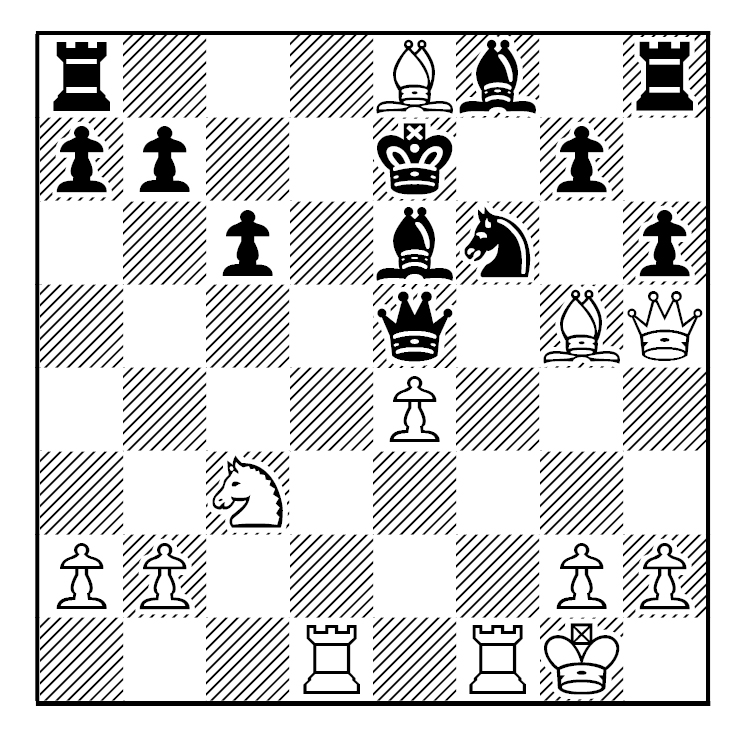
1.e4 c5 2.Nf3 d6 3.d4 cxd4 4.Nxd4 Nf6 5.Nc3 g6 6.Be3 Bg7 7.f3 Nc6 8.Qd2 O-O 9.g4 Nxd4 10.Bxd4 Qa5 11.h4 Be6 12.h5 Rfd8 13.hxg6 hxg6 14.a3 d5 15.e5 Nd7 16.Qh2 Nf8 17.Bd3 f6 18.exf6 exf6 (White has the advantage and can win a number of ways. He chooses the most direct route.)

 
2020_05_21_A


19.b4! (Trapping the queen.) 1-0


GM Botvinnik-GM Averbakh
Training Game, June 6 1955
[E56]
[With everything else being equal, a passed pawn is worth more than a pawn.]
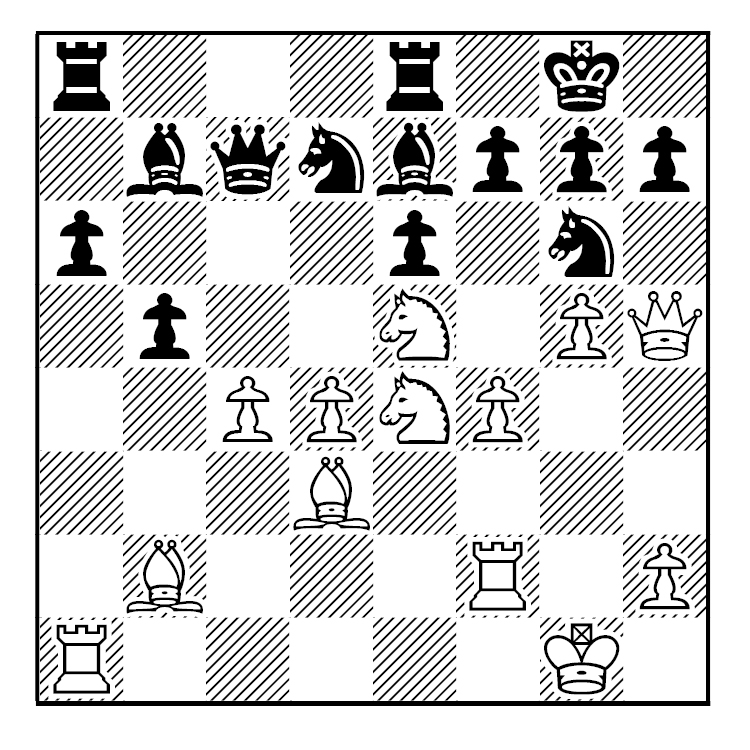
1.d4 Nf6 2.c4 e6 3.Nc3 Bb4 4.e3 O-O 5.Bd3 d5 6.Nf3 c5 7.O-O Nc6 8.a3 (8.Qc2 is also good.) 8…Ba5 9.cxd5 exd5 10.dxc5 Bxc3 11.bxc3 Bg4 12.c4 Ne5 13.cxd5 Nxf3+ 14.gxf3 Bh3 15.e4! (White is willing to give up the exchange for a powerful, mobile pawn center.) 15…Nd7

[So why can’t Black take advantage of the exchange sacrifice?

Here is one answer:

Jesus Rodriguez-Oscar Vieira Ferreira (2065)
Argentina Team Tournament
Tucuman, 1971
15.e4 Bxf1 16.Bxf1 Nd7 17.Be3 f5 18.Bh3 fxe4 19.fxe4 Ne5 20.f4 Nc4 21.Qd4 Nxe3 22.Qxe3 Qf6 23.Rf1 Rae8 24.e5 g5 25.Qg3 Qg7 26.Be6+ Rxe6 27.dxe6 gxf4 28.Qxg7+ Kxg7 29.Rd1 Rf5 30.Rd7+ Kg6 31.Rd5 Kg7 32.e7 Kf7 33.e6+ Kxe6 34.Rxf5 1-0.

The text game provides another answer.]

16.Kh1 Bxf1 17.Bxf1 Nxc5 18.Be3 b6 19.e5 Qd7 20.f4 Rfd8 21.Bg2 Rac8 22.Qf3 Nb3 23.Rd1 Rc3 24.f5 Nc5 25.f6 Rd3 26.Rg1 g6 27.Qf4 Qe8 28.Bxc5 bxc5 29.Re1 R3xd5 30.Bxd5 Rxd5 31.Qh6 Qf8 32.Qh3 Qd8


2020_05_21_B


33.e6! 1-0


GM Botvinnik-GM Averbakh
Training Game, Oct. 1956
[E29]
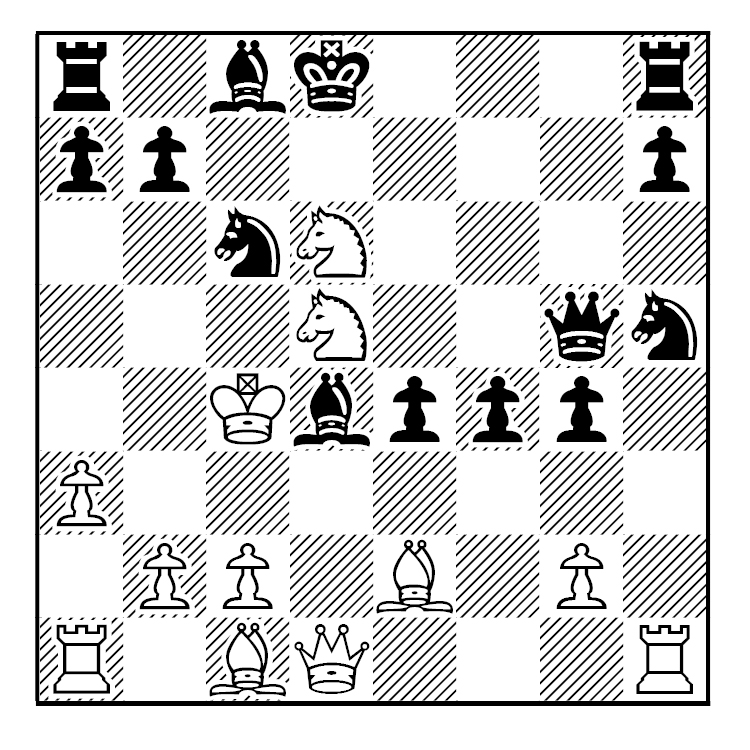
1.d4 Nf6 2.c4 e6 3.Nc3 Bb4 4.e3 O-O 5.Bd3 c5 6.a3 Bxc3+ 7.bxc3 Nc6 8.e4 cxd4 9.cxd4 Nxd4 10.e5 Qa5+ 11.Kf1 Ne8 12.Bb2!? [White has two good choices here; 12.Bd2 (ECO’s line), and 12.Bb2, which seems to be a Botvinnik TN.] 12…Nc6 13.Nf3 f5 14.Qc2 d6 15.Re1 dxe5 16.Nxe5 Nf6 17.h3 Qc5 18.g4 Ne4 19.Nxc6 Qxc6


2020_05_21_C


20.Rg1! (White’s next moves are designed to open the diagonals for his bishops by eliminating the center pawns.) 20…Rf7 21.Re3 Qc5?! (21….Kf8 might seem anti-thematic, and perhaps even a little bizarre, but it’s important to get out of the soon-to-opened g-file.) 22.gxf5 exf5 23.Bxe4 fxe4 24.Qc3 1-0


GM Botvinnik-GM Yuri Averbakh
Training Game, 1956
[C63]
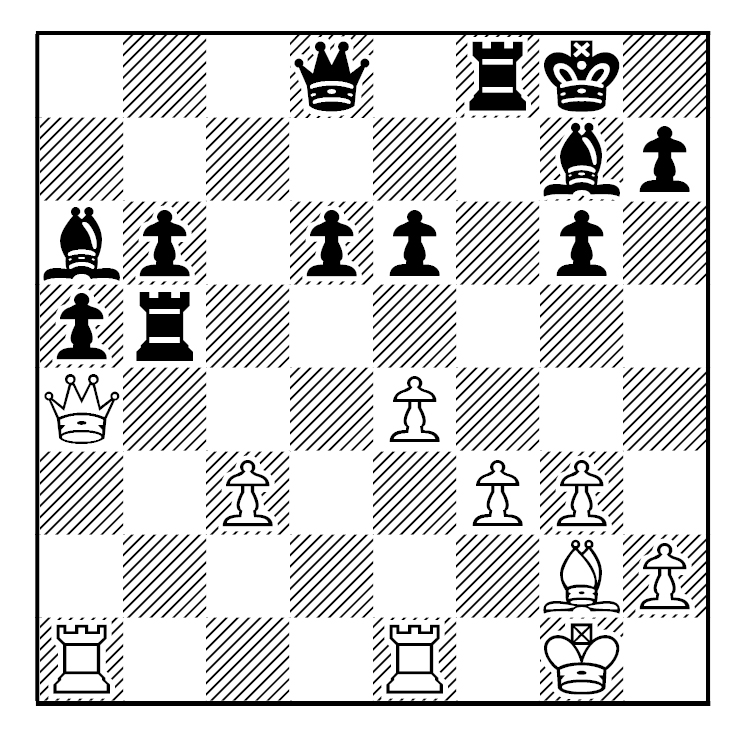
1.e4 e5 2.Nf3 Nc6 3.Bb5 f5 4.Nc3 fxe4 5.Nxe4 Be7 6.Bxc6 dxc6 7.d3 Nf6 8.Qe2 [Botvinnik has what he wants; a few small advantages (in this case, space and positional) he can take to the endgame.] 8…Bg4 9.h3 Bxf3 10.Qxf3 Qd5 11.Bg5

[Also good is 11.O-O O-O 12.Be3 Rad8 13.b3 b6 14.Rad1 Qd7 15.Nxf6+ Rxf6 16.Qg4 Qd5 17.Qe4 Rg6 18.Kh1 Re8 19.f3 Rf8 20.Bg1 Bd6 21.Rde1 Re8 22.Re2 Rg5 23.Bh2 Rh5 24.Rfe1 Qa5 25.Qxc6 1-0, E. Szalanczy (2237)-M. Lyell (2225), First Saturday, Budapest, Sept. 4 2012.]

11…Nxe4 12.dxe4 Qf7 13.Qxf7+ Kxf7 14.Be3 Ke6 (Black’s king travels to the center to contest the center squares.) 15.Ke2
2020_05_21_D


(White’s advantages are now easier to perceive. One is that two of Black’s queenside pawns are doubled. A bigger problem is that his e5-pawn is isolated. Finally, White’s bishop has more freedom of movement than Black’s. Black’s biggest plus is his strongly placed king on e6.)

15…Rhf8

[Black can also try 15…Rad8. After 16.Rad1 (not 16.Bxa7? b6!) 16…Rd6 17.Rxd6+ cxd6 18.a4 (Again, not 18.Bxa7? due to 18… a8). Stockfish prefers 15…Rad8 16.h4 h5 17.g3 Rd7 18.a4 g6 19.Rag1 a6 20.Ra1 Rhd8 21.f3 Rf8 22.Rhg1 Rdd8 23.Rgb1 Rf7 or even the more immediate 15….h5 16.h4 a6 17.g3 Rad8 18.a4 a5 19.Rag1 g6 20.Rc1 Rhf8 21.Ra1 Rh8 22.Rag1 b6 23.f3 Rhf8. Verdict: White has definite, and annoying (for Black), advantages. The big question is: “Can White win?” The answer is: “Probably yes, especially if you are a GM”.]

16.h4 Rf7 17.h5 h6 18.Rh3 Bg5 19.Rd1 Raf8 20.f3 a5 21.Rg3 Kf6 22.Rg4 a4 23.g3 Ke6 24.Rf1 Bxe3 25.Kxe3 Rd7 26.f4 Rf6 27.Rg6 Kf7 28.fxe5 Rxf1 29.e6+ Ke7 30.exd7 1-0


[30….Kxd7 31.Rxg7+ Kd6 (31…Kd8 is passive. White will eventually win by slowly, surely, and simply moving up the board. Black’s only chance to bring his king up and challenge White for control of the board. But White still wins.) 32.Rg6+ Ke5 33.Rxh6 Rc1 34.Rh8.]

Pet Peeves

With the corona virus in full swing many chess players are staying home. Some are playing chess on the Internet, some are studying, and some are writing chess blogs.


Many of the newer blogs are good examples of amateurs showing off their games and writing talents.


But, on occasion, there are some errors that appear on these sites, just enough to bug me. You can call them my list of 5 Pet Peeves of Personal and Professional Blogs (PPPB).


1) Misspelled Words – There should be no excuse for any misspelled words! Run your written words through a word processor before you even think about posting! Any error in spelling, esp. ones that require simple spelling, renders your professional blog into a personal one, and a personal one into a poor one.


Some egregious examples: “playing the Too Knights Defense”, “Fisher was world champion in 1973” and one from the pre-Internet era, “Murphy was the best player of the 19th century”.


2) Incorrect and Bad Grammar. I admit, English is a difficult language to learn. And you get a break if your native tongue is not English. But you might know someone who knows the language better than you. Use that person! And if you still have problems with understanding or following the rules of grammar, then why not write your blog in your native language? You’ll do a better job at transmitting your thoughts, ideas, and insights.


3) Errors in game scores. A cardinal error. Even a person who cannot read your notes in English, or any other language you choose to write your masterpiece, he or she might get still something out of your blog, even if it is just a game score. Otherwise, they become totally lost and befuddled and are not likely to follow or promote your blog.


Use a PGN recorder. They are too many of them to go into detail, but most are free to download off the Internet. And they all make less mistakes than you!


BTW, my personal favorite, being concise and very user-friendly, is written in Spanish.


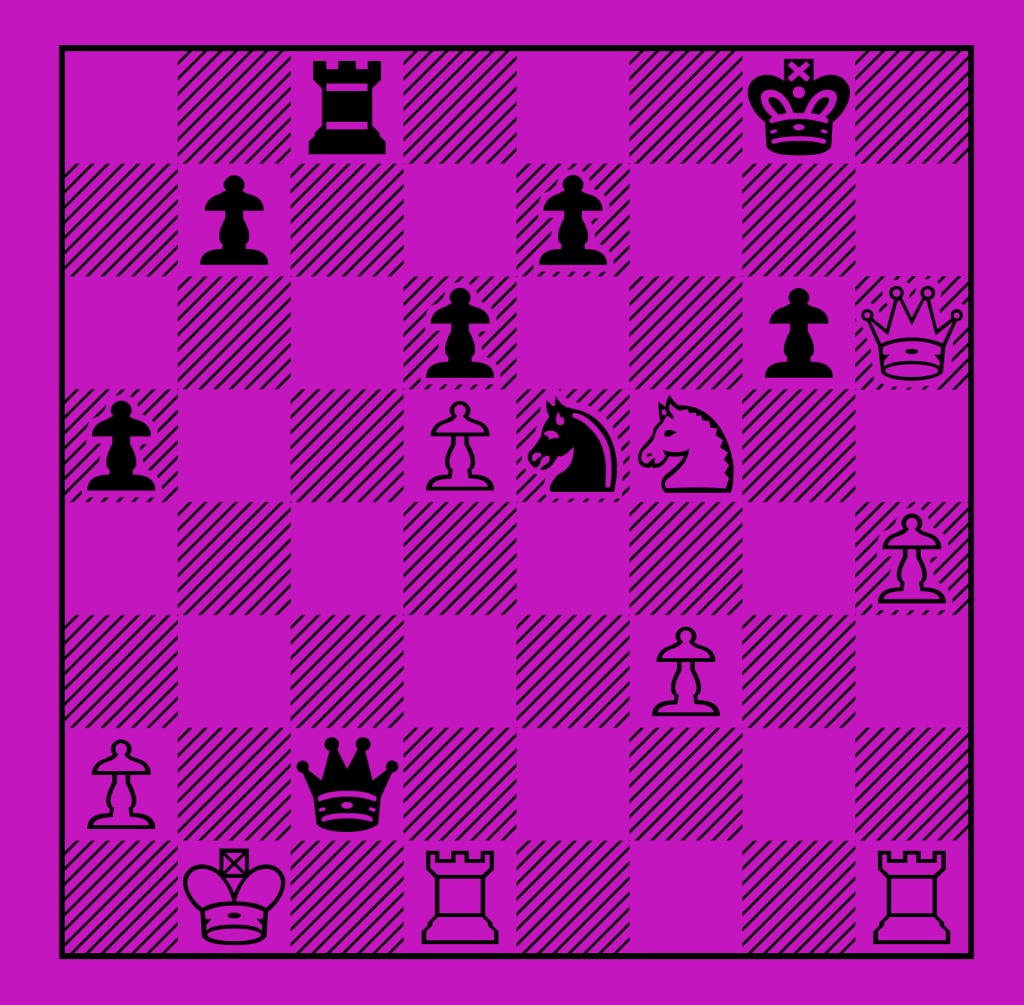
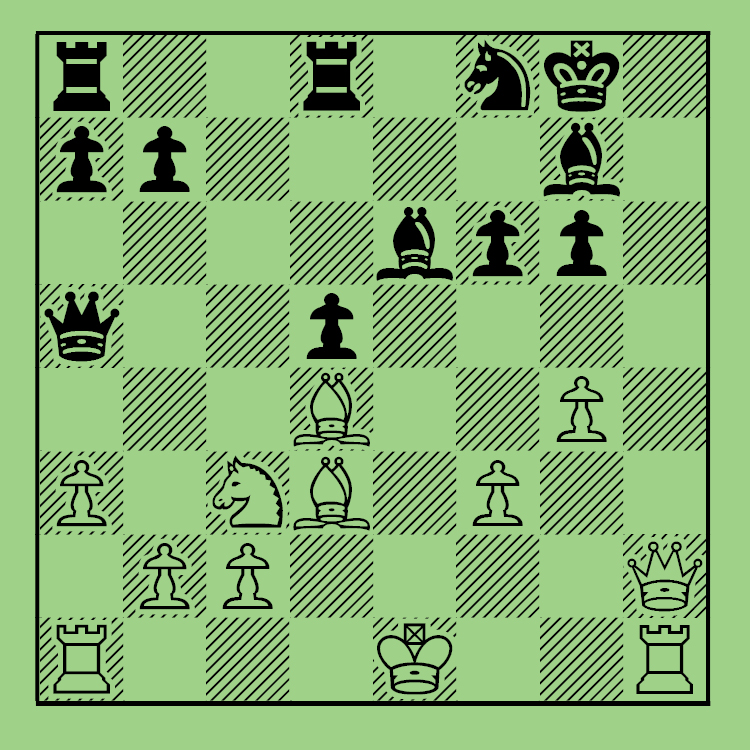
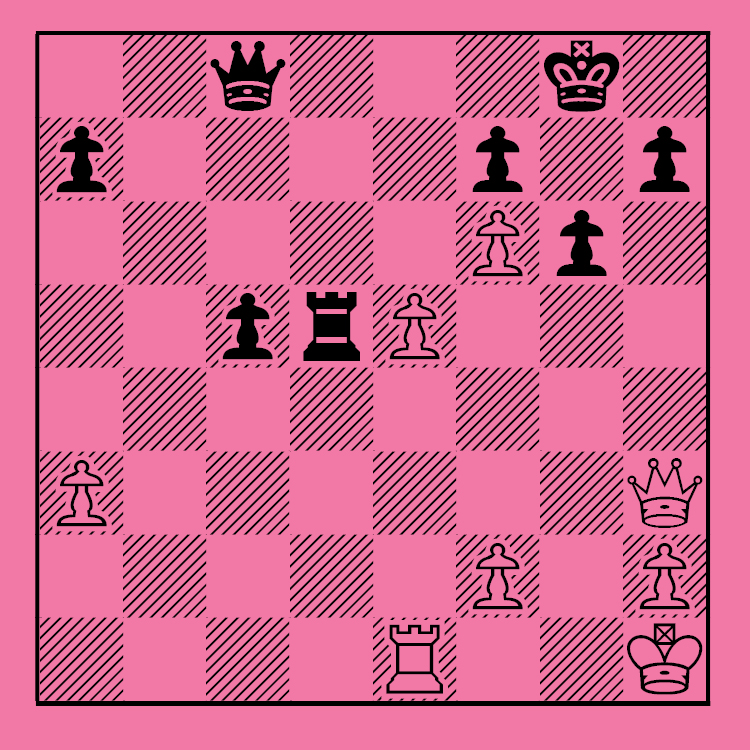
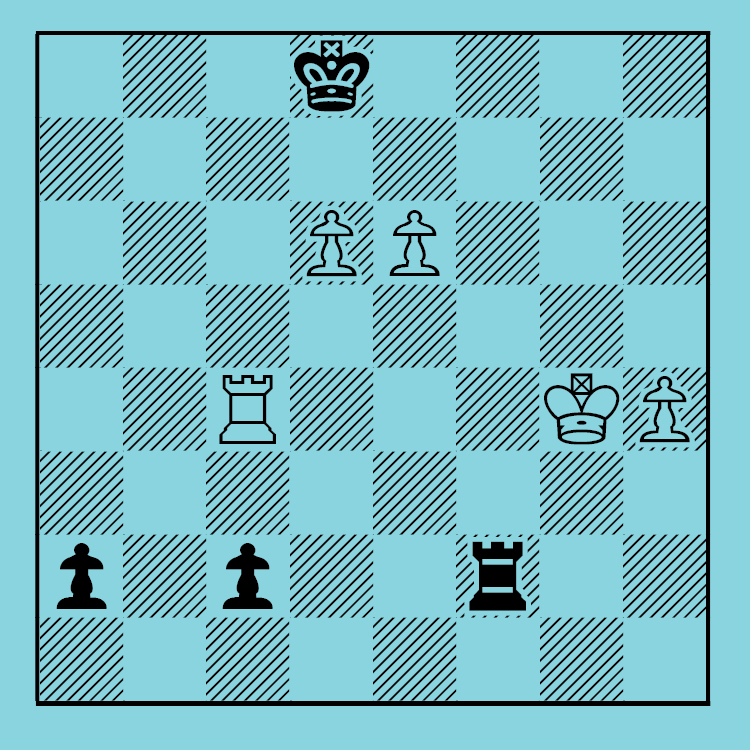
4) Mistakes in Diagrams. Even a blog reader who cannot read your blog due to spelling mistakes, grammatical errors, ignorance (of the language), and cannot follow a game because of errors there too, might still salvage something from the time invested in reading your blog. Give your reader something to appreciate!

 
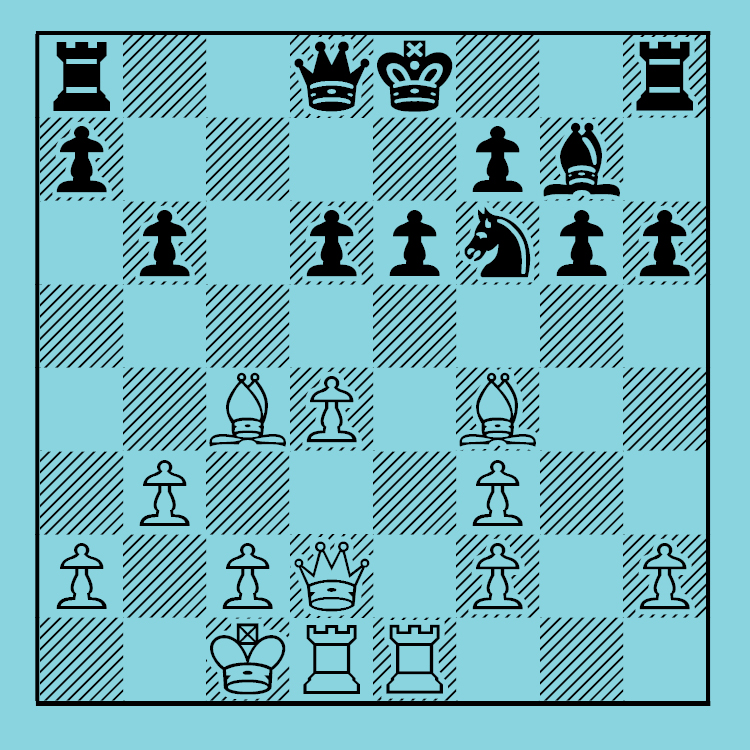
Here’s an example (I’ve made some changes to the diagram and notes for brevity and to avoid identifying the blogger).

 
…after a tactical tussle, which both sides are threatening mate, White comes out ahead and while he (White) will eventually mate Black; Black can’t mate White.


2020_05_14_A

BLACK TO MOVE


There is an element of truth to what this blogger wrote. But it is misleading.


5) Gross errors in geography and other simple things. Every now and then I read about a game played in 2004 or so, in Czechoslovakia. The only problem is that Czechoslovakia stopped being a country in at the end of 1992. One might write, “Czech Republic”.


The same goes for Yugoslavia, which also broke up in 1992.

 
And here is one I’m still scratching my head; “the usual time control is 120 minutes or 2 hours, whichever comes first.”

50 Years Ago

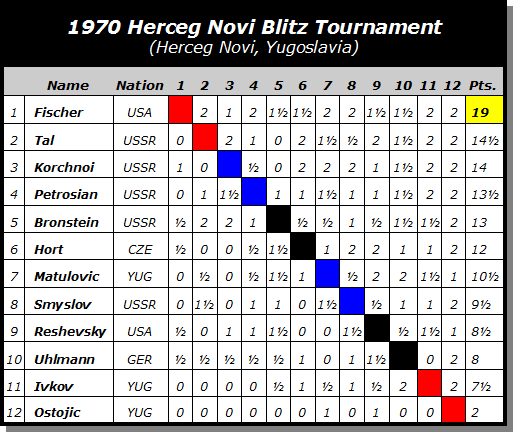
On Apr. 17th 1970, just after the conclusion USSR vs. Rest of the World match, a blitz tournament took place in Herceg Novi, then part of Yugoslavia.


Many of the world class players who participated in the USSR match joined the blitz tournament. Among them were three ex-world champions (Smyslov, Petrosian, and Tal), one future world champion (Fischer would win the title two years later), other players who had participated in the world championship matches and tournaments, and still others who would in the future.


Despite several renowned Soviet blitz players, it was Fischer, then in his prime, who captured first place. By a large margin.


The difference between Fischer and second placed Tal (who was one of the renowned Soviet players), was an outstanding 4 ½ points.


Many of the games were not recorded, which was understandable in the pre-computer days. However, many Tal’s games (about half) could not be reconstructed or were not available after play. This is all more surprising given that Tal was known for his phenomenal memory.


Still we have some wonderful games from the tournament. Various games of the top two players from the tournament are given below. Their games are still popular and enjoyable five decades later.


~~~~~~~~~~~~~~~~~~~~~~~~~


1970hercegnoviblitz


GM Fischer-IM Ostojic
Blitz Game
Herceg Novi, Apr. 17 1970
[This game has been published in various publications and blogs, including this one.]
1.e4 c5 2.Nf3 Nc6 3.d4 cxd4 4.Nxd4 Nf6 5.Nc3 g6 6.Nxc6 bxc6 7.e5 Ng8 8.Bc4 Bg7 9.Bf4 Qa5 10.O-O Bxe5 11.Bxe5 Qxe5 12.Re1 Qc7
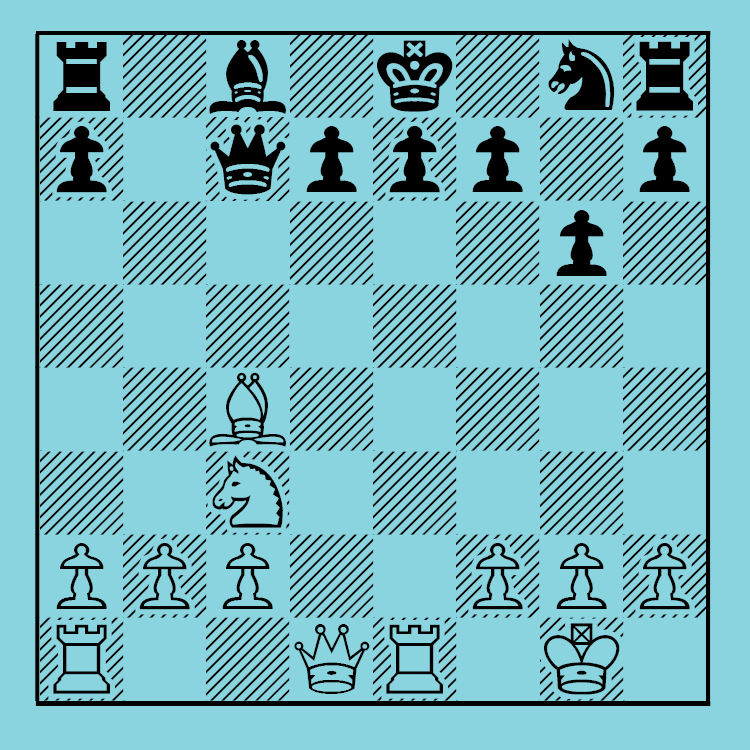
2020_05_07_A

13.Qd4! +- (13.Qd5 would also work but this is the fastest way to victory.) 13…f6 14.Bxg8 Rxg8 15.Qxf6 d5 16.Re2 Ba6 17.Nxd5 cxd5 18.Qxa6 Rf8 19.Rae1 Rf7 20.Qe6 Rd8 21.c3 Kf8 22.g3 d4 23.cxd4 Rxd4 24.Qe5 Qxe5 25.Rxe5 Rd2 26.R1e2 Rxe2 27.Rxe2 Rf6 28.Kf1 Rc6 29.Ke1 e6 30.Kd2 Ke7 31.Re4 Rb6 32.b3 Ra6 33.a4 Kd6 34.Rh4 h5 35.Rd4+ Ke7 36.Kc3 Rc6+ 37.Rc4 Ra6 38.Rc7+ Kf6 39.Kb4 Rb6+ 40.Kc4 a6 41.a5 Rd6 42.b4 Rd2 43.Kc5 Rxf2 44.Kb6 e5 45.Kxa6 e4 46.b5 e3 47.Rc1 Ke5 48.b6 Rg2 49.b7 Rb2 50.Ka7 g5 51.b8=Q+ Rxb8 52.Kxb8 1-0


GM Tal-GM Fischer
Blitz Game
Herceg Novi, Apr. 17 1970
[For most of the game it is even. White eventually gets the advantage, only to see the advantage, and then the game, slip away.]
[B50]
1.e4 c5 2.Nf3 d6 3.Nc3 e5 4.Bc4 Be7 5.d3 Nf6 6.O-O Nc6 7.Ne1!? (A move deserving of more attention. ECO gives 7.Ng5 O-O 8.f4 h6 9.Nf3 exf4, leading to an equal game.) 7…O-O 8.f4 [Despite position’s almost pacific appearance, the game has a lot of tension. From this position, played 33 years later, Black chose 8.exf4 and soon gained the advantage: 9.Bxf4 Be6 10.Bxe6 fxe6 11.h3 Qe8 12.Bh2 Qg6 13.Nf3 Nh5 14.Ne2 Rf7 15.Nd2 Raf8 16.Rxf7 Rxf7 17.c3 Bh4 18.Nc4 d5 19.exd5 exd5 20.Ne5 Nxe5 21.Bxe5 Rf2 22.g4 Qg5 23.Bg3 Bxg3 24.Nxg3 Qf4 25.Nf1 Ng3 0-1 (Kim Pilgaard – George-Gabriel Grigore, Kings Cup, Bucharest, 2003).] 8…a6 9.a4 exf4 10.Bxf4 Be6 11.Bxe6 fxe6 12.Bg3 Qb6 13.Qd2 Ng4 14.Nf3 Nd4 15.Rab1 Nxf3+ 16.gxf3 Ne5 17.Kg2 Ng6 18.Ne2 Nh4+ 19.Bxh4 Bxh4 20.b4 Qc7 21.bxc5 dxc5 22.a5 Rf6 23.f4 Raf8 24.Rb6 Bg5 25.e5 Rf5 26.Rxe6 Qf7 27.Rd6 Bxf4 28.Rxf4 Rxf4 29.Nxf4 Qxf4 30.Qxf4 Rxf4 31.Rd7 (White has the advantage due to his advanced pawns and Black’s isolated king on the back rank. But the game still needs to be won!) 31…Ra4 32.e6 Kf8 33.Rf7+ Ke8 34.Rxg7 Rxa5 35.Rxb7 Ra2 36.Kf3 Rxc2 37.Rxh7 c4 38.d4 c3 39.d5 Rd2 40.Ke4 c2 41.Rc7 Kd8 42.Rc4 a5 43.h4 a4 44.Ke5 a3 45.d6 Re2+ 46.Kf5 Rf2+ 47.Kg4 a2


2020_05_07_B


48.d7?? (White falters at the moment of truth ; 48.e7+ Kd7 49.Rc7+ Kxd6 50.e8=Q Kxc7 51.Qe5+ Kd7 52.Qd4+ Ke7 53.Qb4+ Ke6 54.Qb6+ Kd7 55.Qb7+ Ke8 56.Qc8+ and it’s a draw!) 48…Ke7 49.Rc8 Rd2 50.Re8+ Kf6 51.e7 Rxd7 (Black promotes first and gives the first check. Bobby, like most of his games of the tournament, was also probably ahead in time.) 0-1


GM Tal-GM Uhlmann
Blitz Game
Herceg Novi, Apr. 17 1970
[A15]
[One does not give Tal a free tempo!]
1.g3 d5 2.Bg2 Nf6 3.c4 dxc4 4.Nf3 Nbd7 5.O-O a6 6.Na3 c5 7.Nxc4 e6 8.d4 Rb8? (The rook does nothing except to get itself into trouble. Better, and more enterprising, is 7…Nb6!?) 9.Bf4 Ra8 10.dxc5 Nxc5? (Better for Black is 10….Nd5, and while not winning, it has the dual benefits of not losing more tempi and getting somewhat out of the pin.) 11.Bd6 Nxc5 12.Bxf8 Kxf8 13.Qd4 Nd7 14.Rac1 h5 15.Rfd1 Qf6 16.e4 Qxd4 17.Rxd4 N5f6 18.Nd6 Ke7 11.Qxd8+ Kxd8 12.Rfd1+ Nfd7 13.Nb6 Ra7 14.Bb8!


2020_05_07_C


1-0


GM Tal-GM Borislav Ivkov
Blitz Game
Herceg Novi, Apr. 17 1970
1.e4 g6 2.d4 Bg7 3.Nc3 d6 4.Bg5 h6 5.Be3 b6 6.Nf3 Bb7 7.Bd3 Nd7 (When Black makes this move the message he sends out is, “I’m going to play …e5 or …c5.” If he doesn’t make either of these two moves, then the message becomes, “Attack me!”. Black doesn’t make this error, but Tal still attacks!) 8.Qd2 c5 9.O-O-O Ngf6 10.b3 c4 11.Bxc4 Nxe4 12.Nxe4 Bxe4 13.Rhe1 Bxf3 14.gxf3 e6 15.Bf4 Nf6

2020_05_07_D


16.Bxe6! fxe6 17.Rxe6+ Kf7 18.Rxd6 (White also has 18.d5) 18…Qc8 19.Be5 Rd8 20.Rxd8 Qxd8 21.Rg1 Qd7 22.Qd3 Qf5 23.Qc4+ Qe6 24.Qc7+ Qe7 25.Qc4+ Qe6 26.Qd3 Qf5 27.Qc4+ Qe6 28.Qxe6+ Kxe6 29.Rxg6 … 1-0

 
GM Tal-GM Korchnoi
Blitz Game
Herceg Novi, Apr. 17 1970
1.e4 e6 2.d4 d5 3.Nd2 c5 4.Ngf3 a6 5.exd5 exd5 6.Be2 c4 7.O-O Bd6 8.Re1 Ne7 9.b3 b5 10.a4 c3 11.Nf1 b4 12.Ne5 O-O 13.Bf4 f6? 14.Nd3 Bxf4 15.Nxf4 Qd6 16.Bf3! Nbc6 17.Ne3 Qxf4 18.Nxd5 Nxd5 19.Bxd5+ Kh8 20.Bxc6 Ra7 21.Qe2 Qxd4 22.Rad1 Qc5 23.Qe8 Raf7 24.Rd5 Qb6 25.Qxf7 1-0

A Different Type of a King Hunt

The King Goes Hunting!

~~~~~~~~~~~~~~~~~~~~~~


William Smiley-Matthew Lasley
corres.
Summer Service Series
Section S40081
CCLA 2014
1.e4 d5 2.exd5 Nf6 3.c4 e6 4.dxe6 Nc6 5.exf7+ Kxf7

[Risky play has its own rewards. Certainly, it takes guts and luck. And perhaps, maybe, Black was aware of the following game:

DEEP FRITZ 7-DEEP JUNIOR 8
25 minute game, Aug. 1 2003
1.e4 d5 2.exd5 Nf6 3.c4 e6 4.dxe6 Nc6 5.exf7+ Kxf7 6.d3 Bc5 7.Nf3 Ng4 8.Ng5+ Kg6 9.Ne4 Nxf2 10.Nxf2 Bxf2+ 11.Kxf2 Qd4+ 12.Kg3 Rf8 13.Qe2 Qd6+ 14.Kh4 Qd8+ 15.Kg3 h5 16.Qe4+ Bf5 17.Qh4 Qe8 18.Qg5+ Kh7 19.h3 Qe5+ 20.Qf4 Qe7 21.Kh2 Bg6 22.Qg5 Qd6+ 23.Qg3 Qd4 24.Nc3 h4 25.Qg4 Qd6+ 26.g3 Ne5 27.Qxh4+ Kg8 28.Bg2 Rf2 29.Kg1 Raf8 30.Ne4 Rxg2+ 31.Kxg2 Qxd3 32.Re1 Nf3 33.Nf6+ Rxf6 0-1.]

6.Nf3 Bg4 7.Be2 Bxf3 8.Bxf3 Qd3 9.Bd5+ (9.Be2 Re8 and it looks like Black already has the advantage.) 9…Nxd5 10.Qh5+ Ke6 (Charge! Arthur Holmer, writing in the Oct-Dec. 2016 issue of The Chess Correspondent, noted the brave, and almost foolhardy, 10…Kf6 leads to victory after 11.Qe2 Ncb4.) 11.cxd5+ Qxd5 12.Qxd5+ Kxd5


2020_04_30_A


13.a3 Re8+ 14.Kd1 Bc5 15.f3 Re6 16.d3 Kd4 17.Nc3 Kxd3


2020_04_30_B


18.Ne4 Bb6 19.b4 Rd8 20.Bd2 h6?! (Black is almost forced to make this weakening move.) 21.Rc1 Bd4 22.Nc5+ Bxc5 23.Rc3+ (White finally manages to push back the Black king.) 23…Kd4 24.Rxc5 Re5 25.Rxe5 Nxe5 26.Kc2 Nc4 27.Ra1 Ne3+ 28.Kb3 Nxg2 29.Bxh6! Re8 30.Bxg7+ Ke3 31.h4 Kxf3 32.h5 Re3+ 33.Ka4 c6 34.Bb2 Nf4 35.h6 Nd5 36.Bd4 1-0 (The Chess Correspondent mentions, “Black actually overstepped the time control and the server automatically issued a time forfeit, but the White h-pawn will promote or cost material.” Black loses his king at the end. But what a brave and courageous king!)

King Hunt!

24414.078387ce.668x375o.bb8e0deb123d


Every chess player enjoys a king-hunt, esp. when he is the one who is doing the hunting.

 
For those who are unfamiliar with this term, here is a short definition : A king hunt occurs when a king is driven from a defended position to another part of the board where he may be mated.

 
Here are some of my favorites. The second one is well-known, while the others are not (but maybe should be).


~~~~~~~~~~~~~~~~~~~~~


Greco-N.N.
Italy, 1620
1.e4 e5 2.f4 exf4 3.Nf3 g5 4.Bc4 g4 5.Bxf7+ (The Lolli Gambit. It is rarely seen because Black can defend this aggressive and early attack. Still, it might make a good choice in a blitz game or two!) 5…Kxf7 6.Ne5+ Ke6 7.Qxg4+ Kxe5 8.Qf5+ Kd6 9.d4 Bg7 10.Bxf4+ Ke7 11.Bg5+ Bf6 12.e5 Bxg5 13.Qxg5+ Ke8 14.Qh5+ Ke7 15.O-O Qe8 16.Qg5+ Ke6

2020_04_23_A
17.Rf6+ Nxf6 18.Qxf6+ Kd5 19.Nc3+ Kxd4 20.Qf4+ Kc5 21.b4+ Kc6 22.Qc4+ Kb6 23.Na4mate 1-0


Edward Lasker-George Alan Thomas
Casual Game
London, Oct. 29 1912
1.d4 e6 2.Nf3 f5 3.Nc3 Nf6 4.Bg5 Be7 5.Bxf6 Bxf6 6.e4 fxe4 7.Nxe4 b6!? (This move seems slow. Probably best is the immediate 7…O-O. Monti-Idili, corres., Italy, 1972 continued with 8.Ne5 Nc6 9.Bd3 Nxe5 10.dxe5 Bxe5 11.Qh5 Rf5 12.Qh3 Bxb2 13.Rb1 Bd4 14.g4 Rf8 15.Nd6 cxd6 16.Bxh7+ Kf7 17.Rb3 Qg5 18.f4 Qh6 19.Qd3 b6 20.g5 Qh4+ 21.Ke2 Ke7 22.Qxd4 Qxh7 23.Rd3 d5 24.h4 Ba6 25.g6 Bxd3+ 26.cxd3 Qxg6 27.Rg1 Qf6 0-1. Back to the game.) 8.Ne5 O-O 9.Bd3 Bb7 10.Qh5 Qe7? [The text move is an error. Best is 10…Bxe5 11.Nd2 g6 12.Qxe5 Nc6 13.Qg3 Nb4 14.Bxg6 hxg6= (Stockfish).]

2020_04_23_B
11.Qxh7+!! Kxh7 (11…Kg8? 13.Ng6# wins on the spot!.) 12.Nxf6+ Kh6 13.Neg4+ Kg5 14.h4+ Kf4 15.g3+ Kf3 16.Be2+ Kg2 17.Rh2+ Kg1 18.Kd2mate 1-0 (12.O-O-O# is also possible.)


Blackburne-N.N.
10 Board Blindfold Simul
Kidderminster, England, May 15 1863
1.e4 e5 2.d4 exd4 3.c3 dxc3 4.Bc4 d6 5.Nxc3 Nc6 6.Nf3 Ne5 7.Nxe5 dxe5 8.Bxf7+ Ke7 9.Bg5+ Nf6 10.Qh5 c6 11.Rd1 Qa5 12.f4 Qc5 13.fxe5 Qxe5 14.O-O h6 15.Be8 Be6

2020_04_23_C
16.Rxf6! gxf6 17.Rd7+ Bxd7 18.Qf7+ Kd6 19.Qxd7+ Kc5 20.Be3+ Kb4 21.Qxb7+ Ka5 22.b4+ Bxb4 23.Bb6+ axb6 24.Qxa8mate 1-0


Huber-Lemke
Essen, 1936
1.e4 Nf6 2.Nc3 d5 (A side variation of Alekhine’s Defence.) 3.exd5 Nxd5 4.Bc4 Nb6 5.Bb3 c5 6.d3 Nc6 7.Nf3 e5? (The e5-pawn will become a target. More common are 7…e6 and 7..Bf5.) 8.O-O Bg4 9.h3 Bh5 10.Nxe5!! Bxd1 (Better is 10…Nxe5, but White is winning after 11.Qxh5.) 11.Bxf7+ Ke7 12.Bg5+ Kd6 13.Ne4+! Kxe5 14.f4+ Kd4 (14…Kf5 15.Ng3#) 15.Raxd1 Ke3 16.Rf3+ Ke2 17.Rd2+ Ke1 18.Rf1mate 1-0


Moser-Underwood
corres.
Canada, 1962
1.e4 c5 2.b4 cxb4 3.a3 e6 4.axb4 Bxb4 5.c3 Be7 6.d4 d6 7.Nf3 Qc7 8.Bd3 Nf6 9.O-O O-O 10.e5! dxe5 11.Nxe5 Nbd7 12.f4 b5 13.c4 Bb7 14.Nc3 a6 15.Bb2 Qd6 16.Rf2 Rfe8 17.g4 Nf8 18.g5 N6d7 19.Ne4 Qc7 20.Qh5 Ng6

2020_04_23_D

21.Nxf7! Nxf4 (21…Kxf7 22.Qxh7 Rh8 23.Nd6+! Bxd6 24.Bxg7+ Ke7 25.Qxg7+ followed by Qxh8+.) 22.Qxh7+! (White now announces mate in 12 moves.) 22…Kf8 (22…Kxf7 23.g6+ Kf8 24.Qh8#) 23.Qh8+ Kxf7 24.g6+! Kxg6 25.Rg2+!! Nxg2 (25…Kf5 26.Nd6+) 26.Nd6+ Kg5 (26…Kf6 27.Rf1+) 27.Qxg7+ Kh4 28.Qh6+ Kg4 29.Be2+ Bf3 30.Bxf3+ Kxf3 31.Rf1+ Ke2 (31…Kg4 32.h3+ Kg3 33.Ne4#) 32.Rf2+ Kd1 (32…Kd3 33.Qd2#) 33.Qc1mate 0-1

Josef Matschego-Ernst Falkbeer
Vienna, 1853
1.e4 e5 2.f4 exf4 3.Nf3 g5 4.h4 g4 5.Ne5 Nf6 6.Nc3? d6 7.Nc4 Be7

[7…Nh5 is at least an alternate move and it might be even stronger. Do. Florea (1863)-Petra Papp (2276), Romania Women’s Team Ch., Mamaia, Sept. 8 2013 went 7…Nh5 8.Be2 Ng3 9.Rh2 h5 10.Nxf4 Be7 11.d4 Bxh4 12.Be3 Nxe2+ 13.Kxe2 g3 14.Rxh4 Qxh4 15.Qf1 c6 16.Kd2 Bg4 0-1.]

8.d4 Nh5 9.Be2 Bxh4+ 10.Kd2 Qg5 11.Kd3 (Avoiding a calamitous loss of material after 12…f3+. But 11.Nd5 is better.) 11…Nc6 (Black threatens 12…Nb4+ 13.Kd2 f3+ 14.Ne3 Bf2!) 12.a3 Bf2 13.Nd5 Bxd4 14.Nxc7+ Kd8 15.Nd5 f5 16.Nxd6 fxe4+ 17.Kc4

2020_04_23_E
17…Qxd5+!! 18.Kxd5 Nf6+ 19.Kc4 Be6+ 20.Kb5 a6+ 21.Ka4 b5+ 22.Nxb5 (22.Bxb5 axb5+ 23.Kxb5 Ra5+ 24.Kxc6 Bd5#.) 22…axb5+ 23.Kxb5 Ra5+ 24.Kxc6 Bd5+ 25.Kd6 Ne8mate 0-1

DRAGON TALES and TREATS

Blue_Dragon_by_mustanglover


The “Dragon” describes a vast complex variation in the Sicilian. Black sets up a fianchettoed bishop on g7, castles kingside, and hopes to attack on the queenside.


But where did the name Dragon come from?


So far, the research indicates that the name originated from the 19th century Russian player Fyodor Dus-Chotimirsk. He claimed to have invented the term in 1901 as Black’s kingside pawn structure resembled the constellation Draco. The constellation’s name means “dragon” in Latin.


It might also help to know that Dus-Chotimirsk was an amateur astronomer.


We can only assume that the fianchettoed bishop represents the head of the dragon while the bishop’s long diagonal is its tail. You will appreciate the long diagonal (tail) of the dragon after playing over a few games.

Here is an illustrated (AKA with diagrams) introduction to the Dragon.


M. Maric-S. Matveeva
Yugoslavia, 1992
[B70]
1.e4 c5 2.Nf3 d6 3.d4 Nf6 4.Nc3 cxd4 5.Nxd4 g6 6.g3 Nc6 7.Nde2 b6 8.Bg2 Ba6 9.O-O Bg7 10.Nd5 O-O 11.Re1 Rc8 12.c3 Nd7 13.Be3 Nc5 14.Nd4 Ne5 15.Nb4 Bb7 16.f3 a5 17.Nd5 e6 18.Nf4 Nc4 19.Nb5 Ba6 20.Bxc5 Rxc5 21.a4 Nxb2 22.Qb3 Nxa4 23.Nxe6 Rxb5 24.Qxa4 fxe6

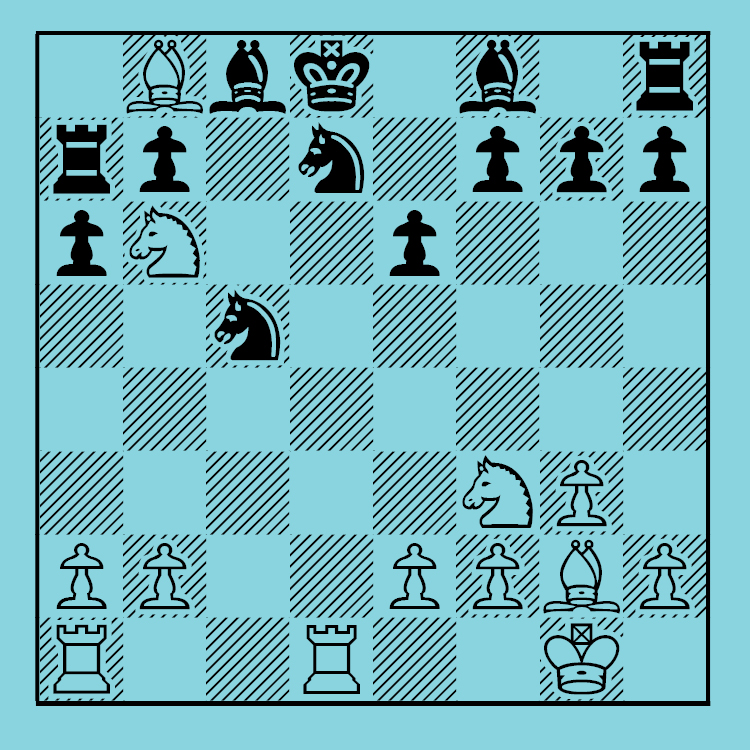
2020_04_16_A
0-1 (Black is threatening White’s “c” pawn. And 25.c4? Rb4! loses more material than just a pawn.)


Milenko Lojanica-Gawain Jones
Victoria, 2009
[B78]

1.e4 c5 2.Nf3 d6 3.d4 cxd4 4.Nxd4 Nf6 5.Nc3 g6 6.Be3 Bg7 7.f3 Nc6 8.Qd2 O-O 9.Bc4 Bd7 10.O-O-O Rb8 11.Nxc6? bxc6 12.h4 Qa5 13.Nb1??  Nxe4! 0-1 (with the idea of Bxb2#.)


Ka Szadkowski (2300)-M. Mroziak (2406)
Polish Team Ch., 2nd League
Szklarska Poreba, Sept. 2 2017
[B76]
1.e4 c5 2.Nf3 d6 3.d4 cxd4 4.Nxd4 Nf6 5.Nc3 g6 6.Be3 Bg7 7.f3 O-O 8.Qd2 Nc6 9.O-O-O Nxd4 10.Bxd4 Be6 11.Kb1 Qc7 12.h4 Rfc8 13.Bd3 Qa5 14.h5? Rxc3! 15.Qxc3 Qxa2+ 0-1


Jan Svatos (2280)-Pavel Jirovsky (2335)
Czech Chess Union Open Ch.
Prague, 1964
[A question for White. What is worse than worse having a bishop with long diagonal attacking your castled position? Having two bishops with long diagonals attacking your castled position! Not to mention the enemy queen and rooks. Details below.]
1.e4 c5 2.Nf3 d6 3.d4 cxd4 4.Nxd4 Nf6 5.Nc3 g6 6.Bc4 Bg7 7.Be3 O-O 8.f3 Nc6 9.Qd2 a5 10.O-O-O a4 11.Nxc6 bxc6 12.e5 Ne8 13.exd6 Nxd6 14.Be2 Qa5 15.Bd4 e5! (White was probably not expecting this move. It opens up the position in Black’s favor.) 16.Bc5 Qxc5 17.Qxd6 Qe3+! (This little zwischenzug keeps the advantage for Black. Obviously not 17…Qxd6? 18.Rxd6 and White is doing OK.) 18.Qd2 Qb6 19.Bc4 Qb4 20.b3 axb3 21.Bxb3 e4 22.Nb1 Qb6 23.c3? (All this move does is to loosen up White’s castled position. It’s hard to find a good move, but 23.fxe4!? keeps Black’s bishop from f5 for at least another move.) 23…exf3! 24.gxf3 Bf5! -+

2020_04_16_B

25.Kb2 Rfb8! 0-1


The next two games are from the rarely played Zollner Gambit. Consider these games as sidenotes.


Raymond Martin (2230)-Raymond Vollmar (2143)
US Open
Fort Worth, TX, July 9 1951
[B73]
1.e4 c5 2.Nf3 Nc6 3.d4 cxd4 4.Nxd4 Nf6 5.Nc3 d6 6.Be2 g6 7.Be3 Bg7 8.O-O O-O 9.f4 Qb6 10.e5 (The Zollner Gambit) 10…dxe5 11.fxe5 Nxe5 12.Nf5 Qe6 13.Nxg7 Kxg7 14.Qd2 Re8 15.Rae1 Bd7 16.Bd4 Bc6 17.Qf4 Ned7 18.Bg4 Qd6 19.Qxd6 exd6 20.Rxe8 Rxe8 21.Bxd7 Bxd7 22.Nd5 1-0


L. H. Hansen (1993)-A. Groenn (2409)
Sveins Memorial
Oslo, June 24 2011
[B73]
1.e4 c5 2.Nf3 Nc6 3.d4 cxd4 4.Nxd4 Nf6 5.Nc3 d6 6.Be2 g6 7.O-O Bg7 8.Be3 O-O 9.f4 Qb6 10.e5 dxe5 11.fxe5 Nxe5 12.Nf5 Qe6 13.Nxg7 Kxg7 14.Qd2 Kh8 15.Nb5 Nc4 16.Bxc4 Qxc4 17.Na3 Qc6 18.Qd4 b6 19.Nc4 Bb7 20.Rf2 Rfd8 21.Qh4 Qe4 22.Qxe4 Nxe4 23.Rf4 Rac8 24.b3 f5 25.Re1 Ba6 0-1


David McTavish (2224)-Jura Ochkoos (2298)
Canada Open
Toronto, 1992
[Black has to be careful not trade off his dragon.]
[B78]
1.e4 c5 2.Nf3 d6 3.d4 cxd4 4.Nxd4 Nf6 5.Nc3 g6 6.Be3 Bg7 7.f3 O-O 8.Qd2 Nc6 9.Bc4 Bd7 10.O-O-O Qb8 11.h4 Rc8 12.Bb3 a5 13.a4 h5 14.g4 Nb4 15.Bh6 Rc5 16.gxh5 Nxh5 17.Rhg1 e6 18.Nf5 exf5 19.Rxg6 Kh7 20.Bxg7 f4 21.Rxd6 Be6 22.Bxe6! fxe6

2020_04_16_C

23.Rd7! (Black is facing lines that end in mate. Lines like 23…Nxg7 24.Rxg7+! Kxg7 25.Rg1+ Kf7 26.Qd7+ Kf6 27.Qg7#) 1-0


Edwin Bhend-Otto Zimmermann
Zurich, 1954
[B76]
1.e4 c5 2.Nf3 d6 3.d4 cxd4 4.Nxd4 Nf6 5.Nc3 g6 6.Be3 Bg7 7.f3 Nc6 8.Qd2 O-O 9.O-O-O Na5? 10.Bh6! Be6 11.h4 Bc4 12.h5 Bxf1 13.Bxg7 Kxg7 14.hxg6 h5 15.Nf5+ 1-0


Yu Lie (2348)-Leon Hoyos (2395)
World U14 Ch.
Halkidiki, Greece, 2003
[B27]
[If this is how someone under 14 plays chess, I would not want to play him as an adult! What makes this game more interesting is the fact is that since Black moved his dragoned bishop off the long diagonal, White takes over the long diagonal and uses it for HIS bishop.]
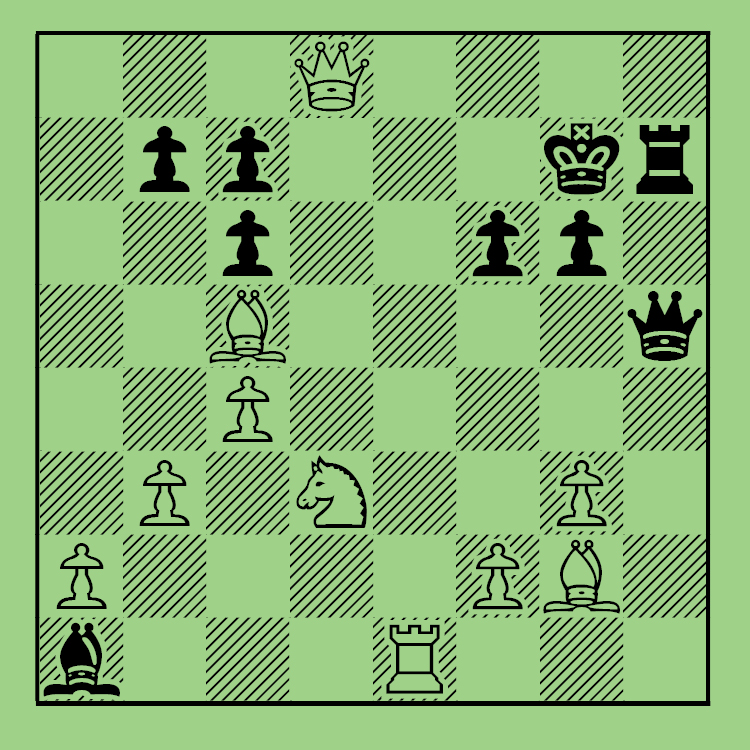
1.e4 c5 2.Nf3 g6 3.Bc4 Bg7 4.O-O Nc6 5.c3 e5 6.d4 exd4 7.cxd4 Nxd4 8.Nxd4 cxd4 9.Qf3! (Not just going for the easy mate but it also forces the Black queen to a vulnerable spot. Otherwise if 9…Nf6 or 9…Bf6, then 10.e5!) 9…Qf6 10.Qg3 Ne7 11.Bg5 Qe5 12.Bf4! (Willing to give up a pawn for continued rapid development.) 12…Qxe4 13.Bd3 Qd5 14.Bd6 Bf6 15.Re1 Kf8 16.Nd2 Qh5 17.Qf4 Bg5 18.Qe5 Kg8 19.Bxe7 Bxd2?! (Admittedly there is not much else Black can do. But now he is mated in three moves.)
2020_04_16_D
20.Qxh8+!! Kxh8 21.Bf6+ 1-0