Now that we are starting a new year, it’s time to start creating new.
I am assuming you have a laptop, phone or tablet. Let’s spice up the appearance of your device.
First of all, we have to decide what device we are going working on.
A laptop’s wallpaper is going to be layout pattern with basically a 3 x 2 ratio.
A phone’s wallpaper is going to be portrait layout pattern with basically a 2 x 3 ratio.
The following directions are set up for designing on a laptop. If you are creating a wallpaper for your phone, change Right to Top, and Left to Bottom.
Now create a totally white layer on PhotoShop (you can use other image editors, I’m not picky). This will serve a background. Label this as Layer 1.
Now the subject matter.
Since both you and I love chess (at least you are reading this blog), let’s start with a game.
Now, most players would readily advertise a game they won, and I suggest you do the same here.
First make sure your game has no errors in the score or in the notes (you did annotate it, didn’t you? If not, a few notes will make your game stand out even more.)
Copy Layer 1 (the background). Now crop it so that is approximately 45 percent of the width of Layer 1. Call this new Layer 2.
Increase your font size of your game and use the enter key as necessary so that the game score (plus your notes) fits neatly into your Layer 2. You could also use a text box to do the same. Check which option is best for your creation. This, believe it, or not, is probably, the hardest part.
Oh! One more thing – make the color of your game score something other than white – you do want to show off your game!
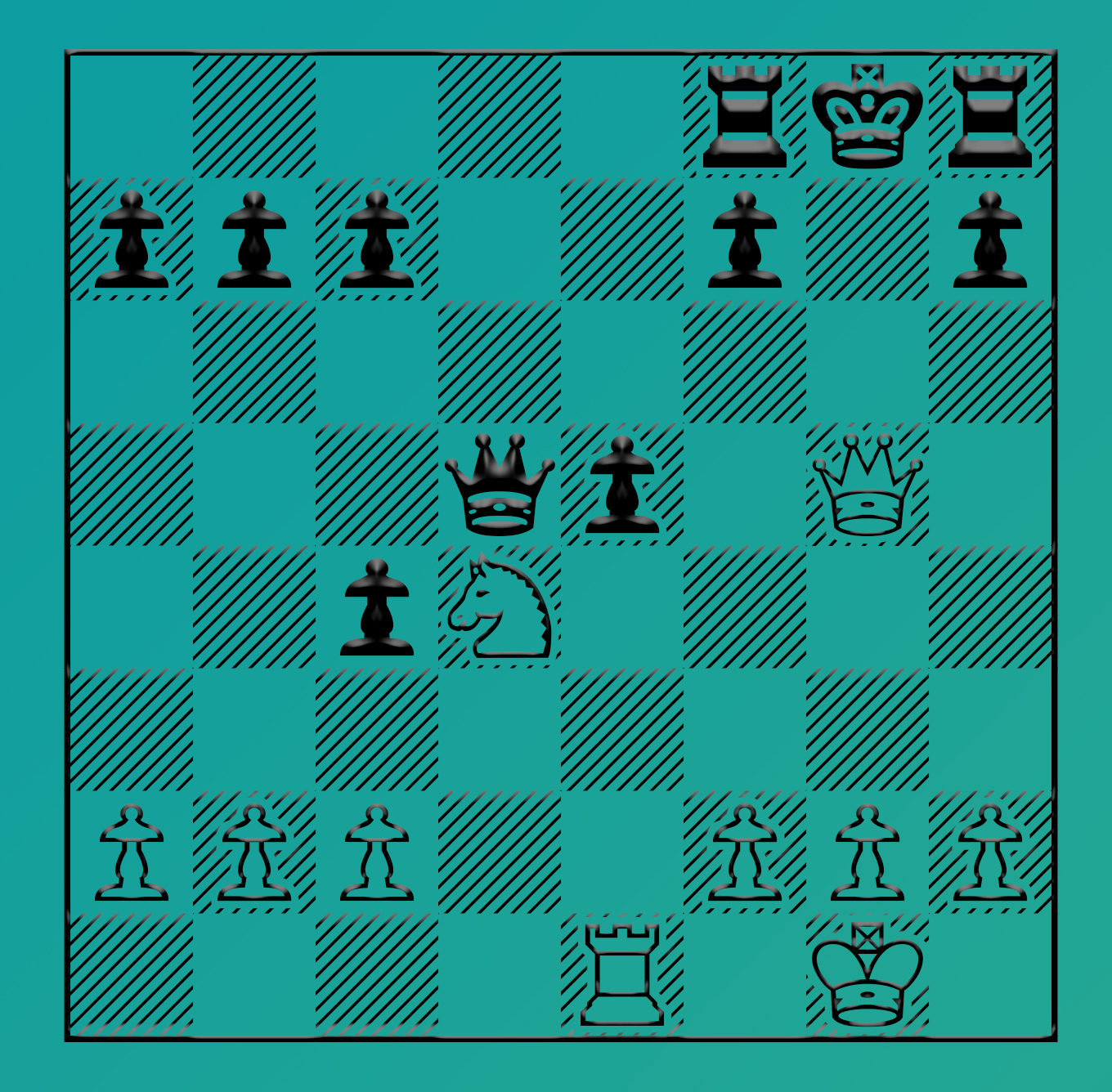
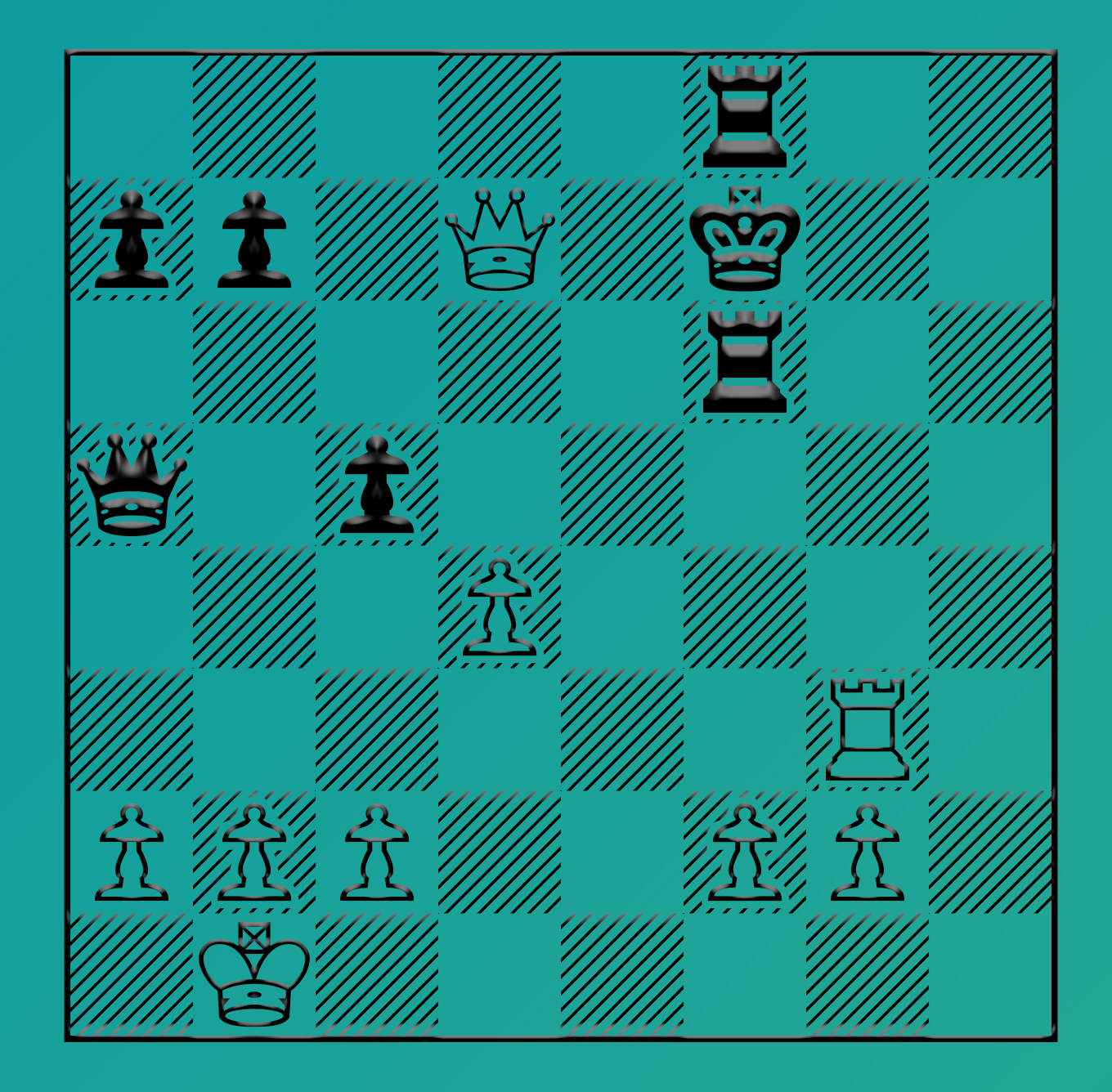
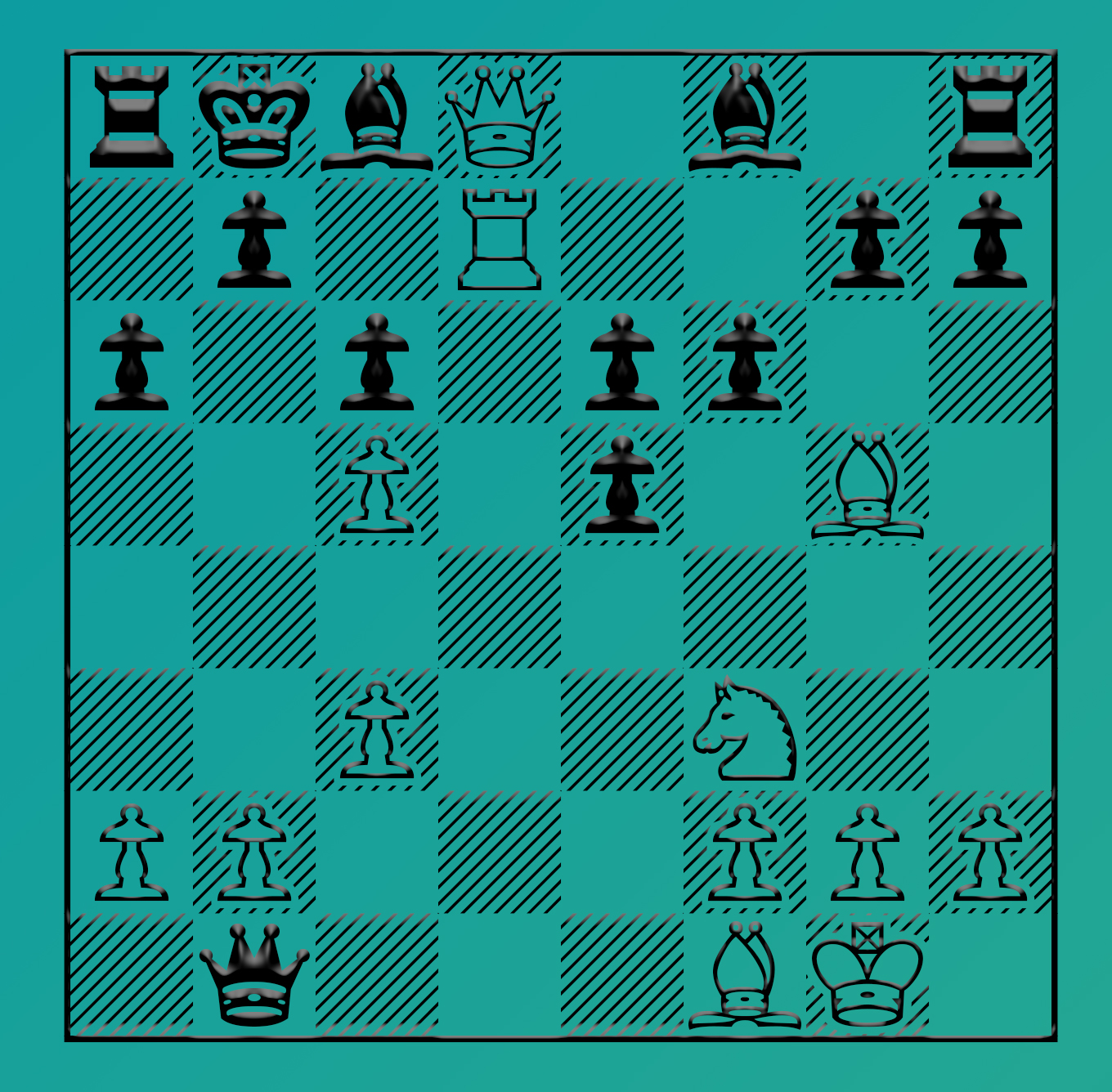
Now, create a diagram, of the winning position, or any other that shows a winning, or surprise move.
I use Linares chess fonts which I purchased back in the 1990s. But there are others on the Internet you can download, some even for free.
You are going to be repeating a step here.
Again, create a copy of Layer 1. Crop it so that is approximately 45 percent of the width of Layer 1. Call this new Layer 3.
Move Layer 2 to the left side of the Layer 1.
Move Layer 3 to the right side of the Layer 1.
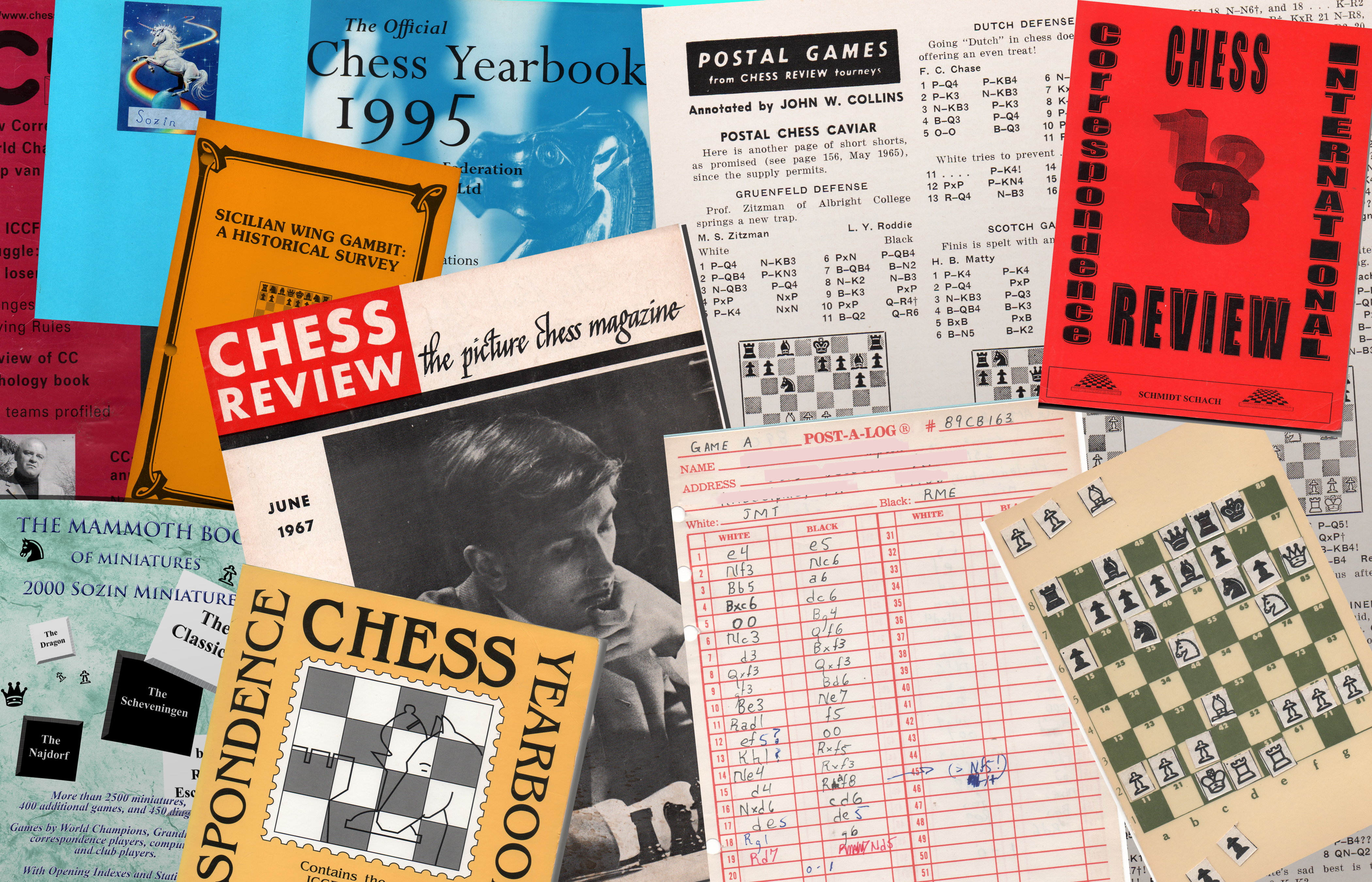
Now adjust the size, placement, and colors of all three layers to get a wallpaper to your taste (yes, this sounds like something out of a cookbook).
Garnish with any else you might want to add. For example, an emoji, a smiling face, or tournament bulletin or ad, might just add something to your overall design.
Save your file as a PSD (so you can easily change it later) and then as a JPEG so you can show it off.
Have fun!
PS – I included mine to share. You can also do the same. Let’s create! =)
If you ask chess players what was Fischer’s defence against 1.d4, most would say the King’s Indian Defence (KID). A few would also say the Gruenfeld as well (remember the “Game of the Century” they might yell out).
But Fischer also had a third option, one which he used for surprise and special occasions. That defence is known as the Benoni and is characterized as 1.d4 Nf6 2.c4 c5. Black intends to strike on the queenside and is willing to sacrifice a pawn to gain a powerful attacking position from that side of the board.
Some games from the Great One.
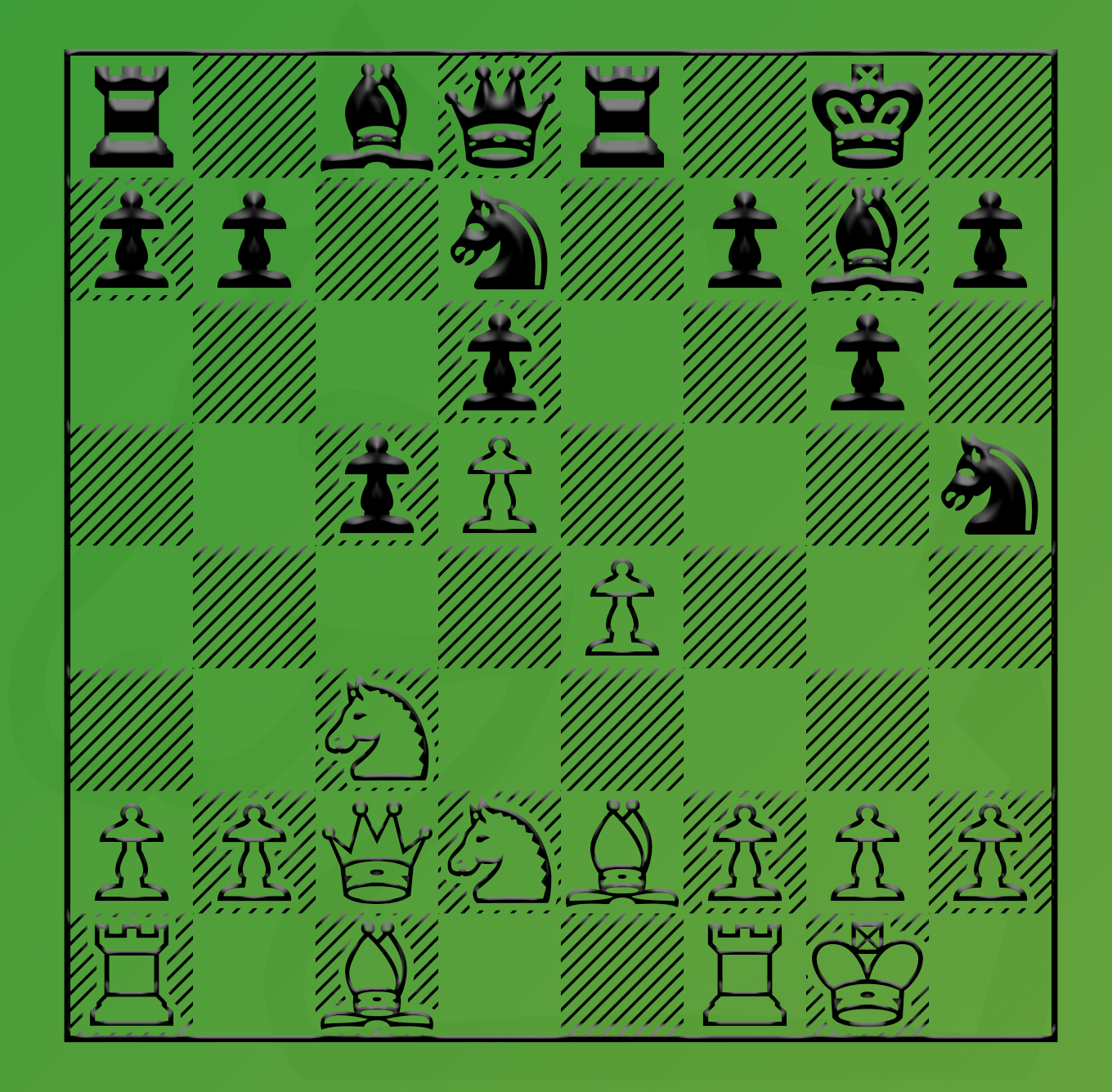
GM Pomar-GM Fischer Havana Ol. Cuba, 1966 [Note: Fischer had to play all his games in this event by telephone due to US restrictions on trade and travel to Cuba. Consequently, all his games took longer to finish than most of the others.] 1.d4 Nf6 2.c4 c5 3.d5 e6 4.Nc3 exd5 5.cxd5 d6 6.e4 g6 7.Be2 Bg7 8.f4 O-O 9.Nf3 Re8 10.Nd2 c4 11.Bf3 Nbd7 12.O-O b5 13.Kh1 a6 14.a4 Rb8 15.axb5 axb5 16.e5 dxe5 17.Nde4 Nxe4 18.Nxe4 Nf6 19.d6 Be6 20.Nc5 e4 21.Nxe4 Nxe4 22.Bxe4 Qb6 23.f5 gxf5 24.Bc2 Qd4 25.Qh5 Qg4 26.Qxg4 fxg4 27.Bg5 Bxb2 28.Rad1 b4 29.d7 Red8 30.Ba4 b3 31.Rfe1 Kg7 32.Bxd8 Rxd8 33.Rd6 Bf6 34.Red1 Bg5 35.Rb6 h6 36.Rc6 Ra8 37.Bb5 Bxd7 38.h4 Bxc6 39.Bxc6 c3 40.hxg5 c2 41.gxh6+ Kh8 0-1
Miguel Cuellar-GM Fischer Sousse Izt. Tunisia, 1967 [Hans Kmoch, “Games from Recent Events”, Chess Review, Jan. 1968.] 1.d4 Nf6 2.c4 c5 3.d5 e6 4.Nc3 exd5 5.cxd5 d6 6.e4 g6 7.Nf3 Bg7 8.Bg5 (Recent experiences with this move are discouraging.) 8…h6 9.Bf4 g5 10.Bc1 (Understandably, White dislikes both trading the Bishop for Knight by 10.Bg3 Nh5 or 10.Be3 Ng4 and 10.Bd2 interfering with his intended Nd2. So the Bishop has, if one may put it so, achieved a but less than nothing.) 10…O-O 11.Nd2 Nbd7 12.Be2 Ne5 13.Nf1 (Apparently hoping to exploit the hole on f5, White again loses time. He ought to castle instead.) 13…b5 (An excellent pawn sacrifice. Here Fischer shows his extra sense for grasping any attacking possibility.) 14.Bxb5 (Declining the sacrifice by 14.Ng3 is no better because of 14…Qa5! 15.O-O and Black has either 15…b4 16.Nb1 c4 17.Nd2 c3 18.bxc3 bxc3 etc., or 15…Bd7 followed possibly by 16.a4 b4 17.Nb1 c4 18.Nd2 Rfc8 19.Qc2 Qc5 etc.) 14…Qa5 15.Ng3 (Black wins on 15.Bd3 Nxd3+ 16.Qxd3 Nxe4 17.Qxe4 Bxc3+ 18.Bd2 Bxd2+ 19.Nxd2 Ba6.) 15…c4 16.O-O Rb8 17.Qa4 Qxa4 18.Bxa4 Nd3 (The swap of Queens has changed the situation, but little. Black has a strong initiative for his Pawn.) 19.Bb5 (A better defense is 19.Rb1 Then 19…Ng4 threatens 20…Bxc3 but is met by 20.Bc2.) 19…Ng4 20.Nge2 Nxc1 21.Raxc1 Ne5 22.b3 cxb3 23.axb3 a6 24.Ba4 Nd3 25.Rc2 f5 26.Ng3 (White makes matters worse: 26.exf5 Bxf5 27.Rd2 is necessary.) 26…f4! 27.Nge2 f3 28.Ng3 fxg2 29.Kxg2 Bg4! (Now Black has positional advantages which must win one way or another.)
30.Nf5 (White loses a piece: but the plausible 30.f3 also loses quickly because of 30…Bxf3+! and 31.Kh3 31…Nf4# or 31.Rxf3 Ne1+ or 31.Kg1 Bd4+ etc. 30.Nd1 may hold out longer but not really for long.) 30…Nf4+ 31.Kg3 (There is no difference after 31.Kg1 but 31.Kh1 allows mate in two.) 31…Bxf5 32.exf5 Bxc3 33.Kf3 (Or 33.Rxc3 Ne2+, and the damage amounts to a full Rook.) 33…Be5 34.Ke4 Rb4+ 35.Rc4 Rfb8 36.f6 Kf7 37.Kf5 Rxc4 38.bxc4 Ne2 39.Re1 Nd4+ 40.Kg4 h5+ 41.Kh3 Kxf6 0-1
GM Spassky-GM Fischer World Ch. Reykjavík, Iceland, 1972 Game #3 [This was the first time ever that Fischer beat Spassky in a game. Immediately following this victory Fischer went on a rampage to win the title.] 1.d4 Nf6 2.c4 e6 3.Nf3 c5 4.d5 exd5 5.cxd5 d6 6.Nc3 g6 7.Nd2 Nbd7 8.e4 Bg7 9.Be2 0-0 10.0-0 Re8 11.Qc2 Nh5!? (A seemingly antipositional move allows White to shatter Black’s kingside pawn structure, but Fischer’s attack proves to be unstoppable as Spassky could not find all the right moves.)
12.Bxh5 gxh5
[It is difficult to state what is the best move for White here. One try is 13.h3 h4 14.a4, placing some pressure on the wings.
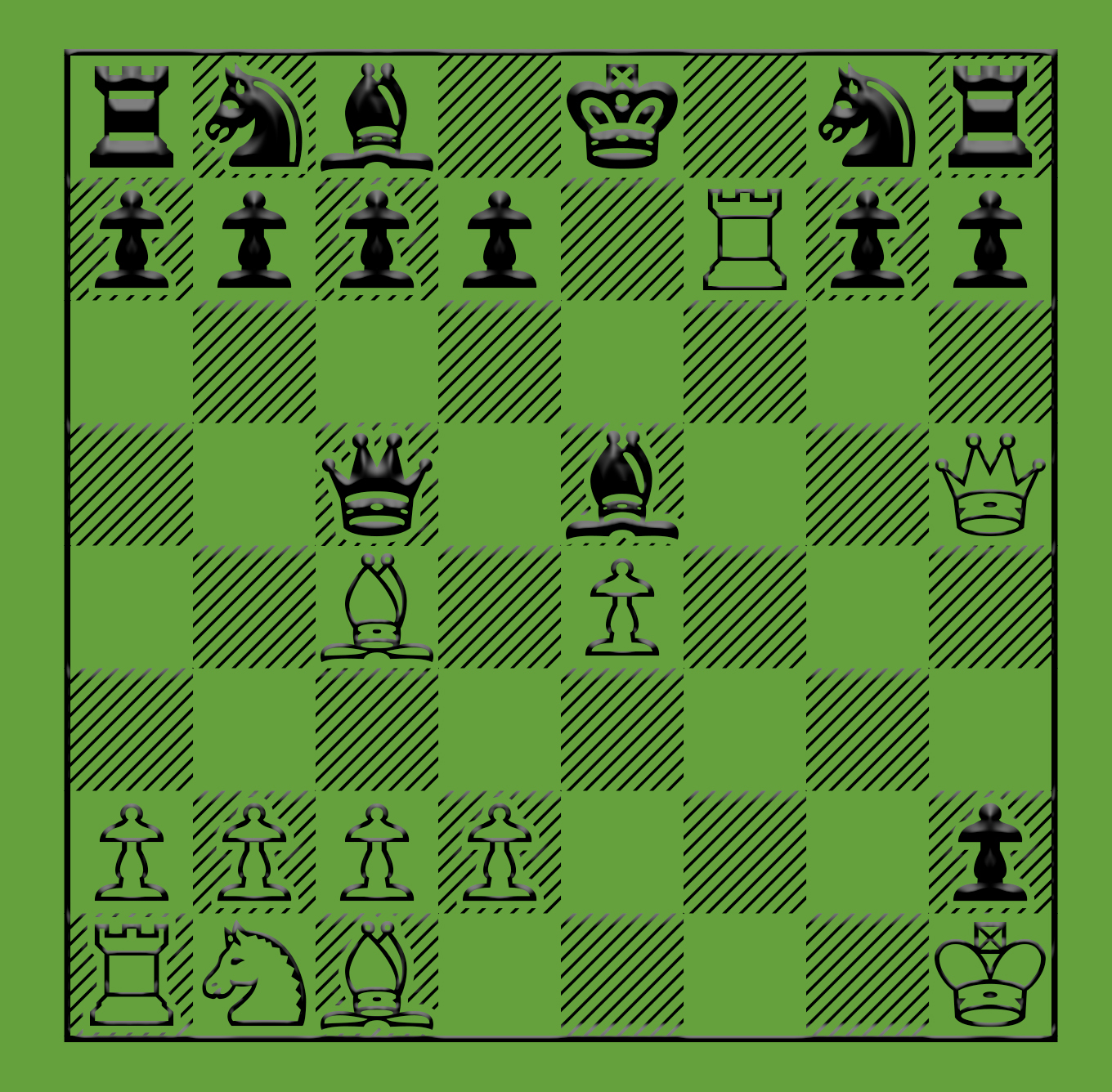
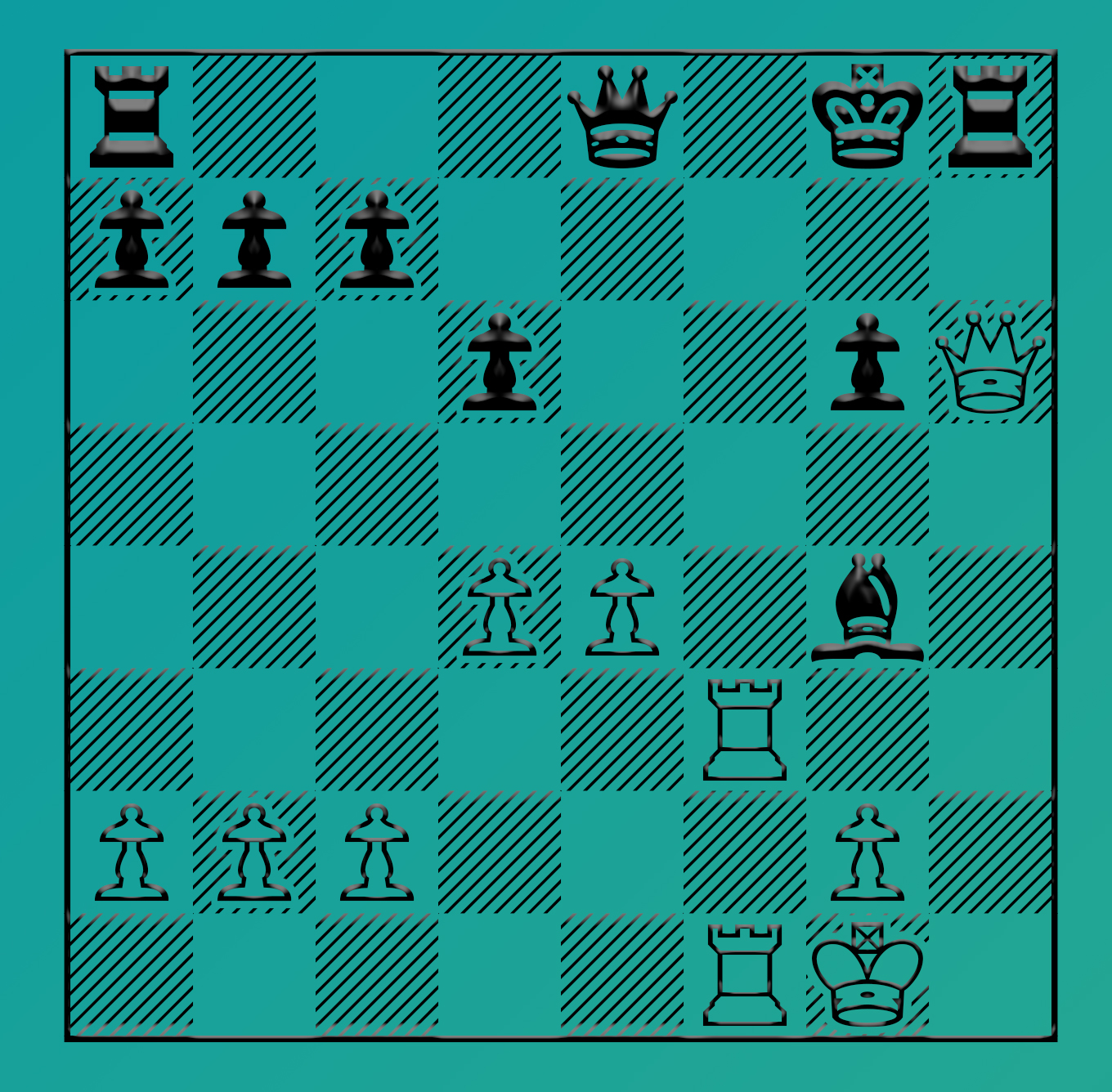
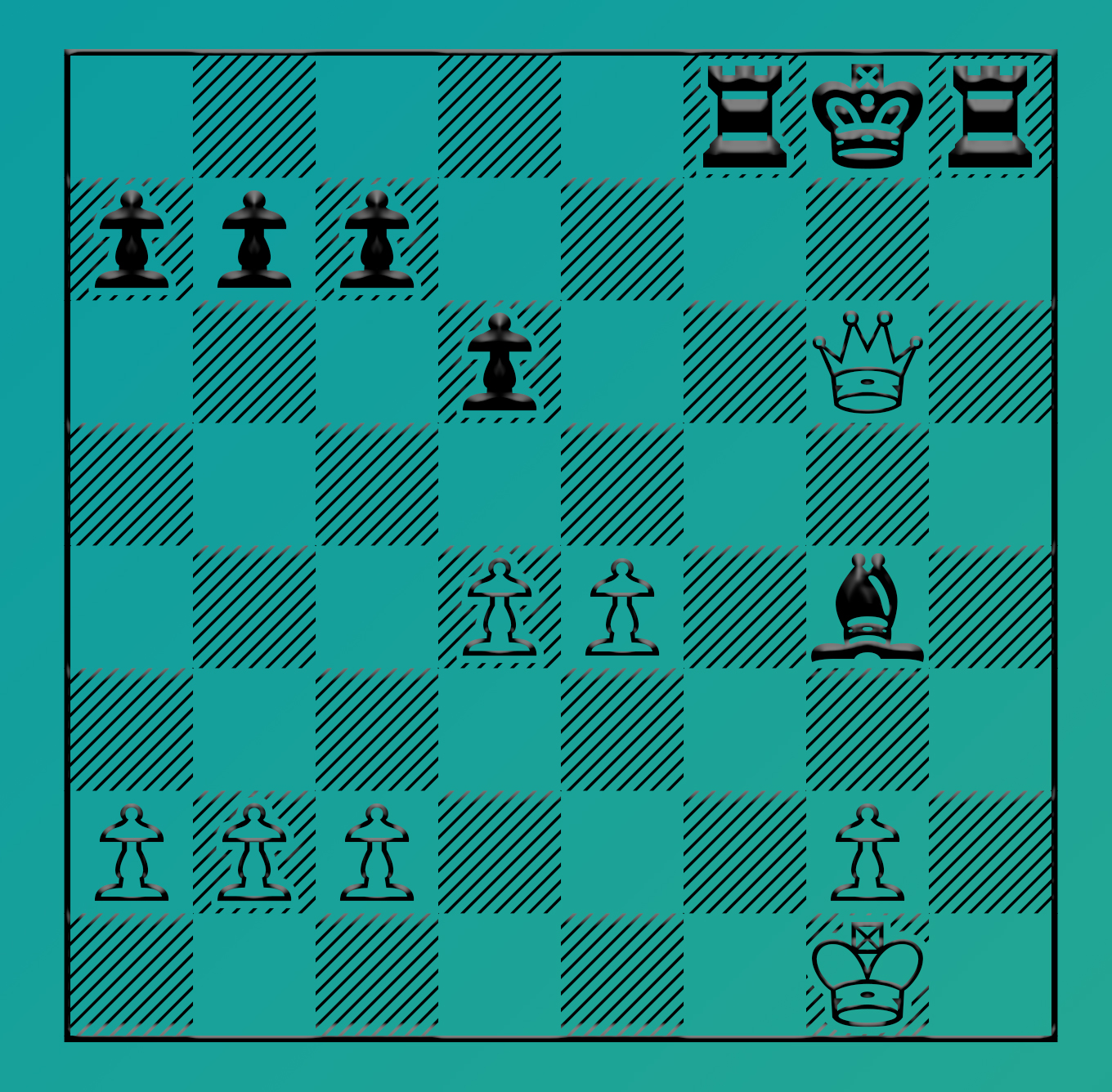
GM Boris Spassky-GM Fischer World Ch.?* Sveti Stefan & Belgrade Yugoslavia, Oct. 10 1992 Game 16 [* – This event is not universally recognized as World Championship by FIDE, the USCF and most other international and national chess organizations. To be fair, this event would be best characterized as an exhibition match. For more information, consult the various Inside Chess issues that covered this event in greater detail. Now on to the game!] 1.d4 Nf6 2.c4 c5 3.d5 d6 4.Nc3 g6 5.e4 Bg7 6.Bg5 h6 7.Bh4 g5 8.Bg3 Qa5 9.Bd3 Nxe4 10.Bxe4 Bxc3+ 11.bxc3 Qxc3+ 12.Kf1 f5 13.Rc1 Qf6 14.h4 g4 15.Bd3 f4 16.Ne2 fxg3 17.Nxg3 Rf8 18.Rc2 Nd7 19.Qxg4 Ne5 20.Qe4 Bd7 21.Kg1 O-O-O 22.Bf1 Rg8 23.f4 Nxc4 24.Nh5 Qf7 25.Qxc4 Qxh5 26.Rb2 Rg3 27.Be2 Qf7 28.Bf3 Rdg8 29.Qb3 b6 30.Qe3 Qf6 31.Re2 Bb5 32.Rd2 e5 33.dxe6 Bc6 34.Kf1 Bxf3 0-1
A couple of decades ago I was reading a short story titled, “The Three Pawns Gambit”. It featured mysticism and the usual crazy chess hero.
But what is the Three Pawns Gambit? Does is lead to insanity? Or, perhaps more important to the average chess player, can you win with it?
Let’s look into it.
To get to the starting point of the three pawn gambit (3PG), you have to begin with the Kings’ Gambit Accepted (1.e4 e5 2.f4 exf4). Then we move onto the Cunningham 3.Nf3 Be7). And then onto one of the many main lines of the Cunningham with 4.Bc4 Bh4+)
And now White usually continues with 5.Kf1.
If White continues instead with 5.g3, then we have reached with position that leads to the 3PG.
Now, wait, you might say, “White has only gambitted only one pawn, not three.
You are correct. But Black almost always takes the second pawn with 5…fxg3. And why not? He is ahead by two pawns and is ready to invade White’s kingside with his pieces.
And now White castles with 6.O-O, offering up a third pawn.
Let’s review all the moves so far as we’ll proceed rapidly from this point.
Newton-V. Jurgenson, 1994 [Escalante] 1.e4 e5 2.f4 exf4 3.Nf3 Be7 4.Bc4 Bh4+ 5.g3 fxg3 6.O-O d6 (6…gxh2+ is considered best. But no matter how good accepting a sacrifice, some players will still decline it.) 7.Bxf7+ (White says, “So if Black won’t take my pawn, he might not take my bishop”. Actually taking the bishop is dangerous due to 7…Kxf7 8.Nxh4+.) 7…Kd7 8.e5 gxh2+ 9.Kh1 Nc6 10.e6+ Ke7 11.Nxh4 Bxe6 12.Bxe6 Kxe6 13.Qg4+ Kd5 14.Nc3+ Kc5 15.d4+ [Interesting is 15.Rf5+!? Kb6 (better, but still leading to mate is 15…Ne5 16.d4+ Kc6 17.d5+ Kd7 18.Rxe5#) 16.Rb5+ Ka6 17.Qa4+ Na5 18.Qxa5#.] 15…Kb6 16.d5 Nf6 17.Be3+ Ka6 18.Qc4+ 1-0
“Ben_Dubuque”-“subhankars”) Blitz Game Chess.com, July 14 2017 [“Ben_Dubuque”] 1.e4 e5 2.f4 exf4 3.Nf3 Be7 4.Bc4 Bh4+ 5.g3 fxg3 6.O-O gxh2+ 7.Kh1 (The Three Pawns Gambit or the Bertin Gambit whichever you prefer.) 7…Be7 (Any move other than d5 is a mistake but d5 still allows White some compensation. Most engines will evaluate the position after d5 as maybe -1 which is surprisingly good considering White is down 3 pawns. 7…d5 8.exd5 Bg4 9.d4.) 8.Bxf7+ Kxf7 9.Ne5+ Ke8 10.Qh5+ g6 11.Nxg6 Nf6 12.Rxf6 Bxf6 13.Nxh8+ Ke7 14.Qf7+ Kd6 15.d4 Bxd4 (15…Qxh8 16.Bf4+ Be5 17.Bxe5+ Qxe5 18.dxe5+ Kxe5 19.Nc3) 16.Bf4+ Be5 17.Qd5+ Ke7 18.Qxe5+ Kf8 19.Bh6+ Kg8 20.Qg7mate 1-0
Two popular responses after 6.O-O gxh2+ 7.Kh1 are 7…Bf6 and 7…Nh6
Reshevsky-Doery Simul Berlin, 1920 [American Chess Bulletin, Nov. 1920, p.170] 1.e4 e5 2.f4 exf4 3.Bc4 Be7 4.Nf3 Bh4+ 5.g3 (A lively continuation that is classified as Capt. Bertin’s Gambit. Steinitz was wont to play 5.Kf1 against Bird, one of the few masters who ever resorted to the Cunningham.) 5…fxg3 6.O-O gxh2+ 7.Kh1 Nh6 (Not to be recommended. The correct move is 7…d5) 8.d4 Qe7 9.Bxh6 gxh6 10.Ne5 Bf6 [The removal of Black’s King’s Knight has left the King’s Bishop’s pawn woefully weak and Rzeschewski (i.e. Reshevsky RME) knows full well how to take advantage.] 11.Qh5 Rf8 12.Nxf7 (In this fashion does the little fellow make the chess the “child’s play” which is beyond the comprehension of many who are highly accomplished along other lines, but cannot quite grasp the fundamentals of chess strategy.) 12…Qxe4+ (Rzeschewski had calculated upon the sacrifice of a piece and the gain of more than it’s equivalent a few moves later, viz.: 12….RxN; 13.BxR+ QxB, 14.QxQ+ KxQ 15.e5, etc.) 13.Kxh2 Qxc2+ 14.Kg3 (Fearlessly the White King marches out into the open. He does not dread Rg8+, for in that case the Knight is withdrawn with discovered check.) 14…Bh4+ (Black is in desperation, but if, to avoid the discovery, he were to play …Ke7, then Re1+ would force mate.) 15.Qxh4 Qxc4 16.Qd8mate (Short shift is meted out to the presumptuous one who takes a chance on anything escaping the keen eyes of the small “grand-master” as he was dubbed in Vienna two years ago.) 1-0
Dus Chotimirsky-Robine Hamburg, 1910 [Escalante] [White has a won game after his 12th move. But how he wins it is spectacular.] 1.e4 e5 2.f4 exf4 3.Nf3 Be7 4.Bc4 Bh4+ 5.g3 fxg3 6.O-O gxh2+ 7.Kh1 d5 8.exd5 Bf6 9.d4 Ne7 10.Ng5 h6? 11.Nxf7! Kxf7 12.d6+ +- Kf8 13.Qh5 Qe8
Who should win this crazy opening? The answer, like in so many other openings, is the better player should win. All that you must do is to become the better player.
Epaulette mate involves a king, flanked and blocked by two pieces on both sides of him, and cannot move backwards, facing a queen that is mating him.
This is a long definition of the epaulette mate, but trust me, it is necessary.
Like many attacking motifs, the best person to start it all off is Morphy. He appears to be the first master to use it in a game.
Just one little twist before we start. Please remove that knight on b1 prior to that start of the game. Otherwise, White can’t play his twelfth move, which helps setting up the final combination.
Morphy-N.N. New York, 1857 [Nb1] 1.e4 e5 2.f4 exf4 3.Nf3 g5 4.Bc4 g4 5.d4 gxf3 (Morphy was known for his attacking abilities. He starts off with a piece down before the game even starts and then proceeds to give up another piece.) 6.O-O Bh6 7.Qxf3 Nc6 8.Bxf7+ (And now a third piece.) 8…Kxf7 9.Qh5+ Kg7 10.Bxf4 Bxf4 11.Rxf4 Nh6 12.Raf1 Qe8 13.Qh4 d6 14.Qf6+ Kg8 15.Qxh6 Bd7 16.R4f3! Ne7 17.h4 Ng6 18.h5 Bg4 19.hxg6 hxg6
20.Rf8+! Qxf8 21.Rxf8+ Rxf8 22.Qxg6mate
1-0
This mating pattern has been used, reused, and enhanced in the more than 150 years of chess since this first game. Two of the more well-known games (other than Morphy’s) are given below.
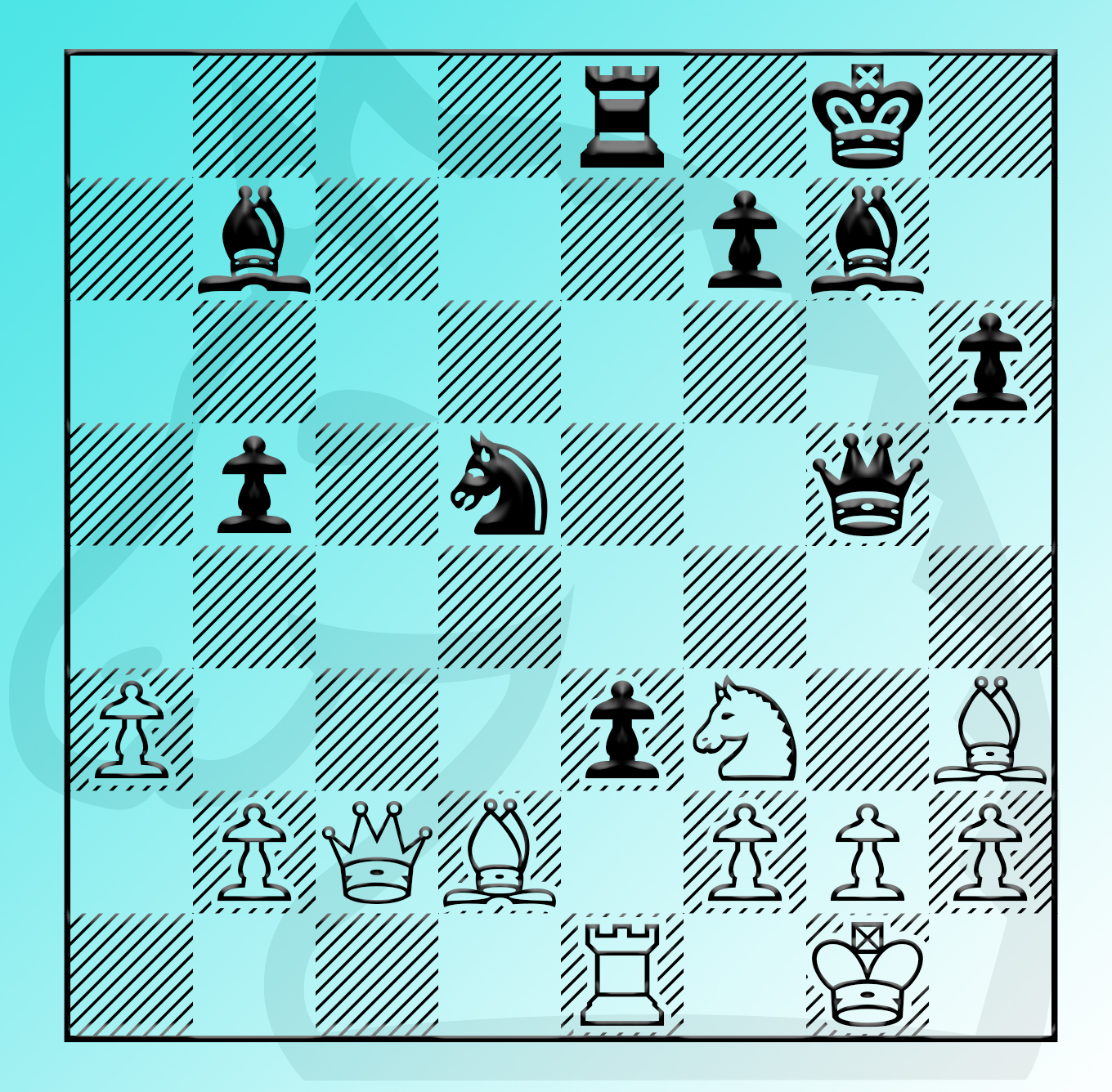
GM Alexei Dmitriyevich Fedorov-GM Alexander Lastin Perm, 1997 1.e4 c6 2.d4 d5 3.e5 Bf5 4.Nc3 Qd7?! 5.Be3 h6 6.h3 e6 7.Nf3 Bb4 8.Qd2 Ne7 9.a3 Ba5 10.b4 Bc7 11.Be2 Qd8 12.O-O Nd7 13.Nh4 Bh7 14.f4 Nb6 15.Bd3 Qd7 16.Qe2 O-O-O 17.a4 Kb8 18.a5 Nc4 19.Na4 b6 20.axb6 axb6 21.Rfb1 Kc8 22.Nf3 f6 23.Nd2 Bxd3 24.Qxd3 Qe8 25.Nxc4 dxc4 26.Qxc4 Nd5 27.Qa6+ (White wants to bring Black’s king back into the center where it will be easier to attack.) 27…Kd7 28.Bd2 Qg6 29.Qc4 fxe5 30.fxe5 Qe4 31.Re1 Qh4 32.b5 c5 33.Nc3 Rhf8 34.Ne4 Ke8 35.dxc5 Nf4? (You can probably figure out the rest of the game by now.)
36.Bxf4! Qxf4 37.Qxe6mate 1-0
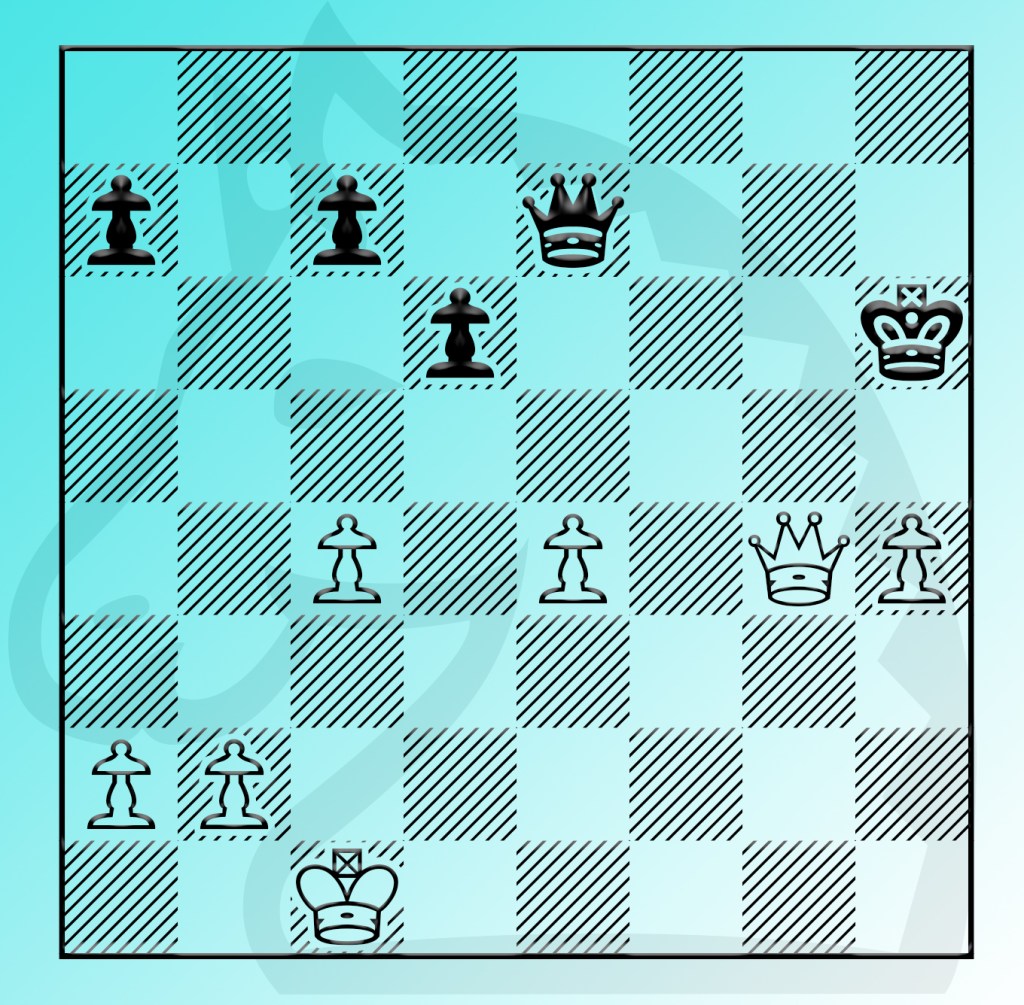
While it may seem that Black’s king on must be stuck on back rank for the epaulette mate to occur, this is not necessarily true. The mate can also occur sideways. Here is an example.
First, let’s talk about the name of the gambit. Many players are convinced that AMAR is an acronym for Absolutely Mad And Ridiculous. And they are at least half correct, it is an absolutely mad and ridiculous opening. But the opening is named after Charles Amar, a 1930s player from Paris.
What makes this opening so bad? Well, the opening starts with 1.Nh3. And with this move White gives up his claim for the center, loses a tempo with his knight, and retards his own development.
Black probably has the advantage after either 1…e5 or 1…d5.
After 1.Nh3 d5, the game can continue with 2.g3 e5 3.f4, and the position of the AMAR gambit has been reached. Let’s see what White has done. With 2.g3 and 3.f4, he not only has the same problems as before, but has also tacked on a few more problems. His kingside is considerably weakened, he has open lines to his king, namely the d8-h4 diagonal (the same one used in Fool’s Mate), and he has sacrificed (lost?) a kingside pawn.
What has White gotten for all this mess? If Black plays 3…exf4, then White can win back the f-pawn with 4.Nxf4. He then has an OK position for his knight. And White can try castling.
Black, however, doesn’t have to play 3…exf4, leaving White with an entirely lost position. White can still try to castle kingside and maybe have some play along the f-file. But he usually doesn’t have the time to castle or make any long-term plans.
Really, White does better with the King’s Gambit.
~~~~~~~~~~~~~~~~~~~~~~~
AMAR Gambit
1) 3.f4 2) 3.f4 exf4 4.Nxf4 3) 3.f4 Bxh3
AMAR-1 3.f4
Black can decline the gambitted pawn. While there is nothing wrong with this approach, Black has stronger moves.
Certainly Black can take the pawn. Well, he ends up with a much better position than White, who finds himself on the defensive. It is not known if this is a forced win for Black, but it is close to one.
Snyder-Kohler corres., 197? 1.e4 e5 2.Nf3 Nc6 3.Bb5 d6 4.d4 a6 5.Ba4 b5 6.Bb3 h6 7.c3 Nf6 8.Bc2 Bb7 9.O-O exd4 10.cxd4 Be7 11.Re1 O-O 12.Nbd2 (White keeps developing. The knight move is defending his king and can opens the way for the knight to play a part in a kingside attack.) 12…Na5 (This knight is not doing anything useful here. When Black brings it back he has lost two tempi.) 13.Nf1 (This knight is heading for more active duties on the kingside.) 13…Nc4 14.Ng3 Re8 15.Nf5 Nb6 16.Bxh6 gxh6 17.Nxh6+ Kf8 18.Ng5 Qd7 19.Ngxf7 Kg7 20.Qd3 Nxe4 21.Rxe4 (Black has floated into a lost position. White sacrifice is easy as he has his eyes on the king.) 21…Bxe4 22.Qg3+ (Because of 22…Kf6 23.Qg5+ Ke6 24.Qg4+ Kf6 25.Qxe4) 1-0
There are a number of ways to lose a game of chess. There is checkmate, there is resignation, and there is running out of time.
Losing on time is perhaps the most embarrassing as it feels your opponent has not beaten you. Instead you beat yourself; you didn’t make your all moves in time, even when you only had to make legal moves.
Now this is forgiven if you are playing a blitz game, as even the best can lose on time. Maybe you can blame you didn’t have enough time to begin with or you have arthritis.
But we are talking about a tournament game where the time limit is typically two hours.
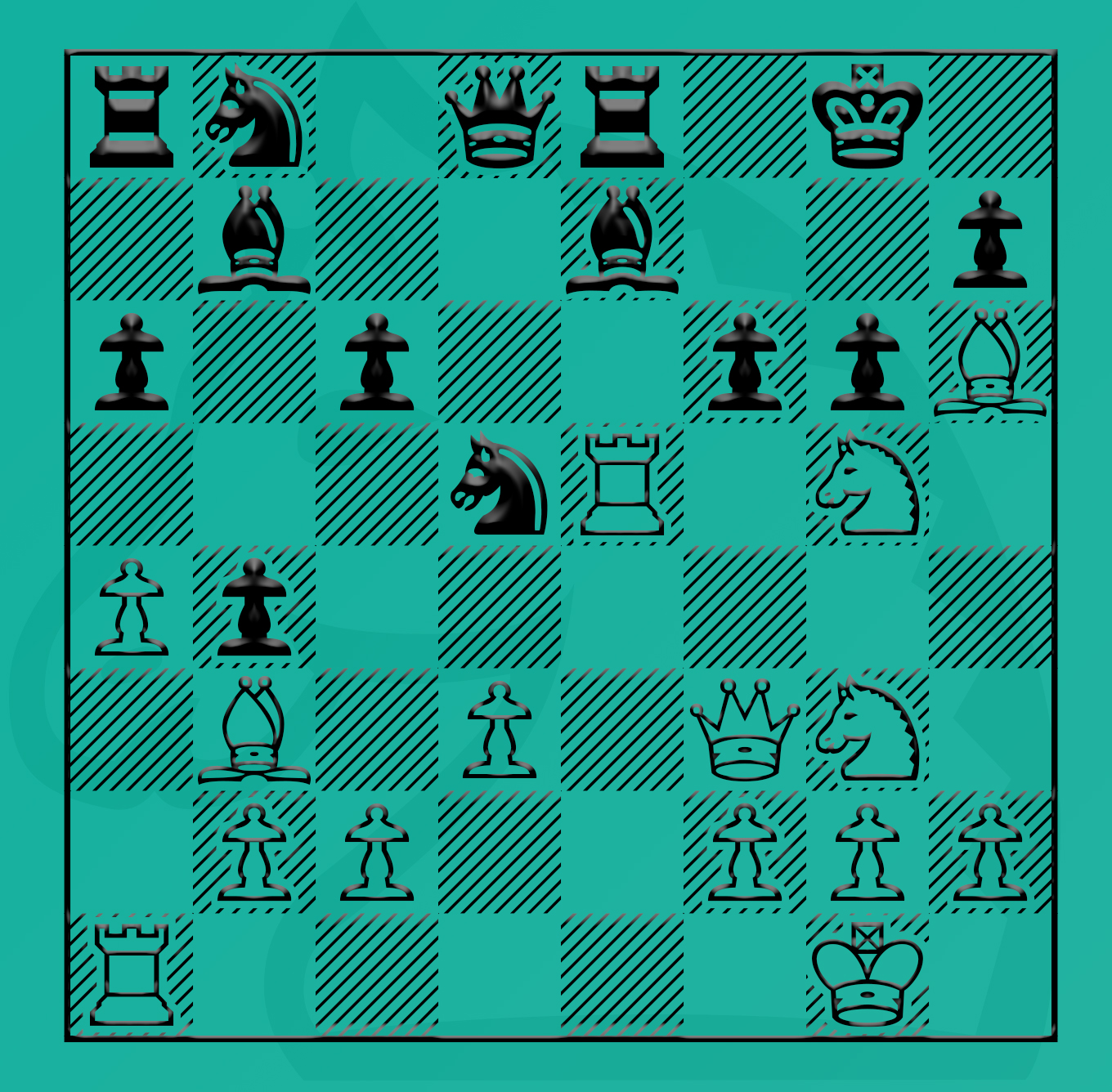
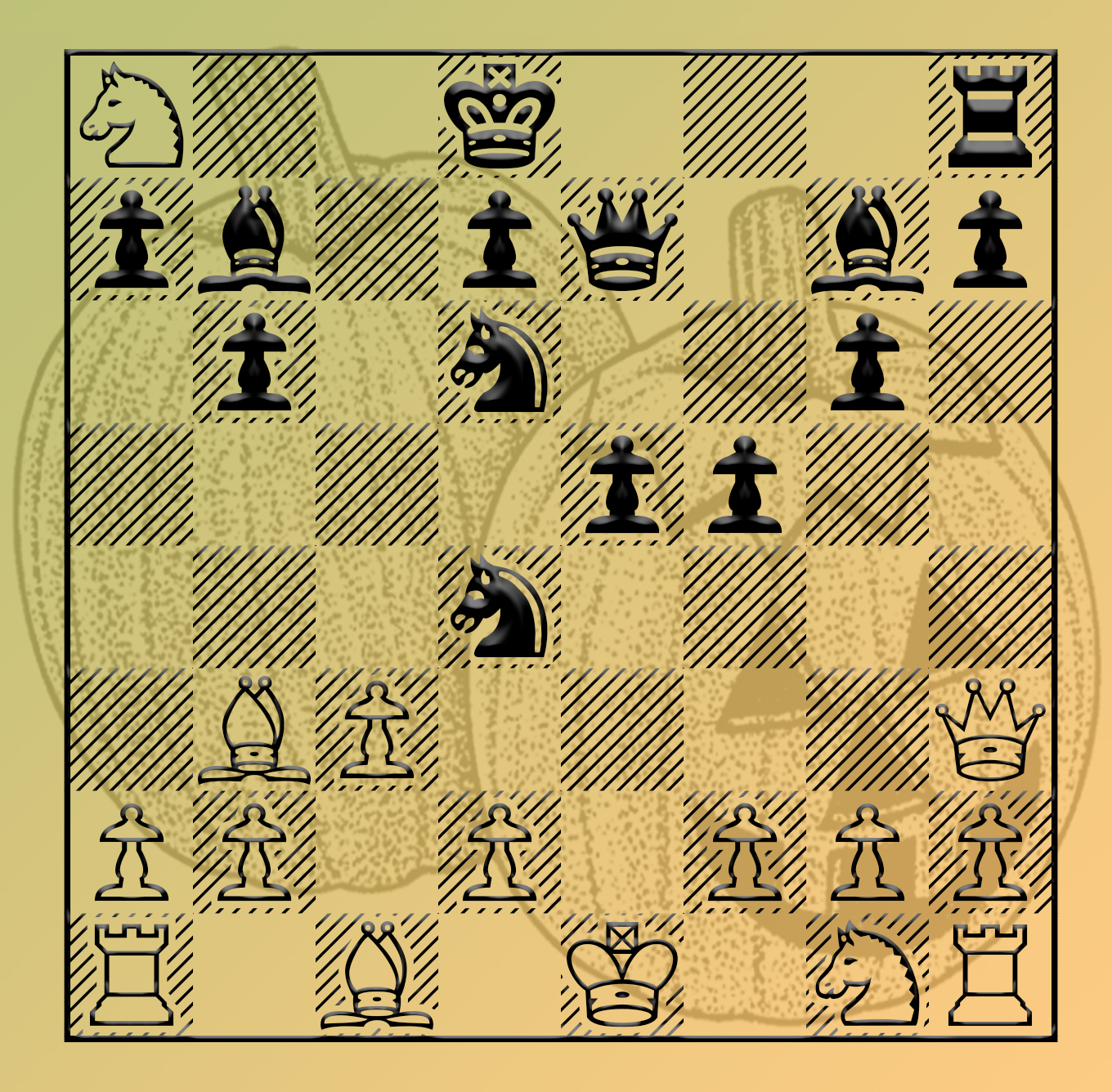
29…Bd4!! (29…exf2+? 30.Kxf2 Bd4+ 31.Nxd4 Qh4+ 32.Kf1 Rxe1+ 33.Bxe1 Ne3+ 34.Ke2 +/-) 30.Kf1! (30.Nxg5?? exf2+ 31.Kf1 fxe1=Q+ 32.Bxe1 Ne3+ -+) 30…Qf6! 31.Qd3 e2+!? 32.Rxe2 Rxe2 33.Qxe2 Bxb2 34.Bxh6 (34.Qxb5?? Ba6 -+) 34…Bxa3? 35.Qe8+ Kh7 36.Bg5 Qa1+ 37.Ne1 Kg7 38.Bg4 Bb4 39.Bf3?? (It appears both players are short of time here. 39.Bh5! Qxe1+ 40.Qxe1 leads to +/- or +- for White. The problem for Black is that White makes his 39th move, even if it is a blunder, and Black doesn’t. He loses on time here.) 1-0 Time/Zeit (Mestel also noted that 39…Ne7! 40.Bd2 Bxd2 41.Qxe7 Ba6 -+ wins for Black, if he had the time.)
GM Donald Byrne-GM Pal Benko US Ch. New York, 1966 [IM Hans Kmoch, “Catastrophic U-Turns”, Chess Review, June 1967] 1.c4 g6 2.g3 Bg7 3.Bg2 e5 4.Nc3 Ne7 5.e4 d6 6.d3 Nbc6 7.Nge2 f5 8.Nd5 O-O 9.Be3 h6 10.Qd2 g5 11.Nxe7+ Nxe7 12.f4 gxf4 13.gxf4 Ng6 14.O-O-O Qh4 15.Rdf1 fxe4 16.Bxe4 Nxf4 17.Bxf4 exf4 18.Nxf4 Bf5 19.Ng2 Qh5 20.Bf3 Qg5 21.Nf4 Bd4 22.h4 Qg7 23.Ne2 Kh7 24.Bxb7 (White takes the Pawn with no loss of tempo: his advantage is decisive.) 24…Rae8 25.Nxd4 Qxd4 26.Rf3 Bg4 27.Rg3 h5 28.Be4+ Rxe4 (… 28…Kg7 fails against 29. Qg5+ and 30.Bd5+.) 29.dxe4 Qe5 30.Rhg1 Rf4 31.Qd5 Qe7 (31…Qxd5 32.exd5 Rxc4+ 33.Rc3) 32.Rxg4! hxg4 33.Qh5+ Kg7 34.Rxg4+ Rxg4 35.Qxg4+ Kh6 0-1
(But there is hope beyond hope. White exceeds the time limit. A must peculiar U-Turn. After 36.b4, White can victoriously trade Queens by force: 37.Qg5+ or 36…Qe8 37.h5.)
Just like any other field of competition, there are bad sports. Some players, who in finding out that they are losing, walk out of the game. Then the game is recorded as a time loss.
Steinitz-Von Bardeleben Hastings 1895 [Tartakower, 500 Master Games, #7] 1.e4 e5 2.Nf3 Nc6 3.Bc4 Bc5 4.c3 Nf6 5.d4 exd4 6.cxd4 Bb4+ 7.Nc3 d5 8.exd5 Nxd5 9.O-O Be6 9.O-O Be6 (After this move which, to all appearances, is perfectly sound, Black loses his chance of castling. He should, at all costs, have played 9…Bxc3, and then completed his development.) 10.Bg5 Be7 11.Bxd5 Bxd5 12.Nxd5 Qxd5 13.Bxe7 Nxe7 14.Re1 f6 15.Qe2 Qd7 16.Rac1 c6 17.d5 (A fine vacating sacrifice. The square d4 is made available to the Knight, thus greatly intensifying the attack.) 17…cxd5 18.Nd4 Kf7 (Black has almost castled, but not quite.) 19.Ne6 (Threatening 20.Rf7) 19…Rhc8 20.Qg4 g6 21.Ng5+ Ke8 22.Rxe7+ [An amazing continuation! All of White’s pieces are en prise and Black threatens Rxc1#. Yet he cannot take the checking Rook, 22…Qxe7 23.Rxc8+, Rxc8 24.Qxc8+, and White remains a piece ahead. The variations resulting from 22…Kxe7 show an astounding degree of precision, which was required of White, before he could venture on the move in the text, e.g. 22…Kxe7 23.Re1+ Kd6 24.Qb4+ Rc5 (24…Kc6 25.Rc1# ; 24…Kc7 25.Ne7+ Kb8 26.Qf4+) 25.Re6+, and wins. In this beautiful combination the Rook remains en prise for several moves until Black, compelled to capture it, succumbs to a mating attack.] 22…Kf8 23.Rf7+ Kg8 24.Rg7+ (Tartakower doesn’t mention this, but at this point von Bardeleben walked out of the hall and did not return. His game was forfeited after his clock ran out of time fifty minutes later. Steinitz demonstrated immediately afterward following forced moves which Tartakower now refers. “Mate in eleven moves can be prevented only at ruinous cost in materials. 24…Kh8 25.Rxh7+ Kg8 26.Rg7+ Kh8 27.Qh4+ Kxg7 28.Qh7+ Kf8 29.Qh8+ Ke7 30.Qg7+ Ke8 31.Qg8+ Ke7 32.Qf7+ Kd8 33.Qf8+ Qe8 34.Nf7+ Kd7 35.Qd6#”.) 1-0
But is it important to note if a game has been decided by a time loss? Let’s take a look at the following game.
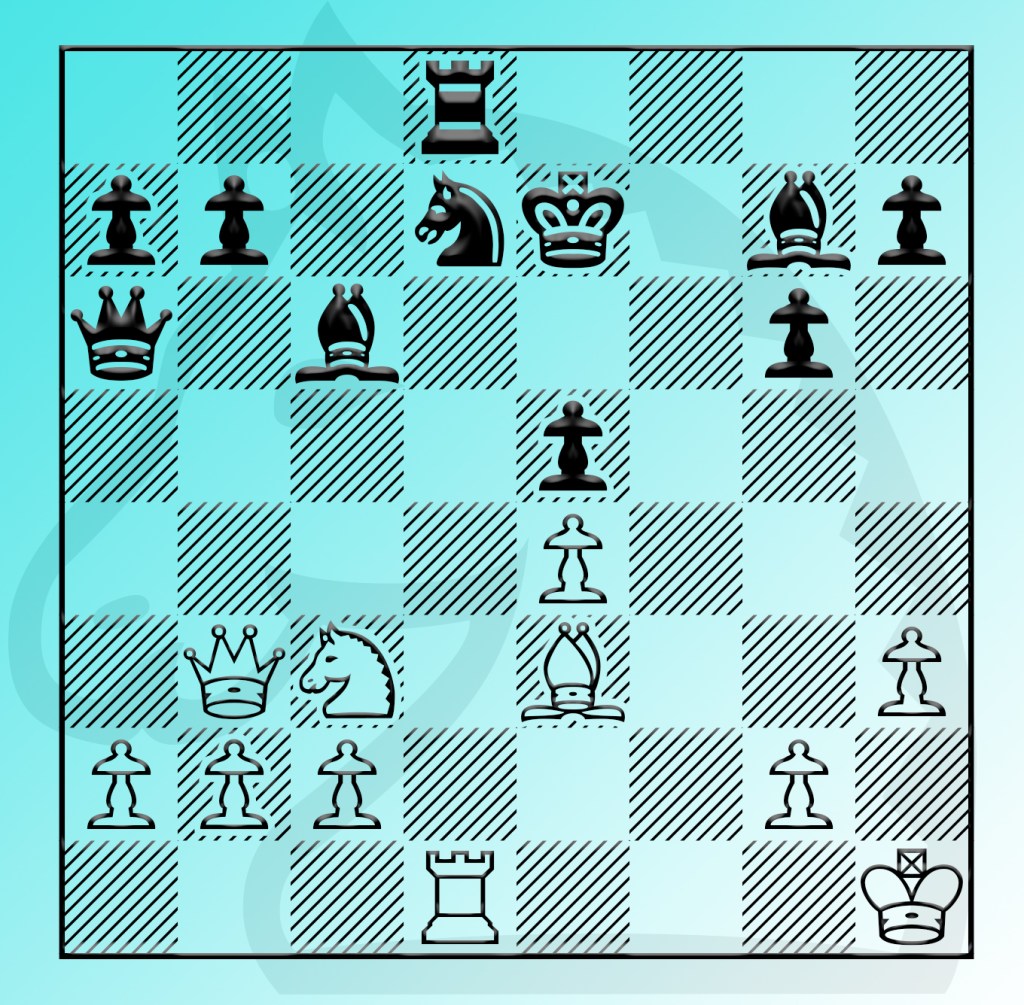
21.Qb4+ Kf7 [21…Ke8 22.Qb3 (with the idea of Qg8+) Ke7 23.Qb4+ starts another perpetual checking sequence, while 21…Kf6!? 22.Rd6+ Kf7 23.Qb3+ Kf8 24.Kg1 (not 24.Qb4? Kg8!) is probably another draw.] 22.Qb3 Ke7 23.Qb4+ 22.Qb3+ Ke7 23.Qb4+ Kf7 24.Qb3+ Ke7 25.Qb4+ 1-0 (This position is drawn and the game should be declared a draw. So, why is the result given as White win? Did Black actually resign? It is difficult to believe Black lost on time. What happened?)
So, what to do? At least for games where the result is based on time, and not necessarily position? Do we continue to present games that are time losses without indicating that this is exactly what happened? It seems a giant waste of time to analyze a position when there is no clue why a player lost. A little symbol indicating a time loss would be welcomed.
Using Time/Zeit is a good start, as Mestel did. But even better is just using a capital T (as Z is the symbol for Zugzwang).
Back in 1993, when correspondence chess was played on postcards, Alina Markowski (a well-practiced organizer) set up a correspondence team to compete in the Correspondence Chess League of America (CCLA) team championship.
The team was known as the Kalifornia Kings. Jeff Arnold (an extremely likeable young man) took first board. I took second board, and the team finished third (if my memory is correct).
Jeff was not only a Master in correspondence chess, but also one in OTB.
This is perhaps his most famous game. Unfortunately, there is a little confusion about the exact date and location. NM Jerry Hanken suggests it was played in the Southern California Open, which means the game must have been played in Los Angeles in September of that year. Mr. Hanken has since passed away.
The account given in the Chess Correspondent (the magazine of the CCLA) of the same year (1997) claims the game was played at a North County Open, which would put that game in Oceanside, California. Personally I think the game was probably played in Oceanside, but I don’t know.
Does any reader know the details of the game? Please share your insights here.
Thank you!
And now the game (hold on to your seatbelts – it’s quite a ride! 🙂
NM Jeff Arnold-Harish (1975) California, 1993 [Jerry Hanken, Rank and File, March/Apr. 1997 (JH) ; The Chess Correspondent, 1997 (CC)] 1.e4 e5 2.Nf3 Nc6 3.Bb5 a6 4.Ba4 Nf6 5.O-O Be7 6.Re1 b5 7.Bb3 O-O 8.a4 Bb7 9.d3 d6 10.Nc3 b4 11.Ne2 Nb8 (11…Na5 12.Ba2 would return to the more usual continuations in this variation. – CC) 12.Ng3 (Considering the problems Black is likely to face before he can get his bishop to g7, namely a knight settling on g5, he probably would have done better to regroup with 12…Nfd7 only playing …g6 after his bishop was sitting on f6. – CC) 12…g6 (? Up to now, Back’s moves, though not the best, have been reasonable.12…Nbd7, followed by 13…Nc5 allows White only a tiny edge. – JH) 13.Bh6 [!? 13.c3!? (Arnold). I like 13.Bh6 better, although it will involve some hazardous sacrifices. 13.Bh6 lets Black know that his f7 also requires defending. – CC] 13…Re8 14.Ng5 d5 (What else can Black do? White now wins the pawn on e5. – JH) 15.exd5 Nxd5 [? “15…Bxd5 is better.” (Arnold) True, although Black hasn’t escaped all his problems. After 16.c4 bxc3 (also 16…Bb7 doesn’t quite work. 17.Rxe5 Nfd7 18.Re3 Bxg5 19.Rxe8+ Qxe8 20.Bxg5 just nets a pawn although it is bit backward!) 17.bxc3 Bf8 18.Bxf8 Kxf8 (or 18…Rxf8 19.Rxe5 Bxb3 20.Qxb3 the pawn on d3 is taboo: 20…Qxd3 21.Rd1) 19.N3e4, Black’s position is still under considerable pressure. – CC] 16.Rxe5 f6 (Black does not believe White has won a pawn and avoids 16…c6 in what now becomes a classic attack! – JH) 17.Qf3 (! – JH) 17…c6 (Too late! – JH.)
18.Nh5 [! “Good Knight!” (Arnold) – CC ; ! White has two pieces en prise. So, of course, he puts a third one into the pot! If 18…fxe5 19.Qf7+ and if 18…gxh5 19.Ne6 decides quickly. So …- JH] 18…fxg5 [If 18…gxh5 I had planned 19.Bxd5+ (Here Chess Life’s Jerry Hanken analyzed wrong. 19.Ne6 does not decide quickly. What about 19…fxe5 20.Nxd8 or 20.Qg3+ Kf7? Although this looks winning it is a lot slower.) 19…cxd5 20.Qf5 fxg5 21.Qe6+ Kh8 22.Qf7 Rg8 23.Rxe7 +- (Arnold)] 19.Nf6+ (! – CC) 19…Kh8 (If 19…Bxf6 20.Rxe8+ Qxe8 21.Qxf6 then it’s mate on g7 or f8. – JH) 20.Nxd5 Nd7 (If 20…cxd5 21.Qf7 and crunch! – JH) 21.Qf7 (Crunch anyway! – JH) 21…Bf8 22.Nf6 (Mate threat on g8! – JH ; ! Of course, the knight can’t be taken. If 19…Bxf6 20.Rxe8+ Qxe8 21.Qxf6 Black can’t defend the threatened mate on g7 without allowing an equally unpleasant fate on f8. – CC) 22…Nxf6 23.Rxe8 Qd7 24.Bg7mate 1-0
The same game in PGN
[Site “California”] [Date “1993”] [White “NM Jeff Arnold”] [Black “Harish (1975)”] [Result “1-0”] [Source “Jerry Hanken, Rank and File, March/Apr. 1997 (JH) ; The Chess Correspondent, 1997 (CC)”] {Jerry Hanken, Rank and File, March/Apr. 1997 (JH) ; The Chess Correspondent, 1997 (CC)} 1.e4 e5 2.Nf3 Nc6 3.Bb5 a6 4.Ba4 Nf6 5.O-O Be7 6.Re1 b5 7.Bb3 O-O 8.a4 Bb7 9.d3 d6 10.Nc3 b4 11.Ne2 Nb8 {11…Na5 12.Ba2 would return to the more usual continuations in this variation. – CC} 12.Ng3 {Considering the problems Black is likely to face before he can get his bishop to g7, namely a knight settling on g5, he probably would have done better to regroup with 12…Nfd7 only playing …g6 after his bishop was sitting on f6. – CC} g6 {? Up to now, Back’s moves, though not the best, have been reasonable.12…Nbd7, followed by 13…Nc5 allows White only a tiny edge. – JH} 13.Bh6 {!? 13.c3!? (Arnold). I like 13.Bh6 better, although it will involve some hazardous sacrifices. 13.Bh6 lets Black know that his f7 also requires defending. – CC} 13…Re8 14.Ng5 d5 {What else can Black do? White now wins the pawn on e5. – JH} 15.exd5 Nxd5 {? “15…Bxd5 is better.” (Arnold) True, although Black hasn’t escaped all his problems. After 16.c4 bxc3 (also 16…Bb7 doesn’t quite work. 17.Rxe5 Nfd7 18.Re3 Bxg5 19.Rxe8+ Qxe8 20.Bxg5 just nets a pawn although it is bit backward!) 17.bxc3 Bf8 18.Bxf8 Kxf8 (or 18…Rxf8 19.Rxe5 Bxb3 20.Qxb3 the pawn on d3 is taboo: 20…Qxd3 21.Rd1) 19.N3e4, Black’s position is still under considerable pressure. – CC} 16.Rxe5 f6 {Black does not believe White has won a pawn and avoids 16…c6 in what now becomes a classic attack! – JH} 17.Qf3 {! – JH} 17…c6 {Too late! – JH.} 18.Nh5 {! “Good Knight!” (Arnold) – CC ; ! White has two pieces en prise. So, of course, he puts a third one into the pot! If 18…fxe5 19.Qf7+ and if 18…gxh5 19.Ne6 decides quickly. So …- JH} 18…fxg5 {If 18…gxh5 I had planned 19.Bxd5+ (Here Chess Life’s Jerry Hanken analyzed wrong. 19.Ne6 does not decide quickly. What about 19…fxe5 20.Nxd8 or 20.Qg3+ Kf7? Although this looks winning it is a lot slower.) 19…cxd5 20.Qf5 fxg5 21.Qe6+ Kh8 22.Qf7 Rg8 23.Rxe7 +- (Arnold)} 19.Nf6+ {! – CC} Kh8 {If 19…Bxf6 20.Rxe8+ Qxe8 21.Qxf6 then it’s mate on g7 or f8. – JH} 20.Nxd5 Nd7 {If 20…cxd5 21.Qf7 and crunch! – JH} 21.Qf7 {Crunch anyway! – JH} 21…Bf8 22.Nf6 {Mate threat on g8! – JH ; ! Of course, the knight can’t be taken. If 19…Bxf6 20.Rxe8+ Qxe8 21.Qxf6 Black can’t defend the threatened mate on g7 without allowing an equally unpleasant fate on f8. – CC} 22…Nxf6 23.Rxe8 Qd7 24.Bg7# 1-0
You might not find it in a magazine. And you might not find it in a book. But there is a gambit that seems appropriate for Halloween. It is known as the Frankenstein-Dracula Variation (or FDV for short).
In this gambit (perhaps attack would be more descriptive), Black gives up a rook and a few pawns and then proceeds to gain control over a large portion of the board and threatens White’s queen in numerous ways.
Is it any good? Let’s check it (sorry, bad pun) out.
L. Janse-GM J. Hector Paskturneringen Open Sweden, Apr 20 2019 1.e4 e5 2.Nc3 Nf6 3.Bc4 Nxe4 4.Qh5 Nd6 5.Bb3 Nc6 6.Nb5 g6 7.Qf3 f5 8.Qd5 Qe7 9.Nxc7+ Kd8 10.Nxa8 b6 11.Nxb6 axb6 12.d3 (White wants to develop his Bc1. As events will show White will not have the time to develop this bishop. 12.Ne2 is the better choice.) 12…f4 13.Qf3 Nd4 14.Qd1 Bb7 15.Nf3 Nxf3+ 16.gxf3 Nf5 17.h4 Nxh4 18.Rh3 Qg5 19.Qe2 Bc5 20.Kd2 Qh5 21.Rxh4 Qxh4 22.Qxe5 Re8 23.Qb8+ Bc8 24.Bc4 Bb4+ 0-1
Ray Bott-Roger D de Coverly Match, Game 7 London, 1988 1.e4 e5 2.Nc3 Nf6 3.Bc4 Nxe4 4.Qh5 Nd6 5.Bb3 Nc6 6.Nb5 g6 7.Qf3 f5 8.Qd5 Qe7 9.Nxc7+ Kd8 10.Nxa8 b6 11.Qf3 Bb7 12.Qh3 Nd4 13.c3 Bg7?!
14.Bd1? (White has to play 14.cxd4 and while Black runs wild over the board with his pieces, he is doing so with one less piece. White’s sole developed piece, his queen, is stuck in the open and becomes a target. The end is swift.) 14…Ne6! 15.d3 Bxa8 16.Ne2 f4 17.Kf1 Ng5 18.Qh4 Nf5 0-1
I errored in stating that you might not be able to find this opening in a book. But here is a link to such a book. The book is a few years old, and yet still relevant.













 The Gambit Chess Player