Lesser GM?

Like most chess players I am a fan of some of the greats; namely Fischer, Alekhine, and Tal.


But I also enjoy the lesser known greats, those IMs and GMs who occasionally can take an original route in the opening, explore what is there to find, and promote original theory.


One of those is the Finnish GM, Jouni Yrjola. He won his country’s championship in 1985 and 1988. And his flair for unexplored openings didn’t prevent him from earning the IM title (1984) or the GM title (1990).


More importantly, at least to this blogger, is that today is his birthday.


Happy Birthday Jouni!

~~~~~~~~~~~~~~~~~~~~~~~~~


Here is Yrjola, playing against a former World Champion.


IM Jouni Yrjola-GM Mikhail Tal
TV exhibition game, 1986
[D44]
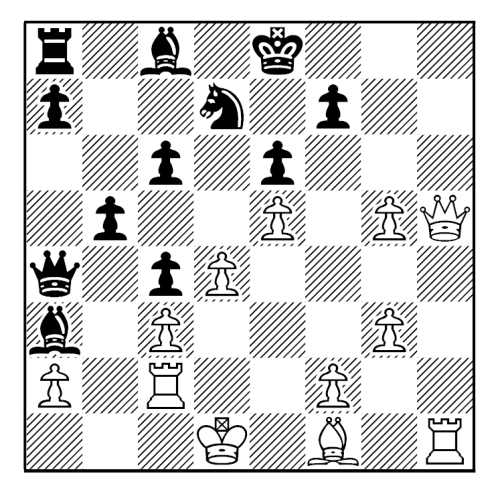
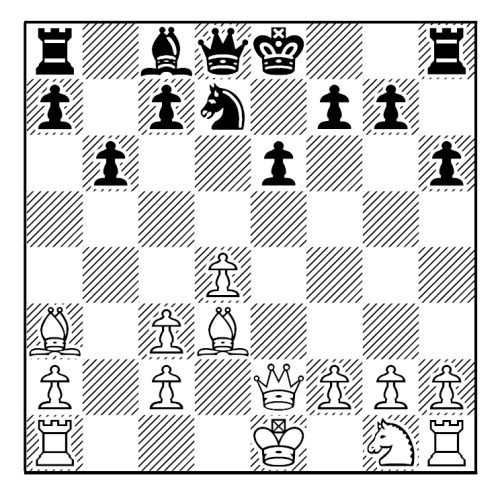
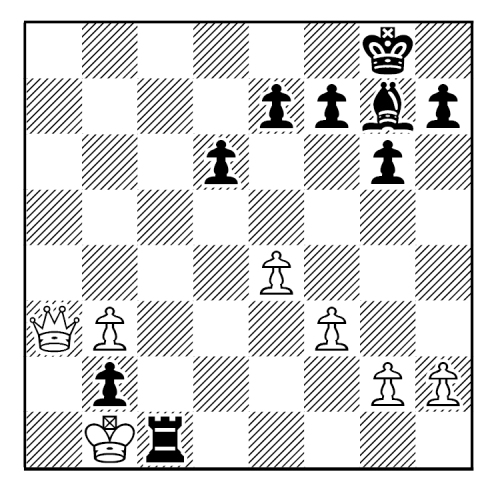
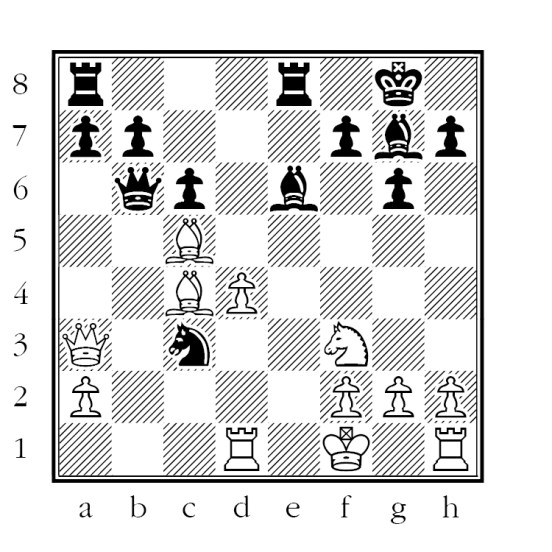
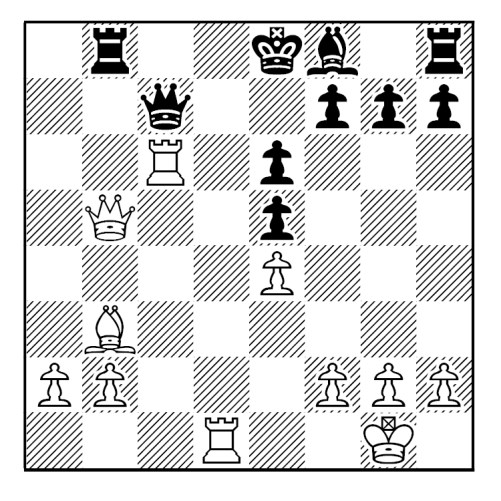
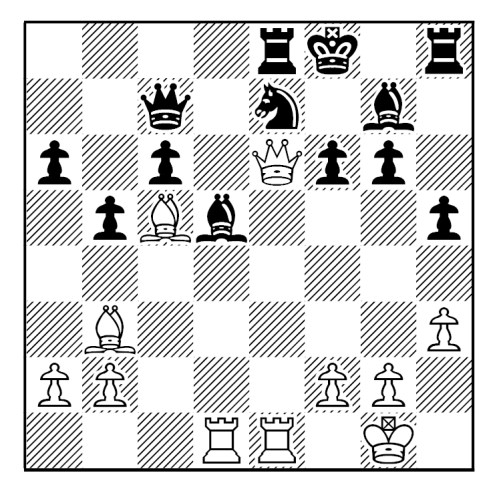
1.d4 e6 2.c4 Nf6 3.Nf3 d5 4.Nc3 c6 5.Bg5 dxc4 6.e4 b5 7.e5 h6 8.Bh4 g5 9.Nxg5 hxg5 10.Bxg5 Nbd7 11.g3!? (Unusual. More common is 11.exf6. Perhaps Yrjola didn’t want to get into a tactical tussle with a Tal.) 11…Rg8 12.h4 Rxg5 13.hxg5 Nd5 14.Qh5 Nxc3 15.bxc3 Qa5 16.Rc1 Ba3 17.Rc2 Qa4 18.Kd1! (Effectively closing off the White’s queenside. Now Black must worry about his kingside.)
2019_10_24_A
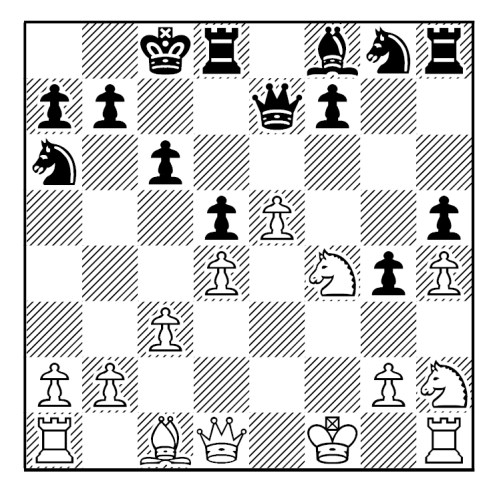
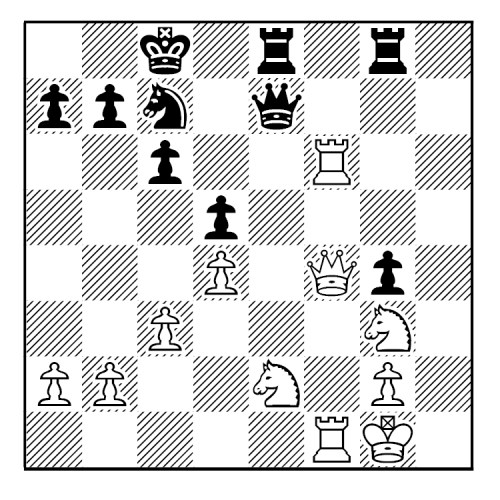
18…Nf8 19.Qf3 Bb7 20.Rh8 Be7 (Black wants to castle queenside but first he needs to shore up his defenses on the kingside.) 21.Bh3 Bxg5? 22.Bxe6! 1-0


IM Julian Hodgson (2480)-IM Jouni Yrjola (2425)
Tallinn, Estonia, Apr. 8 1987
[B21]
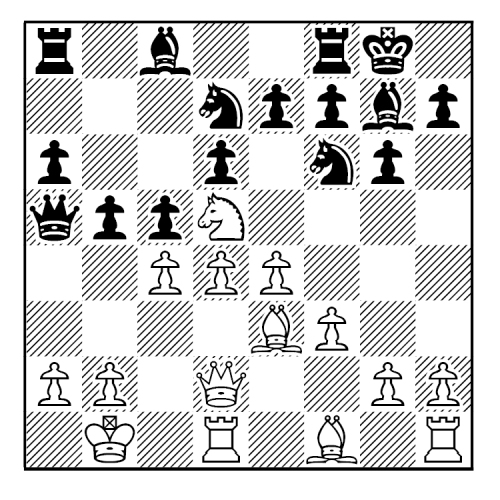
1.e4 c5 2.f4!? (The Grand Prix Attack, a very popular way of meeting the Sicilian around this time.) 3…d5 (A strong defence, and one that almost put the Grand Prix out of business.) 3.exd5 Nf6 4.Bb5+ Nbd7 5.c4 a6 6.Ba4 b5 7.cxb5 Nxd5 8.Nf3 g6!? (The fianchetto on Black’s kingside usually leads to unbalanced games, perfect for both Hodgson and Yrjola.) 9.Nc3 N5b6


[This game, heading rapidly into more craziness, now forms theory.


Vladislav Zernyshkin (2319)-Yuri Yakovich (2539), Lev Polugaevsky Memorial, Samara, Russia, July 9 2011, continued with 10.d4 Bg7 11.Bc2 cxd4 12.Nxd4 O-O 13.O-O axb5 14.Ndxb5 Ba6 15.Bd3 Nc5 16.Be2 Nba4 17.Qc2 Nxc3 18.Nxc3 Qd4+ 19.Kh1 Nd3 20.h3 Rfd8 21.a4 Bc4 22.Ra3 Nb4 23.Qb1 Bd3 24.Bxd3 Nxd3 25.Qc2 e6 26.Nb5 Qe4 27.Nc3 Qc4 28.Qe2 Qb4 29.Na2 Nxc1 30.Nxc1 Bxb2 31.Rb3 Qd2 32.Rxb2 Qxe2 33.Nxe2 Rxa4 34.Rc1 Rd7 35.Kg1 e5 36.fxe5 Re4 37.Rc5 Re7 38.Kf2 R4xe5 39.Rxe5 Rxe5 40.Ng1 h5 41.Nf3 Re7 42.Ng1 Kg7 43.Kf3 Ra7 44.Rb3 Ra5 45.h4 Ra4 46.g3 Ra7 47.Nh3 Re7 48.Ng5 Kg8 49.Re3 Ra7 50.Ke4 Kg7 51.Kd5 Kf6 52.Kc6 Kf5 53.Kd6 f6 54.Ne4 g5 1/2-1/2]


10.d4 Nxa4 11.Qxa4 Bg7 12.Be3 Nb6 13.Qa5 O-O 14.O-O-O axb5 15.Qxb5 Ba6 16.Qxc5 Nc4! (Black has penetrated White’s position and his knight will prove to be impossible to dislodge.) 17.Rhe1 Qb8! (Forcing the next move.) 18.b3 Rc8! (White’s queen is trapped. Hodgson grabs the best deal he can make for his queen …) 19.Qxc8+ Bxc8 (…and then promptly resigns.) 0-1


GM Jonny Hector (2535)-GM Jouni Yrjola (2460)
Nordic Ch.
Ostersund, Sweden, Aug. 1992
[B76]
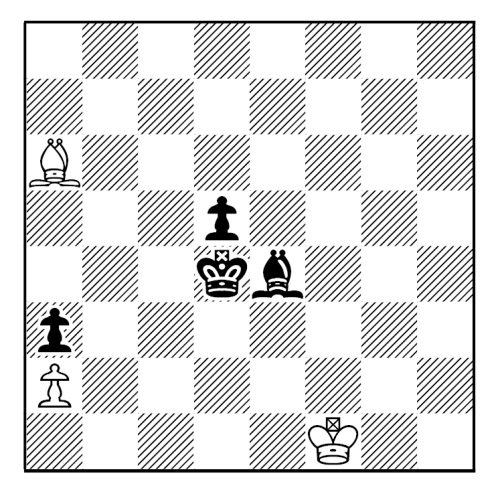
1.e4 c5 2.Nf3 d6 3.d4 cxd4 4.Nxd4 Nf6 5.Nc3 g6 6.Be3 Bg7 7.f3 Nc6 8.Bc4 O-O 9.Qe2 Bd7 10.O-O-O Na5 11.Bd3 (11.Bb3!?) 11…Rc8 12.h4 Rxc3 13.bxc3 Qc7 14.Qe1 d5 15.e5 Qxe5 16.Nb3 Nc6 17.g4 h5 18.g5 Ne8 19.Bd4 Nxd4 20.cxd4 Qd6 (Black could, of course, play 20…Qxd1 21.Rhd1, but that kills his play and he has to respond with 22…e6, which further limits his play. On 20…Qd6, his queen can at least travel to a3 and say “Boo!” Forgive this jest- it’s close to Halloween.) 21.Qc3 b6 22.Rhe1 Nc7 23.Rxe7 Ne6 24.Rxe6 Bxe6 25.Qd2 Rc8 26.c3 a5 27.Kb1 a4 28.Nc1 b5 29.Ne2 Rb8 30.Qf4 Bf8 31.Qxd6 Bxd6 32.Kc2 b4 33.cxb4 Rxb4 34.Rb1 Rxb1 35.Kxb1 Kg7 36.Kc2 f6 37.gxf6+ Kxf6 38.Kd2 g5 39.hxg5+ Kxg5 40.Ke3 h4 41.Nc3 h3 42.Bf1 Kh4 43.Kf2 a3 44.Nb5 Be7 45.Bd3 Bf6 46.Be2 Bd7 47.f4 Bg7 48.Bd3 Kg4 49.f5 Kf4 50.Kg1 Kg3 51.Kh1 Be8 52.Be2 Bd7 53.Bd3 Bf6 54.Nc3 Bc6 55.Ne2+ Kf3 56.Kh2 Ke3 57.Ba6 Bd7 58.Kxh3 Bxf5+ 59.Kg2 Be4+ 60.Kf1 Bxd4 61.Nxd4 Kxd4
2019_10_24_B
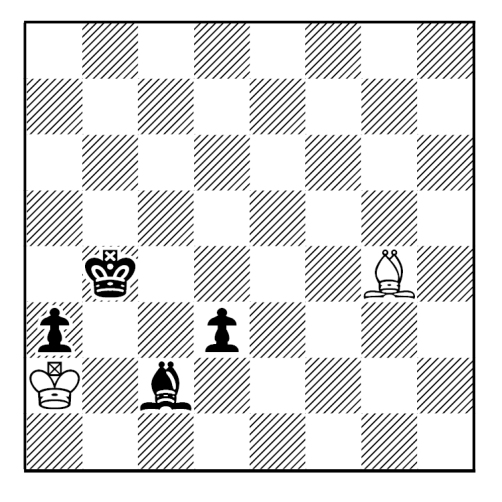
(Here, Black’s king is more centralized than White’s and he has an extra pawn. But it’s a draw as White can block the queening of the center pawn and Black’s other pawn is on a rook’s file, Right? Wrong!) 62.Ke1 Bb1 63.Kd2 Bxa2 64.Kc2 Kc5 65.Bb7 d4 66.Be4 Kb4 67.Bf5 Bb3+ 68.Kb1 Kc3 69.Ka1 Bc2 70.Bg4 d3 71.Ka2 Kb4
2019_10_24_C
0-1 [Incredibly Black wins after 72.Bh5 Bb3+ 73.Ka1 d2 74.Kb1 Kc3 75.Ka1 Kd3 76.Bf3 Ke3 77.Bg4 Kf2 78.Kb1 Ke1 79.Bh5 Bc4 80.Kc2 (with the idea of Be2) -+ , or 72.Ka1 d2 73.Ka2 Bb3+ 74.Kb1 Kc3 75.Be2 Kd4 76.Bf3 Ke3 77.Bh5 Kf2 78.Bg4 Ke1 79.Bh5 Bc4 80.Kc2 -+, or 72.Bf3 Bb3+ 73.Kb1 d2 74.Bh5 Kc3 75.Ka1 Kd3 76.Bf3 Ke3 77.Bg4 Kf2 78.Kb1 Ke1 79.Bh5 Bc4 80.Kc2 -+. Now, I had to run the position through a chess engine just to make sure my main ideas had some validity. It’s astonishing what a GM can figure out over the chessboard!]

A Chess Player’s Favorite Word

No matter if it is a miniature, a King-Hunt, a long endgame, or even a casual game, there is a word that every chess player would love to speak, and conversely, hate hearing it.


That word, so much loved and feared, is MATE.


But if it is a word much beloved in the chess world, why don’t we speak it more in normal conversations?


Well, it turns out that four letters, arranged in a M-A-T-E sequence, do not occur often in English, and even less in other languages.


Let’s look at words with the letters M-A-T-E in them.


ACCLIMATE
ACOELOMATE
AGEMATE [n. one who is about the same age as another.]
AMALGAMATE
AMATE [n. a Central American timber tree with lustrous foliage and edible fruits.]
AMATEUR
ANIMATE
ANTEPENULTIMATE
APPROXIMATE
AUTOMATE
BANDMATE
BEDMATE
BICHROMATE
BREGMATE [n. a junction point of the skull.]
BROMATE
BUNKMATE
CABINMATE
CARBAMATE
CASEMATE
CHECKMATE
CHROMATE
CLASSMATE
CLIMATE
COELOMATE [adj. having a coelom (the main body cavity in most animals).]
COINMATE
COLLIMATE
COMATE
CONSUMMATE
COPEMATE
CREMATE
CREWMATE
CYCLAMATE [n. a salt of cyclamic acid formerly used as an artificial sweetener.]
CYCLOSTOMATE
DECIMATE
DEPHLEGMATE
DESPUMATE [v. to clarify or purify a liquid by skimming a scum from its surface.]
DESQUAMATE
DICHROMATE
DIPLOMATE
DISANIMATE
DITHIOCARBAMATE [n. any salt or ester of dithiocarbamic acid, commonly used as fungicides.]
ECOCLIMATE
ESTIMATE
EXANIMATE
EXHUMATE
FERMATE
FISSIPALMATE [adj. having lobed or partially webbed separated toes, as in the feet of certain birds.]
FLATMATE
FORMATE
GEMMATE [adj. (1) having buds, (2) adorned with gems or jewels.]
GLUTAMATE
GUESSTIMATE
GUESTIMATE
HAMATE [n. a bone on the inner side of the second row of the carpus in mammals.]
HELPMATE
HIEROGRAMMATE [n. a writer of hierograms (sacred symbols or records, esp. hieroglyphics).]
HOUSEMATE
HUMATE
ILLEGITIMATE
IMAMATE [n. the office of an imam]
IMPOSTHUMATE
IMPOSTUMATE
INANIMATE [adj. not alive.]
INCREMATE [v. to cremate]
INHUMATE
INMATE
INTIMATE
LEGITIMATE
LITTERMATE
MACROCLIMATE
MAMMATE
MATE [n. a companion ; v. (1) to checkmate an opponent in chess, (2) to produce offspring.]
MATELOTE [n. a fish stew that is cooked in a wine sauce.]
MATER [n. an informal use of the Latin word for mother; adj. not reflecting light; not glossy.]
MATERIAL [n. the elements, constituents, or substances of which something is composed or can be made.]
MATERNAL [adj. relating to or characteristic of a mother or motherhood.]
MEPROBAMATE [n. a bitter-tasting drug used as a mild tranquilizer.]
MESSMATE
MICROCLIMATE
MIDSHIPMATE
MISESTIMATE
MISESTIMATE
MISMATE
MONOCHROMATE
NIZAMATE
OPTIMATE
OSMATE
OSTOMATE
OVERESTIMATE
PALAEOCLIMATE
PALAMATE
PALMATE
PENULTIMATE
PLAYMATE
PLUMATE
PRIMATE [n. any mammal of the order Primates (defined as having an up-right appearance, large brains relative to body size, body hair, and giving live birth). This group, with over 300 mammals, includes lemurs, lorises, gibbons, tarsiers, gorillas, monkeys, apes, and humans.]
PROXIMATE
PSEUDOCOELOMATE
RACEMATE
RAMATE [adj. having branches; branched.]
REANIMATE
REESTIMATE
REFORMATE
REMATE
ROOMMATE
SCHOOLMATE
SEATMATE
SEMIPALMATE
SHIPMATE
SIGMATE
SOULMATE
SQUAMATE
STABLEMATE
STALEMATE
STEARSMATE [n. same as STEERSMATE.]
STEERSMATE [n. one who steers; steersman.]
STOMATE [n. a minute opening in the epidermis of a plant organ.]
SUBLIMATE
SUBPRIMATE
SUMMATE
TABLEMATE
TEAMMATE
TOTIPALMATE [adj. having webbing that connects each of the four anterior toes, as in water birds.]
ULTIMATE
UNDERESTIMATE
WORKMATE
YOKEMATE


It doesn’t seem fair that we can mostly say MATE in the chess world. So, what to do if we want to say MATE more often? It’s easy! Play more chess!
Meanwhile, let’s indulge in a few more MATES.


Rudolf-N.N., 1912
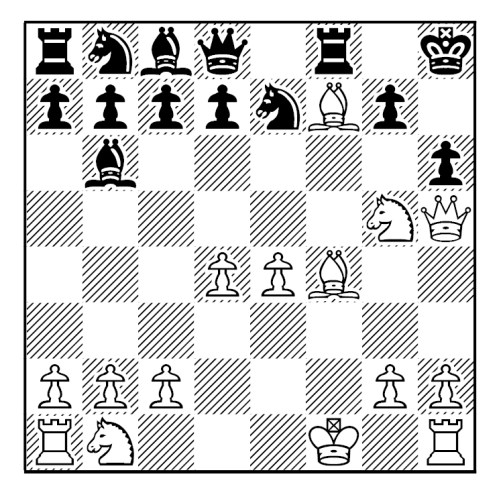
1.e4 e5 2.f4 exf4 3.Bc4 Bc5 4.d4 Qh4+ 5.Kf1 Bb6 6.Nf3 Qd8 7.Bxf4 Ne7 8.Ng5 O-O 9.Qh5 h6 10.Bxf7+ Kh8
2019_10_17_A
11.Qxh6+! gxh6 12.Be5mate 1-0


Alekhine-Vasic
Graz, 1931
1.e4 e6 2.d4 d5 3.Nc3 Bb4 4.Bd3!? Bxc3+ 5.bxc3 h6 6.Ba3 Nd7 7.Qe2 dxe4 8.Bxe4 Ngf6 9.Bd3 b6
2019_10_17_B
10.Qxe6+!! fxe6 11.Bg6mate 1-0


Savanto-Molder
Helsinki, 1950
1.e4 e5 2.f4 exf4 3.Nf3 Be7 4.Bc4 Bh4+ 5.g3 fxg3 6.O-O gxh2+ (Believe it or not, this is all theory. It is mostly known by the name, “Three Pawns Gambit”.) 7.Kh1 Be7 8.Bxf7+ Kxf7 9.Ne5+ Ke6 10.Qg4+ Kxe5 11.Qf5+ Kd6 12.Qd5mate 1-0


Joe Ei-Ken Scott
corres.
Golden Knights, USCF, 1982
1.e4 d5 2.exd5 Qxd5 3.Nc3 Qa5 4.d4 Nf6 5.Nf3 Bg4 6.h3 Bxf3 7.Qxf3 c6 8.Bd2 Qd8 9.Bc4 e6 10.O-O-O Qb6?! 11.Ne4 Qxd4? 12.Ba5 Qxc4
2019_10_17_C
13.Qxf6! gxf6 14.Nxf6+ Ke7 15.Bd8mate 1-0


L. Bohne (2025)-J. Adamski (2400)
Hassloch, 1999
1.d4 Nf6 2.c4 e6 3.Nc3 Bb4 4.Qc2 c5 (Other adequate responses include 4…d5, 4…O-O, and 4…Nc6.) 5.dxc5 Qc7 6.a3 Bxc5 7.Nf3 a6 8.e3 Be7 9.Be2 d6 10.O-O Nbd7 11.b3 b6 12.Bb2 Bb7 13.Rac1 Rc8 14.Nd4 O-O 15.Bf3 Bxf3 16.Nxf3 Qb7 17.Qe2 Rc7 18.Nd2 Rfc8 19.e4 Ne8 20.Rc2 Ne5 21.f4 Nc6 22.Nf3 Na5 23.Nd4 Nc6 24.Nxc6 Rxc6 25.Rcc1 Qb8 26.f5 Nf6 27.g4 Nd7 28.fxe6 fxe6 29.Nd5 Bg5 30.Nf4 Re8 31.Rcd1 Bf6 32.Bxf6 Nxf6 33.h3 b5 34.cxb5 axb5 35.Rc1 Rxc1 36.Rxc1 Qa7+ 37.Kg2 Qxa3 38.Rc7 Qb4 39.Rb7 h6 40.Rxb5 Qd4 41.Rb7 Nxe4 42.Ng6 Kh7 43.Qf3 Kxg6 44.Qf7+ Kh7 45.Qxe8 Qf2+ 46.Kh1 Ng3mate 0-1

Fischer, the Invincible

Recently, I was going over some games from the 1963/64 US Championship. That tournament stands out for at least three reasons.

 
(1) The winner was the first, and so far, the only one, to achieve a perfect score in the Championship.


(2) Fischer won his sixth Championship in a row. He would eventually win eight of them, which was another perfect score as he played in a total of eight Championships.


(3) Fischer played a King’s Gambit, a rarity in a national championship. It was also one of his best games.
Here is the game, annotated by Fischer, with a few additional notes (mostly to highlight some background information) by me (RME).


GM Fischer-GM Evans
US Ch.
New York, Nov. 16 1963
[Fischer, “Exclusive Commentary on Round Two”, Chess Life and Review, Jan. 1964]

1.e4 e5 2.f4 [I knew that my opponent had some prepared line (since he usually plays the Sicilian) but felt that he would be unfamiliar with the King’s Gambit. Besides, I’d made up my mind to play it in this tournament anyway.] 2…exf4 3.Bc4 [Better than 3.Nf3 which is practically refuted by 3…d6 (see my analysis in the American Chess Quarterly.)] 3…Qh4+ [Turning it into an old-fashioned slugfest. The moderns frown on this move and prefer to fight in the center with 3…Nf6 4.Nc3 c6, etc. (But 4…Qh4+ is, by far, still the most common response in the Bishop’s Gambit as it displaces White’s king and prevent him from transposing into other variants of the King’s Gambit. RME.)] 4.Kf1 d6?

[Evans said this game would set chess back a hundred years. He didn’t know how right he was! The defense he chooses was also played by LaBourdonnais against MacDonnell (20th Match Game, 1834) which continued 5.d4 Bg4 6.Qd3 Nc6 7.Bxf7+? Kxf7 8.Qb3+ Kg6 9.Qxb7 Nxd4 10.Qxa8 f3 with a winning attack. More usual is 4…g5 (or d5) 5.Nc3 Bg7 6.d4 Ne7 7.Nf3 Qh5 8.h4 h6 and it’s a hard game.

(Here is the game in its entirety.

Macdonnell-de la Bourdonnais
Match, London, 1834
1.e4 e5 2.f4 exf4 3.Bc4 Qh4+ 4.Kf1 d6 5.d4 Bg4 6.Qd3 Nc6 7.Bxf7+ Kxf7 8.Qb3+ Kg6 9.Qxb7 Nxd4 10.Qxa8 Nf6 11.Na3 f3 12.g3 Bh3+ 13.Ke1 Qg4 14.Be3 d5 15.Qxa7 Nc6 16.Qxc7 d4 17.Bd2 Qxe4+ 18.Kd1 f2 19.Nxh3 Qf3+ 20.Kc1 Qxh1+ 0-1. RME)]

5.Nc3? [Returning the compliment. It’s natural that White should want to save the juicy tempo (5.Nf3!) and I make the same mistake as MacDonnell by delaying this move.] 5…Be6! [I overlooked this move. Now Black has a choice of where to put his Queen once she’s attacked. (This move also eliminates any quick victories by White as his bishop is thwarted. RME)] 6.Qe2

[Moving the bishop back is really not an option.

Harrwitz-Mayet
Match
Berlin, 1847
1.e4 e5 2.f4 exf4 3.Bc4 Qh4+ 4.Kf1 d6 5.Nc3 Be6 6.Be2?! Qf6 7.d4 g5 8.d5 Bc8 9.Nf3 h6 10.h4 Be7 11.Nb5 Na6 12.Bd2 Qg7 13.Bc3 f6 14.Kg1 g4 15.Nfd4 f3 16.Bf1 Bd8 17.gxf3 gxf3+ 18.Kf2 Nc5 19.Qxf3 a6 20.Na3 Bg4 21.Qf4 h5 22.Re1 Nh6 23.Rg1 Be7 24.b4 Na4 25.Ne6 Qh7 26.Nxc7+ Kd7 27.Nxa8 Nxc3 28.Nb6+ Kc7 29.Nbc4 f5 30.Kg2 fxe4 31.Kh1 Nxd5 32.Qxe4 Qxe4+ 33.Rxe4 Bf3+ 34.Bg2 Bxe4 35.Bxe4 Nxb4 36.Rg7 Kd8 37.Bxb7 Nf5 38.Rf7 Nxh4 39.Na5 d5 40.c3 Ke8 41.Rxe7+ Kxe7 42.cxb4 Kd6 43.Bxa6 Nf5 44.Bd3 Ne7 45.Nc2 Rg8 46.Nb7+ Ke6 47.Nc5+ Kd6 48.a4 Nc6 49.Nb7+ Ke7 50.Nc5 Kd6 1/2-1/2. Fischer didn’t mention this game, but in all fairness, he didn’t have access to the Internet. RME]

6…c6 7.Nf3 (Inaccurate. Having made the mistake of delaying this move once, White should hold off a while longer and play 7.d4, which does not permit Black’s Queen to retreat to e7 without relinquishing his “f” pawn.) 7…Qe7 (If 7…Qh5 8.Nd5! Now, however, Black has time to consolidate his king’s position.) 8.d4 Bxc4 9.Qxc4 g5 (Despite White’s strong center and great lead in development, Black’s position is not easy to crack. If 10.h4 g4 11.Ne1 Bh6, etc.) 10.e5 d5 [During the game I thought Black’s best defense was 10…dxe5 11.Nxe5 (11.dxe5 Nd7 12.Ne4 Nxe5 13.Nxe5 Qxe5 14.Bd2 is unclear) 11…Nd7 12.h4 Nxe5 13.dxe5 Qxe5 14.hxg5 O-O-O 15.Bxf4 Qf5 with equality.] 11.Qd3 [11.Nxd5 cxd5 12.Qc8+ Qd8 13.Qxb7 Nd7 is unsound. (14.Nxg5? Rb8). Now the threat is simply 11.Qf5.] 11…Na6 12.Ne2 (Not 12.Qf5 Nh6 13.Qxg5 Qxg5 14.Nxg5 Nb4 15.Bxf4 Nxc2 16.Rd1 Nf5 and Black wins.) 12…Nb4 (12…f6 loses 13.Qf5 Bg7 14.exf6 Bxf6 15.Bxf4! gxf4 16.Nxf4 with a winning attack. It is important to repel White’s queen from its present diagonal.) 13.Qd1 O-O-O (Very complicated, and possibly better, is 13.c3 which leads to a more active defense.) 14.c3 Na6 15.h4 g4 16.Nh2! h5 (Better was 16…f3 17.gxf3 gxf3 18.Nxf3 f6 although White’s king is quite safe and Black lags in development. Also to be considered was 16…Qxh4 17.Nxf4! g3 18.Qg4+ Qxg4 19.Nxg4 with a powerful ending.) 17.Nxf4

2019_10_10_A
17…Qxh4? [The losing move. Relatively best is 17…Kb8 (preventing Nxh5!) (Fischer is referring to White’s threat of 18.Nxh5! Rxh5 19.Qxg4+, winning the rook and the game. RME) but his game is already bad. (The advanced pawn on e5 which is crippling Black’s play on the kingside. RME).] 18.Kg1 (Black apparently underestimated the strength of this move. He has no adequate defense now to the twin threats of 19.Nxg4 and Nf1.) 18…Nh6 (The only way to avoid outright material loss. Black originally intended 18…Bh6 but 19.Nf1 followed by Rxh5 stands him up.) 19.Nf1 Qe7 20.Nxh5 Rg8 (Black already knew he was lost and was shaking his head in amazement at how quickly White’s dead pieces had sprung to life.) 21.Nfg3 Rg6 22.Nf4 Rg5 (If 22…Rg8 23.Nxd5, etc.) 23.Be3 Nc7 (The last hope. 23…f6 is answered by 24.Qd2 fxe5 25.Nxd5, winning a full rook.) 24.Qd2 Rg8 25.Nfe2 (This piquant retreat wins a piece, putting a clear end to black’s agony.) 25…f6 (Black is still hoping for a miracle.) 26.exf6 Qxf6 27.Bxh6 Bd6 28.Rf1 Qe6 29.Bf4 Rde8 30.Rh6 Bxf4 31.Qxf4 Qe7 32.Rf6
2019_10_10_B
[Tripling on the Bishop file. (And being material up, the victory is not too far off. RME)] 32…Ne6 33.Qe5 Ng5 34.Qxe7 Rxe7 35.Rf8+ (Trading down to skin and bones.) 35…Rxf8 36.Rxf8+ 1-0


TAL’S SACRIFICES

Mikhail Tal (1936-1992), was a tsunamic and torrential tactical player. Known for his surprising speculative sacrifices and brilliant follow-ups, he made a name for himself even as a young player.


His style of sacrificial play introduced a new and novel way of creating play for one’s own pieces.


But exactly what is this new style? What type of pieces are used in this new style?


The second question is easy to answer; “All of them”.


As to the first question, let his games demonstrate this style.


~~~~~~~~~~~~~~~~~~~~~~~~~~~~~


Kliavinsh-GM Tal
Latvian Ch., 1958
1.e4 c5 2.Nf3 d6 3.d4 cxd4 4.Nxd4 Nf6 5.Nc3 a6 6.Bc4 e6 7.Bb3 Be7 8.O-O O-O 9.f4 b5 10.a3 Nbd7 11.Be3 (If you are thinking about 11.Bxe6, please remember there are three type of sacrifices; there are good sacrifices, bad sacrifices and Tal-like sacrifices. This move is neither a Tal-like, or even a good sacrifice, as after 11.Bxe6?! fxe6 12.Nxe6 Qb6+ 13.Kh1 Rf7 Black is a little better. Black can also play 12.Nxe6 Qe8. In either case White is down material with very little compensation.) 11…Bb7 12.Bxe6?! fxe6 13.Nxe6 Qe8! (This, however, is a Tal-like sacrifice. The Black rook will stay en prise for the next few moves until White takes it. For that, Tal will get exactly what he wants – very active pieces.) 14.Qd4 Rc8 15.Rae1 Rc4 16.Qa7 Qc8 17.Nxf8 Bxf8 18.Bd4 d5 19.Kh1 dxe4 20.Rd1 Qc6 21.b3 Rxc3 22.Bxc3 e3 23.Rf3 e2!
2019_09_25_A
[This is just a good move and nothing special. However, a good sacrifice is just around the corner. We would like to see it on the scoresheet. But White resigned so we’ll have to see it in the analysis. After 24.Re1, Black has 24…Qxf3! (It’s both a good sacrifice and a Tal-like sacrifice for sure!) 25.gxf3 Bxf3+ 26.Kg1 Bc5+ 27.Qxc5 Nxc5 28.Kf2 Bh5, and Black wins!] 0-1


Isaak Birbrager-Tal
Kharkov, 1953
[Notes based on NM SamCopeland’s excellent article, “Mikhail Tal’s Most Spectacular Queen Sacrifice – Birbrager vs. Tal, 1953”, chess.com, Sept. 9 2019]
1.d4 Nf6 2.c4 c5 3.d5 e6 4.Nc3 exd5 5.cxd5 d6 6.e4 g6 7.Nf3 Bg7 8.Bd3 (White has several alternatives here; 8.Nf3, 8.Bg5, 8.Nd2, and even 8.h3.) 8…O-O 9.O-O Na6?! 10.Nd2 Nb4 11.Be2 {11.Bb1! +/-. This would have contained the knight more effectively and kept an eye on possible kingside actions.) 11…Re8 12.a3 Na6 13.Re1 Nc7 14.Qc2 Rb8 15.a4 b6 16.Nb5? a6 17.Nxc7 (17.Na7!?. The text move practically forces Black’s response.) 17…Qxc7 18.Ra2 Qe7 19.f3? Nh5! (Getting ready to steamroll the kingside pawns with the knight providing cover.) 20.Nf1 f5! 21.Bd3 f4! (The plan of …Be5, and …g5-g4 with a mating attack is deadly.) 22.g4! Bd4+ 23.Kh1 (23.Kg2? Qh4 24.Re2 Bxg4! 25.fxg4 Qxg4+ 26.Kh1 Qg1#.) 23…Qh4 24.Re2 Qh3? 25.Rg2 Qxf3 26.Nd2 (26.gxh5 Rxe4! -+ is a beautiful and punishing blow.) 26…Qe3 27.Nf1 Qf3 28.Nd2 (draw?)
2019_09_25_B
28…Bxg4!! (No draw! Tal chooses to sacrifice his queen instead! This is a perfect example of a “Tal” sacrifice; there is not a clear idea to regain the material, but Tal’s pieces are alive and crackling with energy while White’s pieces struggle to find meaning in the position. Objectively, MAYBE White can defend, but there’s no clear refutation, and White collapses almost immediately.) 29.Nxf3 Bxf3 30.h4 Rf8 31.Be2?? Ng3+ 32.Kh2 Bxg2 33.Kxg2 Nxe2 34.Qxe2 f3+ 35.Qxf3 Rxf3 36.Kxf3 Rf8+ 37.Kg3 Be5+ 38.Kg2 Bf4 […Rf4 (before or after trading on c1) wins another pawn and the game.] 0-1


GM Tal-GM Velimirovic
USSR vs. Yugoslavia
Teslic, 1979
[A30]
[A complete analysis by Tal can be found in Informant 27, game #64]
1.c4 c5 2.b3 Nc6 3.Bb2 e5 4.g3 d6 5.Bg2 Be6 6.Nc3 Qd7 7.Nf3 Bh3 8.Bxh3 Qxh3 9.Nd5! Qd7 10.e3 Nce7 11.Nc3! Nf6 12.0-0 e4 (12…Ng6 13.d4 +/-) 13.Ng5!? d5!? 14.cxd5 Qf5

2019_09_25_C
15.Nxf7! Kxf7 16.f3! Nexd5 17.fxe4 Nxc3 18.Bxc3 Qxe4 19.Qh5+ Ke6 20.Qh3+ Kd6 (20…Kf7! 21.Rf5! is unclear but the advantage probably lies with White.) 21.b4!! Kc7 22.Rac1 +/- Rc8 23.Rf5!! Qg4 24.Be5+ Kd7 25.Qf1 Qe4?  26.Rc4 Qc6 27.Qh3 (27.Bxf6 gxf6 28.Rxf6 Qd5 29.Qh3 Kc7 30.Rf8 +-) 27…Qe6 (27…Kd8 28.bxc5+-) 28.Bxf6 gxf6 29.Re4! +- Qa2 30.Rxc5+ 1-0


Bobotsov-Tal
World Junior Team Ch.
Varna, 1958
[E81]
1.d4 Nf6 2.c4 g6 3.Nc3 Bg7 4.e4 d6 5.f3 O-O 6.Nge2 c5 7.Be3 Nbd7 (Another move is 7…Nc6!?) 8.Qd2 a6 9.O-O-O Qa5!? (Aggressive, provocative, and encourages piece play by Black.) 10.Kb1 b5 11.Nd5
2019_09_25_D
11…Nxd5! (Not only is it unexpected, it is also among of his most sound sacrifices. Tal’s pieces really come alive!) 12.Qxa5?

[Tal’s sacrifice is so well known that IM and GM players avoid taking the offered queen and instead play 12.cxd5 to liquefy the possibilities, but apparently not necessarily the stress brought on by Black’s active piece play.

Here are two games for future study of this game.

Abraham Neumann-Israel Gelfer (2340)
Israel Ch., Dec., 1967
1.d4 Nf6 2.c4 g6 3.Nc3 Bg7 4.e4 d6 5.f3 O-O 6.Be3 Nbd7 7.Qd2 c5 8.Nge2 a6 9.O-O-O Qa5 10.Kb1 b5 11.Nd5 Nxd5 12.cxd5 Qxd2 13.Bxd2 f5 14.e5 Bb7 15.Bg5 Rfe8 16.dxc5 Nxc5 17.e6 Na4 18.Bc1 Nb6 19.Nf4 Be5 20.Be3 Na4 21.Rd2 Rac8 22.Ne2 Rc7 23.f4 Bf6 24.g3 Rec8 25.Rg1 b4 26.Rg2 Bxb2 27.Rxb2 Nxb2 28.Kxb2 Rc2+ 29.Kb1 Bxd5 30.Rf2 Bxa2+ 31.Ka1 Bc4 32.Nd4 Rxf2 33.Bxc4 Rxh2 34.Bd5 Rc3 35.Nf3 Rh1+ 0-1

Cicirone Spulber (2326)-Boris Itkis (2474)
Homorod, Romania, 1993
1.d4 Nf6 2.c4 g6 3.Nc3 Bg7 4.e4 d6 5.f3 O-O 6.Be3 Nbd7 7.Qd2 c5 8.Nge2 a6 9.O-O-O Qa5 10.Kb1 b5 11.Nd5 Nxd5 12.cxd5 Qxd2 13.Rxd2 f5 14.dxc5 Nxc5 15.Bxc5 dxc5 16.Nc3 c4 17.Be2 Bd7 18.exf5 gxf5 19.f4 b4 20.Nd1 Rfc8 21.Rc2 c3 22.b3 a5 23.Ne3 a4 24.Bc4 Rxc4 25.Nxc4 axb3 26.axb3 Bb5 27.Rhc1 Rd8 28.Ne3 Bd3 29.Rd1 Be4 30.g3 Ra8 31.d6 exd6 32.Rxd6 Re8 33.Nd5 Bxc2+ 34.Kxc2 Re2+ 35.Kc1 Bf8 36.Rd8 Kf7 37.Rb8 Rxh2 38.Nxb4 Bc5 0-1.

Back to the Tal game.]

12…Nxe3 13.Rc1 Nxc4! (The strong knight threatens the queen and she doesn’t have good square to move.) 14.Rxc4 bxc4 15.Nc1 (White, despite giving back some of the material, finds his king stripped of defensive pieces and pawns and sitting on an semi-open file.) 15…Rb8 16.Bxc4 Nb6 17.Bb3 Bxd4 (Among other threats, the move …c4! wins at once.) 18.Qd2 Bg7 19.Ne2 c4 20.Bc2 (Not 20.Bd1? as White may need to move his rook to the queenside.) 20…c3 21.Qd3 (Winning for Black is 21.Nxc3? Nc4! 22.Qc1 Bxc3 -+.) 21…cxb2 22.Nd4 Bd7 23.Rd1 Rfc8! (There is no escape for White’s king.) 24.Bb3 Na4 25.Bxa4 Bxa4 26.Nb3 Rc3 27.Qxa6 Bxb3 28.axb3 Rbc8 29.Qa3 Rc1+ 30.Rxc1 Rxc1+ (This position deserves a diagram.)
2019_09_25_E
0-1

AN INTRODUCTION TO THE ART OF QUEEN SACRIFICES


phpWZYMqS


Perhaps the most popular games ever published are those in which a player sacrifices his one and only Queen. Bravery is required for that player who thrusts his most valuable piece into the fight, sometimes with no hope of ever seeing her alive again.


In the over 500 years of chess, fewer topics have been more exciting, more spectacular, and more aesthetically pleasing to the player than when he freely sacrifices his powerful Queen. In all cases, the desired result, whether immediately or indirectly, is to gain something more valuable; the enemy King.


Basically, there are three types of tactical Queen sacrifices. The first type is the one made for material gain. Sometimes called a pseudo-sacrifice, the Queen is given up and won back a few moves later.


Doroshkevich-Astashin
USSR, 1967 (D24)
1.d4 d5 2.c4 dxc4 3.Nf3 Nf6 4.Nc3 a6 5.e4 b5 6.e5 Nd5 7.a4 Nxc3 8.bxc3 Bb7 9.e6 fxe6 10. Be2 Qd5 11.Ng5 Qxg2 12.Rf1 Bd5 13.axb5 Qxh2?! 14.Bg4 h5 15.Bxe6 Bxe6 16.Qf3 c6 17.Nxe6 Qd6 18.Qf5 g6 19.Qxg6+ Kd7 20.Nc5+ Kc8 21.Qe8+ Qd8 22.b6! 1-0


The Queen pseudo-sacrifice sacrifice for gain may turn into a mate if the opponent tries to hold on the extra female material.


Muller-Calderone
Compuserve, 1996 (B57)
1.e4 c5 2.Nf3 d6 3.d4 cxd4 4.Nxd4 Nf6 5.Nc3 Nc6 6.Nxc6 bxc6 7.Bc4 g6 8.e5 Nd7 (Certainly not 8…dxe5?? 9.Bxf7+. Best is 8…Ng4) 9.exd6 exd6 10.O-O Nf6 11.Re1+ Be7 12.Qf3 O-O 13.Qxc6 Bf5 14.Bh6 Re8 15.Nd5 Rc8

2019_09_18_A

16.Qxe8+! Qxe8 17.Nxe7+ Kh8 18.Nxf5 Ne4 19.Nxd6 Qc6 20.Nxf7+ (20…Kg8 21.Ne5+) 1-0


Levitzky-Marshall
Breslau 1912 (C10)
[Chernev says that spectators showered the board with gold pieces after Black’s 23rd move. Soltis says it was bettors who lost the wager on the outcome.]
1.d4 e6 2.e4 d5 3.Nc3 c5 (The Marshall Gambit, as played by its inventor.) 4.Nf3 Nc6 5.exd5 exd5 6.Be2 Nf6 7.O-O Be7 8.Bg5 O-O 9.dxc5 Be6 10.Nd4 Bxc5 11.Nxe6 fxe6 12.Bg4 Qd6 13.Bh3 Rae8 14.Qd2 Bb4 15.Bxf6 Rxf6 16.Rad1 Qc5 17.Qe2 Bxc3 18.bxc3 Qxc3 19.Rxd5 Nd4 20.Qh5 Ref8 21.Re5 Rh6 22.Qg5 Rxh3 23.Rc5 Qg3!!

2019_09_18_B

[O.K. Here are the variations: 24.Qxg3 Ne2+ 25.Kh1 Nxg3+ 26.Kg1 Nxf1 27.gxh3 Nd2 and extra piece wins. If White tries to hold onto the Queen, he tries loses his King. 24.hxg3 Ne2#, or 24.fxg3 Ne2+ 25.Kh1 Rxf1#.] 0-1


A second popular Queen sacrifice is made solely for to checkmate an opponent. The mate may be immediate as these short games show.


De Legal-Saint Brie
Paris, 1750? (C40)
1.e4 e5 2.Nf3 d6 3.Bc4 (3.d4 is now considered to be the best move when facing Philidor’s Defence. But then we would miss all the fun of this classical trap!) 3…Bg4? 4.Nc3 g6 5.Nxe5! Bxd1 6.Bxf7+ Ke7 7.Nd5mate 1-0


Greco-N.N.,
Rome, 1620?
(B20)
1.e4 b6 2.d4 Bb7 3.Bd3 f5 4.exf5 Bxg2 5.Qh5+ g6 6.fxg6 Nf6? (If Black plays 6..e5?, then White has the beautiful 7.g7+ Ke7 8.Qxe5+ Kf7 9.gxh8=N#!) 7.gxh7+! Nxh5 8.Bg6mate 1-0

 
Paul Morphy-Duke of Brunswick and Count Isouard
Paris, 1858 (C41)
[A short classic that displays all the qualities that make up a great game; rapid development, pins, sacrifices, and slightly inferior moves by the opponent.]
1.e4 e5 2.Nf3 d6 3.d4 Bg4? 4.dxe5 (Simple enough. White threatens 4…dxe5 5.Qxd8+ Kxd8 6.Nxe5, netting a pawn.) 4…Bxf3 5.Qxf3 dxe5 6.Bc4 Nf6 7.Qb3 Qe7 8.Nc3 c6 9.Bg5 b5 10.Nxb5! (The whole mating sequence begins with a Knight sacrifice.) 10…cxb5 11.Bxb5+ Nbd7 12.O-O-O! Rd8 13.Rxd7 Rxd7 14.Rd1 Qe6 15.Bxd7+ Nxd7 16.Qb8+! (And ends with a Queen deflection sacrifice!) 16…Nxb8 17.Rd8mate 1-0


Queen sacrifices for the checkmate may also be slightly more involved and take longer to execute the mate.


Maryasin-Kapengut
Minsk, 1969 (D01)
1.d4 Nf6 2.Nc3 d5 3.Bg5 (The often neglected Veresov’s Opening.) 3…Nbd7 4.Nf3 g6 5.e3 Bg7 6.Bd3 c5 7.Ne5 O-O 8.Qf3 Qb6 9.O-O-O e6 10.h4 Nxe5 11.dxe5 Nd7 12.h5 Nxe5 13.Qh3 f5 14.hxg6 hxg6 15.Be2 d4 16.Na4 Qb4 17.f4 Qxa4 18.fxe5 Qxa2 19.Qh7+ Kf7 20.Bf6 Qa1+ 21.Kd2 Qa5+ 22.c3 Rg8
2019_09_18_C

23.Qxg6+! Kxg6 24.Bh5+ Kh7 25.Bf7+ Bh6 26.Rxh6+ (with the idea of Rh1#) 1-0

 
The third type of Queen sacrifices are those initiating King hunts. The Queen is given up so that the enemy King is brought out into the open. The checkmate, if there, comes many moves later.

 
These sacrifices differ from the mating sacrifices in that, while a mating sacrifice can be usually calculated out to the end, a King Hunt is made on a player’s belief that he can find a mate somewhere down the line. In other words, a King Hunt is made more on intuition rather than calculation.


D. Byrne-Fischer
Rosenwald Memorial
New York 1956 (D97)
1.Nf3 Nf6 2.c4 g6 3.Nc3 Bg7 4.d4 O-O 5.Bf4 d5 6.Qb3 dxc4 7.Qxc4 c6 8.e4 Nbd7 9.Rd1 Nb6 10.Qc5 Bg4 11.Bg5 Na4 12.Qa3 Nxc3 13.bxc3 Nxe4 14.Bxe7 Qb6 15.Bc4 Nxc3 16.Bc5 Rfe8+ 17.Kf1 Be6!!
2019_09_18_D

18.Bxb6 Bxc4+ 19.Kg1 Ne2+ 20.Kf1 Nxd4+ 21.Kg1 Ne2+ 22.Kf1 Nc3+ 23.Kg1 axb6 24.Qb4 Ra4 25.Qxb6 Nxd1 26.h3 Rxa2 27.Kh2 Nxf2 28.Re1 Rxe1 29.Qd8+ Bf8 30.Nxe1 Bd5 31.Nf3 Ne4 32.Qb8 b5 33.h4 h5 34.Ne5 Kg7 35.Kg1 Bc5+ 36.Kf1 Ng3+ 37.Ke1 Bb4+ 38.Kd1 Bb3+ 39.Kc1 Ne2+ 40.Kb1 Nc3+ 41.Kc1 Rc2mate 0-1

 
Averbakh-Kotov
Zurich, 1953 (A55)
1.d4 Nf6 2.c4 d6 3.Nf3 Nbd7 4.Nc3 e5 5.e4 Be7 6.Be2 O-O 7.O-O c6 8.Qc2 Re8 9.Rd1 Bf8 10.Rb1 a5 11.d5 Nc5 12.Be3 Qc7 13.h3 Bd7 14.Rbc1 g6 15.Nd2 Rab8 16.Nb3 Nxb3 17.Qxb3 c5 18.Kh2 Kh8 19.Qc2 Ng8 20.Bg4 Nh6 21.Bxd7 Qxd7 22.Qd2 Ng8 23.g4 f5 24.f3 Be7 25.Rg1 Rf8 26.Rcf1 Rf7 27.gxf5 gxf5 28.Rg2 f4 29.Bf2 Rf6 30.Ne2
2019_09_18_E

30…Qxh3+!! 31.Kxh3 Rh6+ 32.Kg4 Nf6+ 33.Kf5 Nd7 34.Rg5 Rf8+ 35.Kg4 Nf6+ 36.Kf5 Ng8+ 37.Kg4 Nf6+ 38.Kf5 Nxd5+ 39.Kg4 Nf6+ 40.Kf5 Ng8+ 41.Kg4 Nf6+ 42.Kf5 Ng8+ (These last few moves were apparently played to reach adjournment.) 43.Kg4 Bxg5 44.Kxg5 Rf7 45.Bh4 Rg6+ 46.Kh5 Rfg7 47.Bg5 Rxg5+ 48.Kh4 Nf6 49.Ng3 Rxg3 50.Qxd6 R3g6 51.Qb8+ Rg8 0-1

 
Mating threats may occur more than once in a game. Which also means a player can sometimes a player can offer his original Queen more than once.

 
Nigmadzianov-Kaplun
USSR 1977 (B05)
1.e4 Nf6 2.e5 Nd5 3.d4 d6 4.Nf3 Bg4 5.Be2 c6 6.c4 Nb6 7.Nbd2 N8d7? (ECO suggests 7…dxe5.) 8.Ng5! Bxe2 9.e6!! (White offers his Queen for the first time. This offer can be turned down.) 9…f6 (9…Bxd1? fails to 10.exf7#) 10.Qxe2 fxg5 11.Ne4 +/- Nf6 12.Nxg5 Qc7 13.Nf7 Rg8 14.g4 h6 15.h4 d5 16.c5 Nc8 17.g5 Ne4 18.gxh6 gxh6 19.Qh5 Nf6 20.Nd6+ Kd8 21.Qe8+ (The second offer cannot be refused.) 1-0


Gonssiorovsky-Alekhine
Odessa 1918 (C24)
1.e4 e5 2.Bc4 Nf6 3.d3 c6 4.Qe2 Be7 5.f4 d5 6.exd5 exf4 7.Bxf4 O-O 8.Nd2 cxd5 9.Bb3 a5 10.c3 a4 11.Bc2 a3 12.b3?! (12.Rb1 is better. Lusin-Morgado, corres.1968 continued with 12…Bd6 13.Qf2 Ng4 14.Qg3 Re8+ 15.Kd1 Ne3+ 16.Kc1 Nf5 17.Qf2 Bxf4 18.Qxf4 Re1+ 19.Bd1 Ne3 20.Ngf3 Rxh1 21.Qxe3 axb2+ 22.Rxb2 Nc6 23.a4 Rxa4 24.Qe2 Ra1+ 25.Rb1 Rxb1+ 26.Nxb1 h6 27.Nbd2 Qe7 28.Kb2 Qxe2 29.Bxe2 g5 30.Nf1 Bg4 31.Ng3 Bxf3 32.Bxf3 Rxh2 33.Bxd5 h5 34.Kc1 Kg7 35.Kd2 Ne5 36.d4 Ng4 37.Ke2 h4 38.Nf1 Rh1 39.Bxb7 h3 40.gxh3 Rxh3 41.c4 f5 42.c5 Kf6 43.c6 Rc3 1/2-1/2) 12…Re8 13.O-O-O Bb4 14.Qf2 Bxc3 15.Bg5 Nc6 16.Ngf3 d4 17.Rhe1 Bb2+ 18.Kb1 Nd5! (The Queen is offered for the first time.)
2019_09_18_F

19.Rxe8+ (Naturally 19.Bxd8 fails to 19…Nc3#) 19…Qxe8 20.Ne4 Qxe4! (The second offer!) 21.Bd2 Qe3 (The third offer!) 22.Re1 (Now White gets into the act!) 22…Bf5 23.Rxe3 dxe3 24.Qf1 exd2 25.Bd1 Ncb4! (And White finally realizes that he cannot stop Nc3#.) 0-1


E. Z. Adams-C. Torre
New Orleans 1920 (C62)
1.e4 e5 2.Nf3 d6 3.d4 (Ah!, there is the better move in Philidor’s Defence) 3…exd4 4.Qxd4 Nc6 5.Bb5 Bd7 6.Bxc6 Bxc6 7.Nc3 Nf6 8.O-O Be7 9.Nd5 Bxd5 10.exd5 O-O 11.Bg5 c6 12.c4 cxd5 13.cxd5 Re8 14.Rfe1 a5 15.Re2 Rc8 16.Rae1 Qd7 17.Bxf6 Bxf6
2019_09_18_G

18.Qg4! (The first offer) 18…Qb5 19.Qc4! (The second offer) 19…Qd7 20.Qc7! (The third!) 20…Qb5 21.a4! Qxa4 22.Re4 Qb5 23.Qxb7 (This, the fourth offer, is too much for Black to handle.) 1-0

The Siberian Trap

In a correspondence game I was preparing an opening line as it was appearing to become a Smith-Morra variation in the Sicilian. But alas! – the game soon changed into an Advance French/Alapin hybrid.


So, my dear chess friends, here is what I was studying.


~~~~~~~~~~~~~~~~~~~~~~~~~~~~~~~~~~~~~~


The Siberian Trap is a good counter-attack in the Smith-Morra. You won’t find it in too many opening books, but it’s there!


The opening line begins as 1.e4 c5 2.d4 cxd4 3.c3 dxc3 4.Nxc3 Nc6 5.Nf3 e6 6.Bc4 Qc7!, and Black has his counterplay. But is it sound? Any good? Well, apparently, it is!


Here are some games and analysis for your consideration.


First of all, to reach the gambit proper, White continues with 7.O-O Nf6 8.Qe2 (a reasonable move). And now Black strikes back with 8…Ng4!


White can respond with 9.h3?, but this is bad, because of 9…Nd4! 10.hxg4 Nxe2+ 11.Bxe2 a6 12.Rd1 b5 and Black won soon in the game, Alekseev-Schipkov, Burevestnik Russian Ch., Krasnodar 1983. [Analysis by Boris Schipkov.]


Another bad move for White is 9.Bb3?. which led to a quick loss after 9…Nd4! (Kolenbet-Schipkov, Siberian & Far East Ch., Khabarovsk, 1987). At least now know where the name of this trap comes from!


Let’s look at some other games.


Ligoure (2240)–Milesi (2030)
Cannes, 1990
1.e4 c5 2.d4 cxd4 3.c3 dxc3 4.Nxc3 Nc6 5.Bc4 e6 6.Nf3 Qc7 7.O-O Nf6 8.Re1?! (The critical theoretical line is 8.Nb5 Qb8 9.e5!) 8…d6 9.Bf4 Ne5?! (9…a6 was preferable.) 10.Bb5+ Nfd7?! (> 10…Bd7) 11.Rc1 Qb8 12.Nd5!
2019_09_11_A
12…exd5 13.Nxe5 (Even more powerful was 13.Bxe5! dxe5 14.Rxc8+! Qxc8 15.Nxe5 +-) 13…dxe5 14.Bxe5! Qxe5 15.exd5 Kd8 16.Rxe5 Nxe5 17.f4 Bg4 18.Qe1 Nd7 19.h3 a6 20.Bxd7 Bxd7 21.Qa5+ +- Ke7 22.Re1+ Kf6 23.Qb6+ Kf5 24.Re5+ 1-0


Joe Blitzsein-M. Manik
SCCF H.S. Ch.
Los Angeles, 1993
1.e4 c5 2.d4 cxd4 3.c3 dxc3 4.Nxc3 Nc6 5.Nf3 e6 6.Bc4 Qc7 7.Qe2 Nf6 8.e5 Ng4 9.Bf4 f6 10.Nd5 Qa5+ 11.Bd2 Qd8 12.exf6 Nxf6 13.Nxf6+ Qxf6 14.Bc3 Bb4 15.Bxb4 Nxb4 16.O-O O-O 17.Rfd1 d5 18.a3 Nc6 19.Bb5 Bd7 20.Bxc6 Bxc6 21.Ne5 Rad8 22.Rac1 Ba4 23.Rd4 Bb5 24.Qe3 Rc8 25.Rxc8 Rxc8 26.h3 Qe7 27.Rf4 Qc5 28.Qg3 Rf8 29.Rxf8+ Qxf8 30.Qb3 Qc5 31.Qf3 Qc1+ 32.Kh2 Qc7 33.Qf4 Be8 34.Ng6 Qxf4+ 35.Nxf4 Kf7 36.Kg3 Kf6 37.Kf3 d4 38.Ke4 Bc6+ 39.Kd3 e5 40.Nh5+ Kg6 41.g4 Bg2 42.f4 Bxh3 43.fxe5 Bxg4 44.Nf4+ Kf5 45.Ng2 Kxe5 46.b4 g5 47.a4 h5 0-1


Lotti-Cilento
corres.
Italian Ch., 1993
[This game actually made it into CCY #10/79. Analysis by Lotti]
1.e4 c5 2.d4 cxd4 3.c3 dxc3 4.Nxc3 Nc6 5.Nf3 e6 6.Bc4 Qc7 7.O-O Nf6 8.Bg5! Ne5 9.Bb3 Be7 10.Rc1 Qa5?! (10…Nxf3+! 11.Qxf3 +/=) 11.Nxe5 Qxe5 12.f4 Qc5+ 13.Kh1 Qb6 14.e5 Ng8 15.Ne4 h6 16.Bxe7 1-0 [16…Nxe7 (16…Kxe7 17.Qd6+ Qxd6 18.Nxd6 +-) 17.Nd6+ Kf8 18.Nxc8 Rxc8 19.Rxc8+ Nxc8 20.Qxd7 Ne7 21.Rc1 g6 22.Rc7 Qb4 23.h3 +-]


Howard-Kechner
British Ch., 1996
1.e4 c5 2.d4 cxd4 3.c3 dxc3 4.Nxc3 e6 5.Nf3 Nc6 6.Bc4 Qc7 7.O-O a6 8.Be3 h6 9.Re1 Ne5 10.Nxe5 Qxe5 11.Nd5 exd5 12.exd5 Be7 13.Bc5 Qf4 14.Bxe7 Nxe7 15.d6 Qxc4 16.Rxe7+ Kf8 17.Qf3 g6 18.Qf6 Rg8 19.Re8+ 1-0


Klewin-Lau
Hamburg, 2002
1.e4 c5 2.Nf3 Nc6 3.d4 cxd4 4.c3 dxc3 5.Nxc3 e6 6.Bc4 Qc7 7.Qe2 a6 8.O-O b5?! (In combination with …Qc7 this often proves too risky.) 9.Bb3 Bb7 10.Rd1 d6 11.Bf4 Ne5?! 12.Rac1 Bc6?! (12…Nxf3+ 13.Qxf3) 13.Nd4 Ne7 14.Bxe5 dxe5 15.Ndxb5! axb5 16.Nxb5 +- Bxb5 17.Qxb5+ Nc6 18.Rxc6 Rb8!?
2019_09_11_B
19.Rxe6mate 1-0


Milman (2356)-GM Ehlvest (2587)
New York Masters, 2003
1.e4 c5 2.d4 cxd4 3.c3 dxc3 4.Nxc3 Nc6 5.Nf3 e6 6.Bc4 Qc7 7.O-O Nf6 8.Nb5 Qb8 9.e5! Ng4 10.Nd6+?! (> 10.Bf4) 10…Bxd6 11.exd6 b5 12.Bb3 O-O 13.h3 Nf6 14.Re1 a5 15.Bg5 a4 16.Bxf6 gxf6 17.Bc2 Nb4 18.Bb1 Nd5 19.Nh4 Qxd6 20.Qg4+ Kh8
2019_09_11_C

21.Nf5! 1-0


Sami Al Atarji-GM Todorovic (2540)
Belgrade Trophy, Nov. 24 2004
1.e4 c5 2.d4 cxd4 3.c3 dxc3 4.Nxc3 Nc6 5.Nf3 e6 6.Bc4 Qc7 7.O-O Nf6 8.Qe2 Ng4 9.g3 (Now this is White’s most common reply. A fianchetto makes it harder to attack the kingside. In most positions.) 9…a6 10.Nd5 Qd8 (Maybe Black can survive after 10…exd5 11.exd5+ Ne7 12.d6 Qxd6 13.Bf4, but why risk it?) 11.h3 Nge5 12.Bf4 d6 13.Ne3 Nxf3+ 14.Qxf3 g5! 0-1


Kobernat (2030)-GM Wojtkiewicz (2610)
Governor’s Cup
South Dakota, 2005
1.e4 c5 2.d4 cxd4 3.c3 dxc3 4.Nxc3 Nc6 5.Nf3 e6 6.Bc4 Qc7 7.O-O Nf6 8.h3 a6 9.Qe2 d6 10.Be3 Be7 11.Rac1 O-O 12.Nd4 Bd7 13.f4 b5 14.Nxc6 Qxc6 15.Bd3 Qb7 16.e5 dxe5 17.fxe5 Nd5 18.Nxd5 exd5 19.Qh5 g6 20.Qh6 Rac8 21.Rce1 Bc5?? (Black should have played 21…Qc7 22.Bd4 Bc5, and would have eventually won.) 22.Bxc5 Rxc5 23.e6! Bc6 24.e7 Re8 25.Rxf7 1-0


Leigh Hunt (1964)-Nisha Deolalkikar (1719)
LPCC Ch.
La Palma, CA, 2008
1.e4 c5 2.d4 cxd4 3.c3 dxc3 4.Nxc3 e6 5.Bc4 Qc7 6.Qe2 a6 7.Nf3 Nc6 8.Bb3 (Safeguarding the Bishop) 8…g6? (The move …e6 is usually played so Black’s bishop can move to either e7 or b4. Playing …g6 in this position, in conjunction to …e6, creates catastrophic weaknesses along the dark squares.) 9.Bg5! (White immediately takes advantage of the situation.) 9…Bg7 10.Rc1 f6?! (Further weakening Black’s kingside.) 11.Be3 (White is practically winning.) 11…b5 12.Nd5 exd5 13.exd5 Nge7 14.dxc6 dxc6 15.Bc5 Bg4 16.O-O Kf8 (Black might have tried 16.O-O-O, hoping for 17.Bxe7? Rde8!, and while he is not winning, he is not being mated.) 17.Rfe1 Re8 18.Rcd1 h5 19.h3 Bxf3 20.Qe6 Bd5
2019_09_11_D
21.Rxd5! (Threatening 22.Rd7. Meanwhile, White’s rook and two bishops are all en prise, but none of them can be taken because of mate on the next move.) 1-0


Jozsef Visloczki-Tibor Barabas (2097)
Hungarian Team Ch. 2, Mar. 27 2011
1.e4 c5 2.Nf3 e6 3.d4 cxd4 4.c3 dxc3 5.Nxc3 Nc6 6.Bc4 Qc7 7.O-O Nf6 8.Qe2 Ng4 9.g3 a6 10.Rd1? Bc5 (Already, Black has a definite advantage.) 11.Rf1 O-O 12.Bf4 d6 13.Rad1 b5 14.Bb3 h6 15.h4 Nge5 16.Nxe5 dxe5 17.Be3 Nd4 18.Bxd4 exd4 19.Nb1 a5 20.Rc1 Qb6 21.Qh5 Bd6 22.Nd2 Bb7 23.Bc2 Bxg3! 24.Bd3 Bf4 25.Rc2 e5 26.Kh1 f5 27.Rg1 Bxd2 28.Rg6 Rf6 0-1

AN INTRODUCTION TO THE UNDERPROMOTION, Part 1

There seems to be some confusion about underpromotions. Some players believe the rule for underpromotion goes something like this: “a pawn, upon reaching the eighth rank can be promoted to any piece”. This definition can produce some rather interesting problems. For example, it is White to move and mate in the following two problems.


Zuckertort?
White to Mate in 1

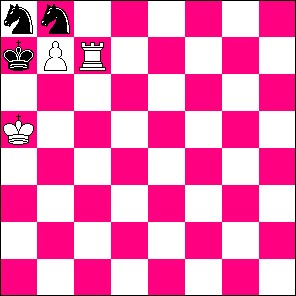
2019_09_04_A


Unknown
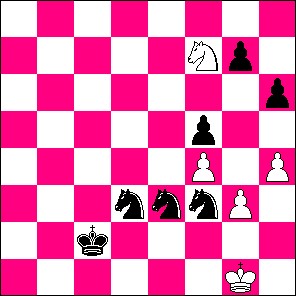
White to Mate in 1

2019_09_04_B


White’s first move in both problems is, of course, an underpromotion. Just not to his own color. In the first diagram, White checkmates with 1.g8=black Knight, while in the second, he mates with 1.bxa8=Black Rook.


The exact rule for underpromotion is that a player may promote to a Queen, Rook, Bishop or Knight of his own color.


There is at least one more misunderstood area of underpromotion. Some players insist that you may not legally promote to a piece that did not come with the original set. That means you could not promote a pawn if you still had your original seven pieces (Not counting the King; if you need to promote to a King it probably means that you’ve already lost the game). And you certainly could not have three Knights on the board at the same time. The pawn then must remain immobile after reaching the 8th rank.


However, the rule clearly states that you may have three (or more!) Knights. You can promote to a dark colored Bishop, even if your original one is still on the board. You may also have as many as nine Queens at the same time (eight promoted pawns plus the original Queen). In fact, the biggest obstacle to having nine Queens at the same time may be your opponent, who may not want to defend against the armada!


This may seem simple enough, but there is still confusion out there in the tournament arena.


The following is a game played by the author;


Ko-Escalante
Southern California Open, 1996

2019_09_04_C


47.Nd3+ Kb1 48.Ke1 [48.Nc1? and Black can either play 48…Nf3+ or 48…Nf6 (with the idea of Ne4), winning in either case. Now back to the underpromotion theme. If Black promotes to a Queen, White would be forced to take the Queen with 49.Nxc1 Kxc1. The two Knights versus none are overwhelming, but if Black underpromotes then White could conceivably ignore the new piece. In any case, Black loses nothing by underpromoting.] 48…c1=N [Now White went off to the Tournament Director (TD), complaining that Black could not have three Knights on the board at the same time. And I should promote to a Queen. What did he expect to win by that argument!? The TD told him my move was legal and sent him back to the game. Where he promptly erred.] 49.Ne5? (Now three Knights versus one are better odds for White’s survival than two Knights versus none. But when White starts moving his Knight away, it becomes three knights versus none. And the White King is soon overwhelmed.) 49…Kc2 50.Kf1 Nd3 51.Nf7 Ne3+ 52.Kg1 Nf3+


2019_09_04_D

0-1 And mate next move.


Back to School!

Labor Day has traditionally been the last day of summer vacation. It’s a time to go back to school and re-engage the brain.


Perhaps you already started school. But whether you did or not, it’s time to exercise more than a suntan. We have to get you ready for your daily quizzes, your tests, and your exams.


What better way start than a short, but not-so-easy chess quiz?


So……


Here it is! You can’t use the Internet, nor books, and no help from your friends. It is a quiz, after all!


(well…. ok – you can use friendly help.)


Answers and explanations available on PDF file, should you need them (and you will).


~~~~~~~~~~~~~~~~~~~~~~~


Pub-Quizzes


ROB’S BASIC CHESS QUIZ


1) Where did the word, CHECKMATE, come from?


a) The Australians had morbid, slightly amusing, phrase that was most popular during WWII.  It was, “CHECK ON THE MATE PLEASE. HE’S DEAD”.

b) A term in which a sailing ship would briefly hit (or “checked”) another boat in order to board it, esp. in acts of piracy.

c) A Sanskrit phrase meaning “THE KING IS DEAD”.

d) An ancient Pharaoh’s curse.


2) Which chess piece is also the name of a GM?

(a) KING

(b) QUEEN

(c) ROOK

(d) KNIGHT

(e) SPRINGER


3) Who was not a World Chess Champion from the United States before Bobby Fischer?

(a) STEINITZ

(b) BERLINER

(c) LOMBARDY

(d) Trick Question! – Fischer was the first World Champion from the United States

(e) BELLE


4) Which word does not belong?

(a) CHECKMATE

(b) STALEMATE

(c) CASTLING

(d) RESIGNATION

(e) DRAW


5) Which word does not belong?

(a) KING

(b) QUEEN

(c) KNIGHT

(d) CASTLE

(e) PAWN

(f) ROOK

(g) RESIGN

(h) SACRIFICE

(i) ELO


6) Which word does not belong?

(a) PARIS

(b) MOSCOW

(c) VIENNA

(d) BERLIN

(e) BUDAPEST


7) A “RINGED PIECE” refers to:

 
(a) A pendant that hangs from the neck that is, or features, a chess piece.

(b) A piece of art created by Ringo Starr, who was inspired by Lennon’s chess set that featured two sets of white pieces to indicate harmony.

(c) A piece on the chessboard with a ring around it, indicating that this piece was to be the one to deliver the checkmate.


8) What is the definition of SCACCHIC?

(a) [n. the Computer World Champion for 1981.]

(b) [n. a famous correspondence player of the 1950’s who came up with a new move in the Two Knights Defence.]

(c) [adj. of or relating to chess.]

(d) [adj. referring to the queenside in chess.]

(e) [adj. referring to a dive into the ocean by leaping far off the side of a cliff.]


Answers below : 

Robs_Words_Quiz_Answers


Chess Computers in 1977

Before we start, I capitalize the name of chess playing computers to clarify who (or what?) is playing White or Black. Now let’s get to the main event.


~~~~~~~~~~~~~~~~~~~~~~~~~~~~~~~~~~~~~~~~~~~


computerchess1


Chess computers, of course, had been in development for a couple of decades before 1977. But in that year, several notable events brought the chess computer to the public’s attention.


But let’s first mention that the International Computer Chess Association was established, which is important to this article, even if the public was not aware of it.


More worthy for public interest was the first microcomputer chess playing machines, CHESS CHALLENGER and BORIS, were created and sold to the general public. You could now buy a computer to play chess. Even better was the fact they were not too strong and existed more of a novelty than a challenge, making them easy prey to most players. Nevertheless, I heard many people brag how they “beat the computer”, or they were “better than a computer”. What they sometimes forget to mention they played the same opening repeatedly, until they got the result they wanted. Not exactly cheating, but not entirely honest either! (I must pause and smile here, as I the only reason I didn’t do such things was that I couldn’t afford these machines).


Also, in 1977, CHESS 4.6, a stronger machine than either CHESS CHALLENGER or BORIS, became the first chess computer to win a major chess tournament. That occurred at 84th Minnesota Open in February of 1977. It achieved an Expert USCF rating.


In August, SNEAKY PETE played in the U.S. Open. It was the first machine to do so, was promoted and gathered much attention, but its results were not impressive.

The December 1977 issue of Chess Life and Review had this to say;


“Computers were everywhere during the U.S. Open. A major attraction for the entire tournament was SNEAKY PETE. The poor machine had to stick it out on Board 69 for the entire two weeks and was constantly surrounded and scrutinized by Class As and Experts. SNEAKY rated 1209, was so nervous he lost seven games in a row. And every back-rank mate was immortalized in the daily games bulletins.”


In 1977, Michael Stean, who earlier in the year earned the GM title, became the first Grandmaster to lose a computer program.


CHESS 4.6-GM Michael Stean
Blitz Game
London, 1977
1.e4 b6 2.d4 Bb7 3.Nc3 c5 4.dxc5 (This does not seem best. 4.d5!? is probably better.) 4…bxc5 5.Be3 d6 6.Bb5+ Nd7 7.Nf3 e6 8.O-O a6 9.Bxd7+ Qxd7 10.Qd3 Ne7 11.Rad1 Rd8 12.Qc4 Ng6 13.Rfe1 Be7 14.Qb3 Qc6 15.Kh1 O-O 16.Bg5 Ba8 17.Bxe7 Nxe7 18.a4 Rb8 19.Qa2 Rb4 20.b3 f5 21.Ng5 fxe4 22.Ncxe4 Rxf2 23.Rxd6 Qxd6 24.Nxd6 Rxg2 25.Nge4 Rg4 26.c4 Nf5 27.h3 Ng3+ 28.Kh2 Rxe4 29.Qf2 h6 30.Nxe4 Nxe4 31.Qf3 Rb8 32.Rxe4 Rf8 33.Qg4 Bxe4 34.Qxe6+ Kh8 35.Qxe4 Rf6 36.Qe5 Rb6 37.Qxc5 Rxb3 38.Qc8+ Kh7 39.Qxa6 1-0

 
But this was a blitz game. Chess computers still could not compete against World Champions, either current or past, in blitz games, or under tournament conditions.


Fischer (yes, that one!) play three games against a chess computer. The first one is the most well-known and perhaps his best effort.


Greenblatt was the name of the programmer. I do not know the name of his computer, or if it even had one, so I’ll just use his name.


Here are the three games Fischer was known to have played after his 1972 World Championship win.


GM Fischer-GREENBLATT
Cambridge, 1977
1.e4 e5 2.f4 exf4 3.Bc4 d5 4.Bxd5 Nf6 5.Nc3 Bb4 6.Nf3 O-O 7.O-O [Fischer liked to experiment with the Bishop’s Gambit, probably as a result of publishing an article titled, The King’s Gambit is Busted, where he showed how Black should win after 1.e4 e5 2.f4 exf4 3.Nf3 d6. Here’s a game from his simul tour of 1964: GM Fischer-Nyman, Simul, Cicero, May 20 1964, 7.O-O Bxc3 8.dxc3 c6 9.Bc4 Qb6+ 10.Kh1 Nxe4 11.Qe1 Re8 12.Bxf4 Nd6 13.Bxd6 Rxe1 14.Raxe1 Bd7 15.Ng5 Na6 16.Rxf7 1-0.] 7…Nxd5 8.Nxd5 Bd6 9.d4 g5 10.Nxg5 Qxg5 11.e5 Bh3 12.Rf2 Bxe5 13.dxe5 c6

2019_08_22_A
14.Bxf4 +- Qg7 15.Nf6+ Kh8 16.Qh5 Rd8 17.Qxh3 Na6 18.Rf3 Qg6 19.Rc1 Kg7 20.Rg3 Rh8 21.Qh6mate 1-0


GREENBLATT-GM Fischer
Cambridge, 1977
1.e4 c5 2.Nf3 g6 3.d4 Bg7 4.Nc3 cxd4 [Black tried the original 4…b6 in GM Božidar Ivanović-Grigic, Vinkovic, 1982 and lost after the spectacular 5.dxc5! bxc5 6.Qd5 Bxc3+ 7.bxc3 Qa5 8.Qxa8 Qxc3+ 9.Kd1! 1-0.] 5.Nxd4 Nc6 6.Be3 Nf6 7.Nxc6 bxc6 8.e5 Ng8 9.f4 f6 10.exf6 Nxf6 11.Bc4 d5 12.Be2 Rb8 13.b3 Ng4 14.Bd4 e5 15.fxe5 O-O 16.Bxg4 Qh4+ 17.g3 Qxg4 18.Qxg4 Bxg4 19.Rf1 Rxf1+ 20.Kxf1 c5 21.Bf2 Bxe5 22.Be1 Rf8+ 23.Kg2 Rf3 24.h3 Rxc3 25.Bxc3 Bxc3 26.Rf1 Bf5 27.Rf2 h5 28.Re2 Kf7 29.Re3 Bd4 30.Rf3 Ke6 31.c3 Be5 32.Re3 d4 33.cxd4 cxd4 34.Re1 d3 35.h4 d2 36.Rd1 Bc3 37.Kf2 Bg4 38.Rh1 Bd4+ 39.Kg2 [Any player would automatically see that promoting the pawn would force White to part with his rook for bishop (winning the exchange and eventually win the game). Fischer, however, wants the rook for free.]
2019_08_22_B
39…Kd5! 40.a3 Ke4 41.Rf1 Kd3 42.Kh2 Ke2 43.Kg2 Bh3+ 44.Kxh3 Kxf1 45.b4 d1=Q 46.Kh2 Qe2+ 47.Kh3 Qg2mate 0-1


GREENBLATT-GM Fischer
Cambridge, 1977
1.e4 c5 2.Nf3 d6 3.d4 cxd4 4.Nxd4 Nf6 5.Nc3 a6 6.Be2 e5 7.Nb3 Be7 8.Be3 O-O 9.Qd3 Be6 10.O-O Nbd7 11.Nd5 Rc8 12.Nxe7+ Qxe7 13.f3 d5 14.Nd2 Qb4 15.Nb3 dxe4 16.Qd1 Nd5 17.Ba7 b6 18.c3 Qe7 19.fxe4 Ne3 20.Qd3 Nxf1 21.Qxa6 Ne3 22.Bxb6 Qg5 23.g3 Ra8 24.Ba7 h5 25.Qb7 h4 26.Kf2 hxg3+ 27.hxg3 f5 28.exf5 Rxf5+ 29.Ke1 Raf8 30.Kd2 Nc4+ 31.Kc2 Qg6 32.Qe4 Nd6 33.Qc6 Rf2+ 34.Kd1 Bg4 35.Bxf2 Qd3+ 36.Kc1 Bxe2 37.Nd2 Rxf2 38.Qxd7 Rf1+ 39.Nxf1 Qd1mate 0-1


It would take another two decades for chess computers to score a win against World Champion.

An Introduction to the Magnus Smith Trap.

An early …Nc6 in the Sozin Dragon (1.e4 c5 2.Nf3 d6 3.Nc3 Nf6 4.d4 cxd4 5.Nxd4 g6 6.Bc4 Nc6?!) is not particularly useful, or even safe, for Black. White has a forceful reply with after 7.Nxc6 bxc6 8.e5. It’s now more commonly known as the Magnus Smith trap.


The trap was well known before the 20th century. A 19th century example is given below.


Blackburne-Paulsen
Vienna, 1882
1.e4 c5 2.Nf3 Nc6 3.Nc3 Nf6 4.d4 cxd4 5.Nxd4 d6 6.Bc4 g6 7.Nxc6 bxc6 8.e5 Ng4 9.exd6 Qxd6 10.Qe2 Bg7 11.Ne4 Qc7 12.h3 Ne5 13.Bf4 Nd3+ 14.cxd3 Qxf4 15.O-O O-O 16.Rac1 Rb8 17.Rc2 Rb6 18.a3 Be5 19.g3 Qf5 20.g4 Qf4 21.Ng3 Qd4 22.Qf3 Rxb2 23.Ne2 Qb6 24.Rxb2 Qxb2 25.d4 Bd6 26.a4 Bb7 27.Qd3 Qb6 28.Rb1 Qc7 29.h4 Qd7 30.Qf3 Bc8 31.g5 Qh3 32.Qxh3 Bxh3 33.Rb3 Bc8 34.Nc3 Kg7 35.Ne4 Bc7 36.d5 cxd5 37.Bxd5 Rd8 38.Bc6 Bb6 39.Kg2 f5 40.gxf6+ exf6 41.h5 f5 42.Ng5 Rd2 43.Nh3 Rd6 44.Bf3 Rd2 45.hxg6 hxg6 46.Bc6 Kh6 47.Kg3 g5 48.Rc3 g4 49.Be8 Bb7 50.Bc6 Ba6 51.Bg2 gxh3 52.Rc6+ Kg7 53.Bxh3 Bb7 54.Re6 Bxf2+ 55.Kh2 Bh4+ 56.Kg1 Bd5 57.Rd6 Bf2+ 0-1

 
So why is this trap known as the Magnus Smith trap, and not the Blackburne trap?


For at least two reasons. One is that Blackburne didn’t play the best moves and lost the game, so most players did not notice how powerful White’s attack could be.


Secondly, the first known player to properly analyze the trap and have it published was the Canadian player, Magnus Smith (1869–1934). A player of master strength, he played this now well-known trap against Kreymborg in the sixth round of the 1911 New York Masters Open and won in 49 moves.


This game, plus a related article by Smith, was published in the March 1911 issue of the American Chess Bulletin. The game can be found on page 59 and the article on pages 62-63.


Magnus Smith-Alfred Kreymborg
New York Masters Open, 1911
1.e4 c5 2.Nf3 Nc6 3.d4 cxd4 4.Nxd4 Nf6 5.Nc3 d6 6.Bc4 g6 7.Nxc6 bxc6 8.e5 Ng4 (Of course not, 8…dxe5?? because of 9.Bxf7+, winning the queen. A trap not easy to see, but only if you have seen it played before. Many beginners have been on the wrong side of it.) 9.Bf4 (This is perhaps White’s best move.) 9…d5 (The text move, along with 9…Qb6 10.Qf3, are the two main responses to 9.Bf4.) 10.Nxd5 cxd5 11.Bxd5 Be6 12.Bc6+ Bd7 13.Bxa8 Qxa8 14.O-O Bg7 15.Re1 h5 16.Qd2 Bc6 17.Rad1 Nh6 18.c4 Nf5 19.f3 O-O 20.Qc2 e6 21.b4 a6 22.a4 Qa7+ 23.Kh1 Rc8 24.b5 Be8 25.Qe4 Bf8 26.Re2 Be7 27.g4 hxg4 28.fxg4 Ng7 29.Be3 Qa8 30.Qxa8 Rxa8 31.Rc1 axb5 32.axb5 Rc8 33.Kg2 Kf8 34.Kf3 Bd7 35.Rd1 Be8 36.Rc1 Bd7 37.Ra2 Bd8 38.Rd2 Be8 39.Rb2 Rb8 40.Ke2 Bc7 41.Bd4 Bd7 42.Rcb1 Ne8 43.c5 f6 44.c6 fxe5 45.Be3 Bc8 46.b6 Bd6 47.b7 e4 48.Ba7 Be5 49.Bxb8 1-0


The Magnus Smith trap has been named after him for his game, commentary, and publication of this now well-known trap.

 
Let’s look at some other games with this trap.


After 8.e5 Black has 8…Nh5, but this is not recommended as White has 9.Qf3!, which is almost winning.


GM Fischer-N.N.
Simul
New York, 1963
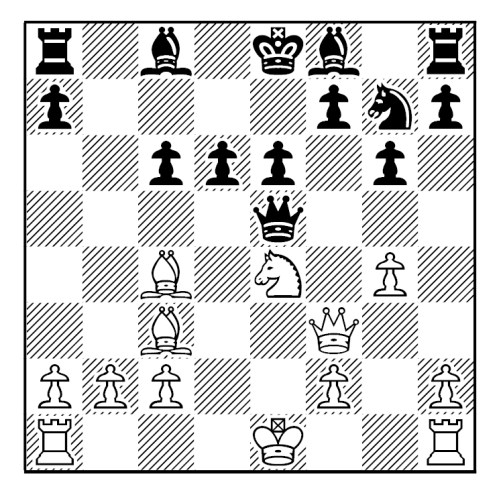
1.e4 c5 2.Nf3 Nc6 3.d4 cxd4 4.Nxd4 Nf6 5.Nc3 d6 6.Bc4 g6 7.Nxc6 bxc6 8.e5 Nh5 9.Qf3 e6 (9…d5? 10.Nxd5! cxd5 11.Bxd5) 10.g4 Ng7 11.Ne4 Qa5+ (11…d5? 12.Nf6+ Ke7 13.Qa3+ Qd6 14.Qxd6#) 12.Bd2 Qxe5 13.Bc3 (trapping the Queen.)
2019_08_15_A
1-0


Bilek-Bachtiar
Beverwijk, 1966
1.e4 c5 2.Nf3 Nc6 3.d4 cxd4 4.Nxd4 Nf6 5.Nc3 d6 6.Bc4 g6 7.Nxc6 bxc6 8.e5 Nh5 9.Qf3 e6 10.exd6 Qxd6 11.O-O Bb7 12.Rd1 Qc5 13.Qd3 (with the threat of 14.Qd7#) 13…Qe7 (13…Nf6 14.Ne4!) 14.Bg5! f6 15.Be3 Kf7 16.Qd7 (threatening 17.Bxe6 Qg7 18.Qxe7+ Bxe7 19.Rd7 ; 16…Ng7 17.Bc5) 1-0


Sarapu-Cornford
New Zealand Ch.
Christchurch, 1967
1.e4 c5 2.Nf3 Nc6 3.d4 cxd4 4.Nxd4 Nf6 5.Nc3 d6 6.Bc4 g6 7.Nxc6 bxc6 8.e5 Nh5 9.Qf3 e6 10.exd6 Qxd6 11.g4 Ng7 12.Bf4 e5 13.Bxf7+ Kd7 14.Rd1 exf4 15.O-O Ba6 16.Ne4 Bxf1 17.Nxd6 Bxd6 18.Qxf4 1-0

 
Black also has the better 8…Nd7, but White again gets the advantage.


GM Fischer-Wilkerson
Clock Simul
Davis, Apr. 16 1964
1.e4 c5 2.Nf3 Nc6 3.d4 cxd4 4.Nxd4 Nf6 5.Nc3 d6 6.Bc4 g6 7.Nxc6 bxc6 8.e5 Nd7 9.exd6 exd6 10.O-O d5 11.Nxd5 +/- Nc5 (11…cxd5 12.Qxd5! +-) 12.Qd4 cxd5 13.Bb5+ Bd7 14.Bxd7+ Qxd7 15.Qxh8 f5 16.Re1+ Ne6 17.Qf6 1-0


Imannuel Guthi-E. O’Hare
Tel Aviv Ol.
Israel, 1964
1.e4 c5 2.Nf3 Nc6 3.d4 cxd4 4.Nxd4 Nf6 5.Nc3 d6 6.Bc4 g6 7.Nxc6 bxc6 8.e5 Nd7 9.exd6 exd6 10.O-O d5 11.Nxd5 Nc5 12.Qf3 (with the idea of Nf6+) 12…f5 (better is 12…Bg7) 13.Re1+ Kd7 (13…Ne4 14.Rxe4+ fxe4 15.Qxe4+ +-; 13…Kf7 14.Nc7+ and Ne8+ +-) 14.Bf4 Ne4 15.Rad1 Nd6 16.Nb4 Qb6 17.Qc3 Bb7 18.Be6+ (18.Rxd6+ Bxd6 19.Qe7+ +-) 18…Kc7 19.Nd5+ 1-0


Rhee-Hinrichsen
El Segundo, CA, 1969
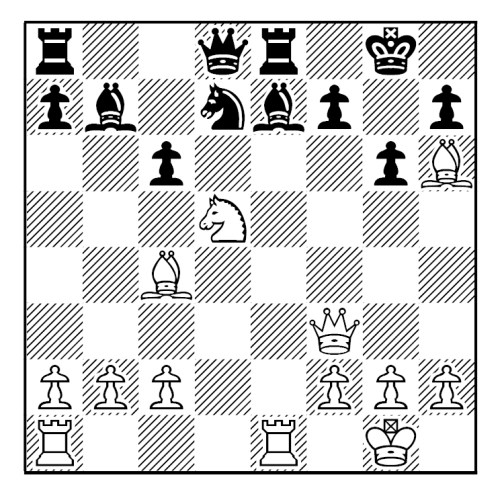
1.e4 c5 2.Nf3 Nc6 3.d4 cxd4 4.Nxd4 d6 5.Nc3 Nf6 6.Bc4 g6 7.Nxc6 bxc6 8.e5 Nd7 9.exd6 exd6 10.O-O Be7 11.Re1 O-O 12.Bh6 Re8 13.Qf3 d5 14.Nxd5 Bb7
2019_08_15_B
15.Qxf7+!! Kxf7 16.Ne3+ Kf6 17.Ng4+ Kf5 18.Be6mate 1-0


Silva-Sosonko
Lucerne Ol., 1982
1.e4 c5 2.Nf3 Nc6 3.d4 cxd4 4.Nxd4 Nf6 5.Nc3 d6 6.Bc4 g6 7.Nxc6 bxc6 8.e5 Nd7 9.exd6 Qxd6 10.Qxd6 exd6 11.Bf4 Be6 12.Bb3 d5 13.h3 Nf6 14.Be5 Be7 15.O-O O-O 16.Rhe1 Nd7 17.Bf4 Nc5 18.Ne2 a5 19.Nd4 Rfc8 20.c3 Bf6 21.Bc2 Bd7 22.Be5 Kg7 23.Bxf6+ Kxf6 24.Re3 Re8 25.Rde1 Rxe3 26.Rxe3 Ne6 27.Ba4 Rc8 28.Nf3 Ra8 29.Nd4 Ra6 30.Nf3 Ke7 31.c4 Rb6 1/2-1/2


Ladic (2195)-Mutapcic
Croatia U20 Team Ch.
Medulin, 1997
1.e4 c5 2.Nf3 d6 3.d4 cxd4 4.Nxd4 Nf6 5.Nc3 Nc6 6.Bc4 g6 7.Nxc6 bxc6 8.e5 Nd7 9.exd6 e5?! 10.Qf3 Nf6 11.Bg5 Bg7 12.Ne4 Bf5 13.Nxf6+ Bxf6 14.Bxf6 e4 15.Qc3 Qxd6 16.Bxh8 O-O-O 17.Ba6+ 1-0


Which brings us back to 9…Ng4, which as mentioned before, is Black’s best move as he has some counterplay. But it’s not an easy thing to discover, especially with the clock ticking in a rated OTB game.


White has two good responses here; 9.e6 and 9.Bf4.


Let’s see games from both.


Schlechter-Lasker
World Ch.
Berlin, 1910
1.e4 c5 2.Nf3 Nc6 3.d4 cxd4 4.Nxd4 Nf6 5.Nc3 d6 6.Bc4 g6 7.Nxc6 bxc6 8.e5 Ng4 9.e6 f5 10.O-O Bg7 11.Bf4 (It seems White has the advantage and should win. But Lasker was at his best when facing an uphill battle.) 11…Qb6 12.Bb3 Ba6 13.Na4 Qd4 14.Qxd4 Bxd4 15.c4 O-O 16.Rad1 Bf6 17.Rfe1 g5 18.Bxd6 exd6 19.Rxd6 Be5 20.c5 Rfe8 21.g3 Bf6 22.Rxc6 Bb7 23.Rc7 Be4 24.Nc3 Bxc3 25.bxc3 Ne5 26.Rd1 Nf3+ 27.Kf1 Nxh2+ 28.Ke1 Nf3+ 29.Ke2 Ne5 30.Rdd7 f4 31.Rg7+ Kh8 32.Rxg5 Bd3+ 33.Kd1 fxg3 34.fxg3 Ng6 35.Rd5 Be4 36.Rd6 Bf5 37.Bd5 Rab8 38.c6 Nf8 39.Rb7 Rbc8 40.e7 Ng6 41.Bf7 Rxe7 42.Bxg6 Bg4+ 43.Kc1 Re1+ 44.Kb2 hxg6 45.Rxg6 Bf5 46.Rf6 Be4 47.Rxa7 Rb1+ 48.Ka3 Bxc6 1/2-1/2


Blatny-Dasek
Chocen, 1950
1.e4 c5 2.Nf3 Nc6 3.d4 cxd4 4.Nxd4 Nf6 5.Nc3 d6 6.Bc4 g6 7.Nxc6 bxc6 8.e5 Ng4 9.e6 f5 10.Bf4 d5
2019_08_15_C
11.Nxd5 cxd5 12.Bb5+ (A tactic worth remembering.) 1-0


M. Costa-Saltzberg
US Open, 1972
1.e4 c5 2.Nf3 Nc6 3.d4 cxd4 4.Nxd4 Nf6 5.Nc3 d6 6.Bc4 g6 7.Nxc6 bxc6 8.e5 Ng4 9.e6 f5 10.Qe2 Bg7 11.h3 Nf6 12.h4 d5 13.Ba6 Bxa6 14.Qxa6 Qd6 15.Qe2 O-O 16.Bd2 Rab8 17.O-O Rxb2 18.Kxb2 Ne4 19.Rb1 Qb4+ 20.Kc1 Qa3+ 21.Kd1 Bxc3 22.Rb3 Qxa2 23.Bxc3 Qxb3 24.Qxe4 Qxc3 25.Qa4 Rb8 26.Ke2 Rb4 27.Qxa7 Qxc2+ 28.Ke3 f4+ 29.Kf3 Qe4+ 0-1


Reijnen-Marino
corres.
IECG 1995
1.e4 c5 2.Nf3 Nc6 3.d4 cxd4 4.Nxd4 Nf6 5.Nc3 d6 6.Bc4 g6 7.Nxc6 bxc6 8.e5 Ng4 9.e6 f5 10.Bb3 Bg7 11.O-O Ba6 12.Re1 Be5 13.h3?
2019_08_15_D
13…Bh2+ (14.Kh1 Nxf2+) 0-1


And now for 9.Bf4, which is best approach as it activates a piece and keeps pressure on some key squares. Here’s another reason to think it’s the best move. Any move that is preferred in correspondence chess is usually the best, as correspondence players have days, and even longer, to decide on their next move.


Flykt-Johansson
corres., 1947
1.e4 c5 2.Nf3 Nc6 3.d4 cxd4 4.Nxd4 Nf6 5.Nc3 d6 6.Bc4 g6 7.Nxc6 bxc6 8.e5 Ng4 9.Bf4 Qb6 10.Qf3 e6 11.exd6 Bg7 12.O-O-O Ne5 13.Bxe5 Bxe5 14.d7+ Bxd7 15.Rxd7 1-0


Beach-Graham
corres.
Great Britain, 1975
1.e4 c5 2.Nf3 Nc6 3.d4 cxd4 4.Nxd4 Nf6 5.Nc3 d6 6.Bc4 g6 7.Nxc6 bxc6 8.e5 Ng4 9.Bf4 Qb6 10.Qf3 Bf5 11.exd6 e5 12.d7+ Kxd7 13.Rd1+ Bd6 14.Bc1 Rhf8 15.h3 Nf6 16.g4 Qb4 17.Bb3 Be4 18.Qxf6 Bxh1 19.a3 Qb7 20.Bg5 Bd5 21.Nxd5 cxd5 22.Bxd5 Qxb2 23.Bxa8 1-0


Kapic-Movre
corres.
Yugoslavia Ch., 1978
1.e4 c5 2.Nf3 Nc6 3.d4 cxd4 4.Nxd4 Nf6 5.Nc3 d6 6.Bc4 g6 7.Nxc6 bxc6 8.e5 Ng4 9.Bf4 Qb6 10.Qf3 dxe5 11.Bxf7+ Kd8 12.Bg3 Bg7 13.O-O Kc7 14.Qe2 Rf8 15.h3 Ne3 16.Bb3 Nxd1 17.Bxe5+ Bxe5 18.Qxe5+ Kd8 19.Rxd1+ Ke8 20.Re1 Qb4 21.Re4 Qb7 22.Nd5 1-0

Markotic-Tomkowicz
corres., 1980
1.e4 c5 2.Nf3 Nc6 3.d4 cxd4 4.Nxd4 Nf6 5.Nc3 d6 6.Bc4 g6 7.Nxc6 bxc6 8.e5 Ng4 9.Bf4 Bh6 10.e6 Bxf4 11.Qxg4 Be5 12.exf7+ Kf8 13.Qf3 d5 14.Bb3 Kg7 15.O-O e6 16.h4 Rf8 17.Ne2 Qf6 18.Qxf6+ Bxf6 19.f4 Rxf7 20.c3 a5 21.Ba4 c5 22.g3 Rb8 23.Rhe1 Rfb7 24.Rd2 Rb6 25.Ng1 Bxc3 0-1


Hentzgen-Melzer
corres.
E. Germany, 1988
1.e4 c5 2.Nf3 Nc6 3.d4 cxd4 4.Nxd4 Nf6 5.Nc3 d6 6.Bc4 g6 7.Nxc6 bxc6 8.e5 Ng4 9.Bf4 d5 10.Nxd5 Bg7 11.e6 cxd5 12.exf7+ Kf8 13.Qxd5 Bf5 14.h3 Nf6 15.Qxd8+ Rxd8 16.c3 h5 17.Ke2 e6 18.Be3 a5 19.f3 Kxf7 20.Rhd1 Nd5 21.Bxd5 exd5 22.Kf2 Rb8 23.Rd2 Be6 24.Re1 Rhe8 25.Bf4 Rb7 26.g4 hxg4 27.hxg4 Bf6 28.g5 Bxg5 29.Bxg5 Reb8 30.Ree2 Rb5 31.Kg3 Rh8 32.Rd4 Rh5 33.Bf4 Rh1 34.Bd6 g5 35.a4 Rb3 36.Bc7 Rb1 37.Rdd2 Ra1 38.Bxa5 Rxa4 39.Bb4 Ra2 40.f4 gxf4+ 41.Kxf4 d4 42.Rf2 dxc3 43.Ke5+ Kg6 44.Bxc3 Ra4 45.Kxe6 1-0


Vayrynen-Ullrich
corres., 1990
1.e4 c5 2.Nf3 Nc6 3.d4 cxd4 4.Nxd4 Nf6 5.Nc3 d6 6.Bc4 g6 7.Nxc6 bxc6 8.e5 Ng4 9.Bf4 d5 10.Nxd5 cxd5 11.Bxd5 Bf5 12.f3 Nh6 13.Bxa8 Qxa8 14.Qd2 Ng8 15.O-O h5 16.Be3 Bg7 17.Qa5 Nh6 18.Qa4+ 1-0


Rezan-Kuraja
Croatian Cup
Pula, 1996
1.e4 c5 2.Nf3 Nc6 3.d4 cxd4 4.Nxd4 d6 5.Nc3 Nf6 6.Bc4 g6 7.Nxc6 bxc6 8.e5 Ng4 9.Bf4 d5 10.Nxd5 cxd5 11.Qxd5 Qxd5 12.Bxd5 Rb8 13.h3 Nh6 14.Bc6+ Kd8 15.e6 Rb6
2019_08_15_E
16.O-O-O+ Bd7 17.Rxd7+ Kc8 1-0


So the main line of the Magnus Smith is 1.e4 c5 2.Nf3 Nc6 3.d4 cxd4 4.Nxd4 Nf6 5.Nc3 d6 6.Bc4 g6 7.Nxc6 bxc6 8.e5 Ng4 9.Bf4. There are many alternate moves to the games above. And I’ll let you explore them on your own.