(1) Team A and Team B are playing in a team tournament. All teams have four players on their team. This is so that all teams involved a match have an equal number of white and black on the boards.
Team A is considered a favorite to win the event while Team B will probably finish in the middle of the tournament.
A few moves into the match, it is becoming obvious that Team B is simply copying moves from Team A. Team A player would play 1.e4 on board 1 and then the player on Team B would copy the move on board 2. After a few moves identical position would appear on boards on and two. And a different, but identical position would appear on boards 3 and 4.
You are the captain of Team A. What do you do?
And now you are the Tournament Director (TD). The incident has come to your attention. What do you do?
(2) At another tournament Player 1 refuses to play another player because he is Black. Of you want, the second player is gay, a woman, a person in a wheelchair, a Christian (he is wearing a crucifix), an atheist, a Communist (he is wearing a red shirt), or he can speak Spanish).
You are the second player. What you do?
You are the TD. You are convinced that above is true because player 1 has exclaimed, “I refuse to play my opponent because he is Black (or gay, a woman, etc.)” Again, what do you do?
(3) You are a TD in a big money tournament in the United States. One of the players brings out his cell phone and places it on the table. He tells you it is for music, he likes listening to music when playing. And then puts on his earphones.
Most of us have played the King’s Gambit, and some of us still do. It’s a good opening to learn tactics and, occasionally, strategies. The majority of the games start with 1.e4 e5 2.f4 exf4 3.Nf3. Black can continue with 3…g5 and try to hold on his extra pawn, or play for his own attacking possibilities.
A rarer response is 3.Bc4, known as the Bishop Gambit. This variation allows White to explore relatively unknown territory.
Black usually counters with 3…Qh4+ moving the king, preventing White from castling, and isolating the h1-rook for at least the time being. But a queen check rarely ends the game. Black needs more active pieces to start any attack. He can try, after 3.Bc4 Qh4 4.Kf1, with 4…d5 and 4…Nf6, both leading to strong tactical play.
But perhaps the stronger reply is also the rarest. Black can play 4…b5!? The idea is since Black is up a pawn, he can give one up and still be of material equality and can even gain a tempo if White plays 5.Bxb5 (which is the most common move). And the extra tempo comes when Black plays 5…Bb7. This puts the bishop on the long diagonal to the white king, unable to castle.
Does this mean the Black wins? Not by a long shot! White has a lot of momentum built up, just waiting for Black to slip.
Here is the Immortal Game!
Anderssen-Kieseritzky London, 1851 [The “Immortal Game”] [Chernev, 1000 Best Short Games of Chess, #945 ; Tartkower, 500 Master Games of Chess, #227 ; Seirawan+Minev, Take My Rooks, pg. ix-xi] 1.e4 e5 2.f4 exf4 3.Bc4 Qh4+ 4.Kf1 b5 5.Bxb5 Nf6
[It is a toss-up whether the immediate 5…Bb7 or 5…Nf6, delaying the Bb7 until the knight is better positioned.
Here are two games with 5…Bb7.
Harrwitz-Kieseritzky London, 1847 1.e4 e5 2.f4 exf4 3.Bc4 Qh4+ 4.Kf1 b5 5.Bxb5 Bb7 6.Nc3 Bb4 7.d3 Bxc3 8.bxc3 Nf6 9.Nf3 Qh5 10.Rb1!? g5!? (Black attacks on the side which the White king resides.) 11.Bxd7+ Nbxd7 12.Rxb7 O-O 13.Rb5 c5 14.d4 Nxe4 15.dxc5 Nxc3 16.Qxd7 Rad8 17.Qf5 Rd1+ 18.Kf2 Rxh1 19.Bb2 Nd1+ 20.Ke2 Nxb2 21.Rxb2 Rxh2 22.Kf2 g4 23.Qxh5 Rxh5 24.Nd4 Rxc5 25.Rb4 Rd8! (White cannot set up an adequate defence.) 26.Ne2 Rxc2 27.Kf1 Rd1+ 28.Kf2 Rdd2 29.Re4 f5 30.Re5 h5 -+
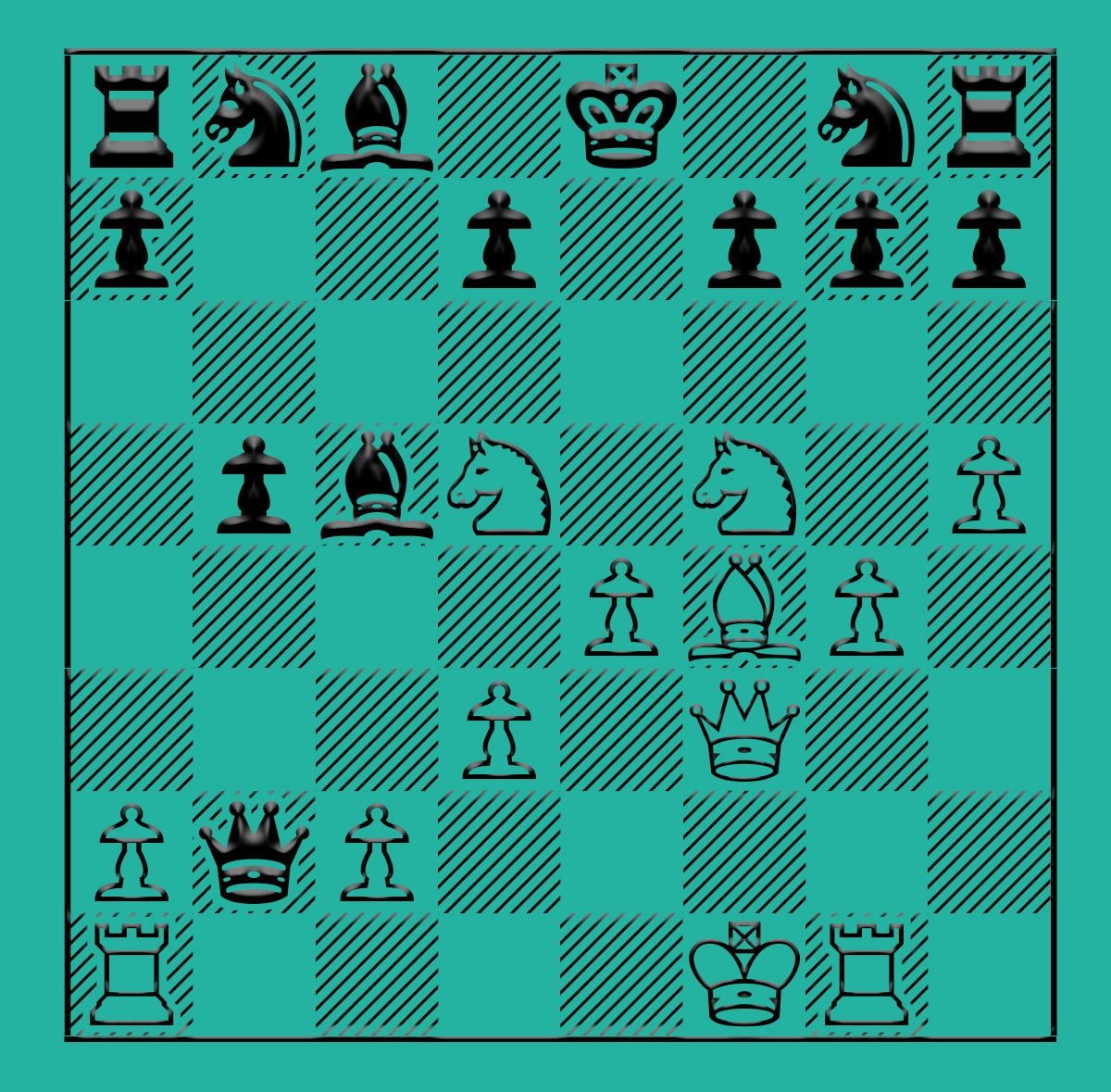
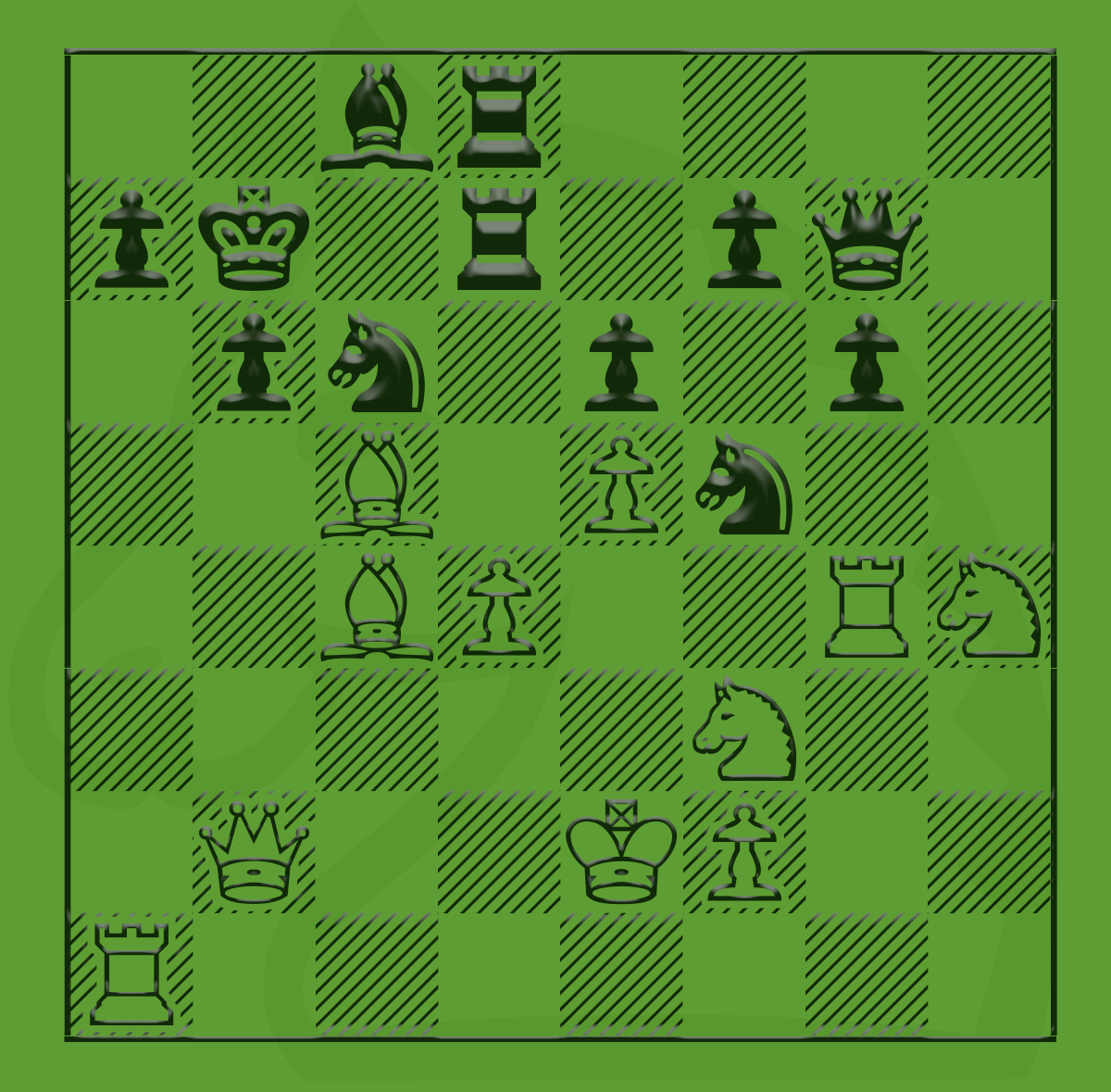
7…Nh5 (Here again 7…g5 is a more natural way of defending the gambit pawn. – Tartakower ; Glazkov and Estrin recommend 7…Bc5!? 8.d4 Bb6, we suggest 7…Be7!? followed by 8…Nh5 or 8…O-O. – Seirawan+Minev) 8.Nh4 [A subtle guard against 8…Ng3+, but 8.Kg1 (or 8.Kf2) would be a blunder on account of 8…Qb6+, followed by …Qxb5. – Tartakower] 8…Qg5 [This simultaneous assault on two pieces proves illusory. Better would be 8…g5 9.Nf5 Qg6. – Tartakower ; According to Kieseritzky, the decisive mistake. He recommends 8…g6! and if 9.g4 (9.g3 Be7) Nf6 10.Ng2 Qh3 11.Bxf4 Nxg4 with advantage for Black. – Seirawan+Minev] 9.Nf5 c6?! [In our opinion, this is the decisive error. Better was 9…g6 10.h4 Qf6!? (Not 10…Ng3+ 11.Ke1! Qf6 12.Nxg3 fxg3 13.Qe2, obviously to White’s advantage – Kieseritzky), when Black is still kicking. – Seirawan+Minev] 10.g4 Nf6 11.Rg1 cxb5 12.h4 Qg6 13.h5 Qg5 14.Qf3 (Threatening to win the Queen by 15.Bxf4, as well as 15.e5 attacking the Rook with his Queen while his King Pawn bites at the Knight. – Chernev) 14…Ng8 15.Bxf4 Qf6 16.Nc3 Bc5 (Black seeks salvation in a counter-attack. Steadier, however, would be 16…Bb7 – Tartakower) 17.Nd5! Qxb2
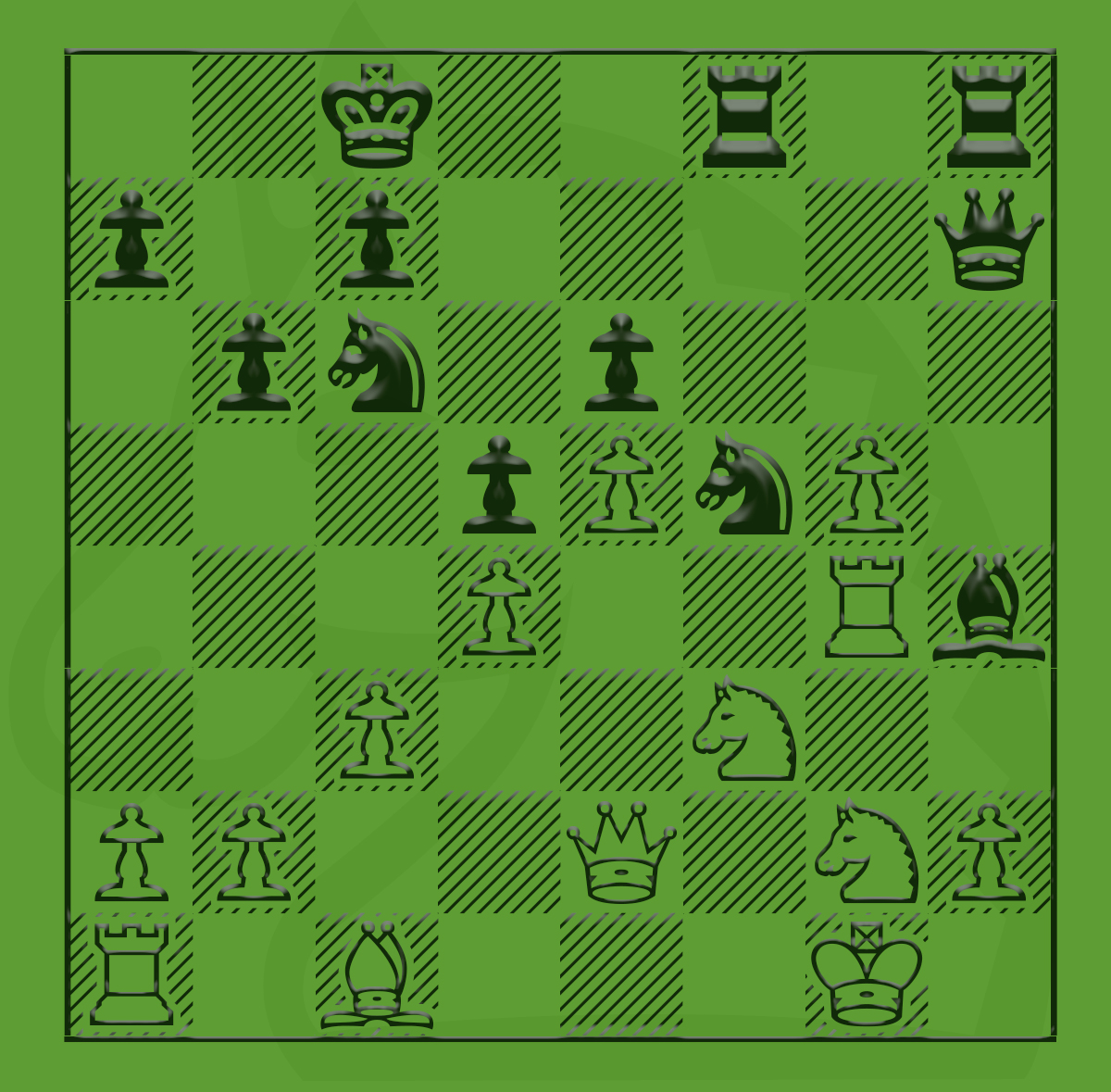
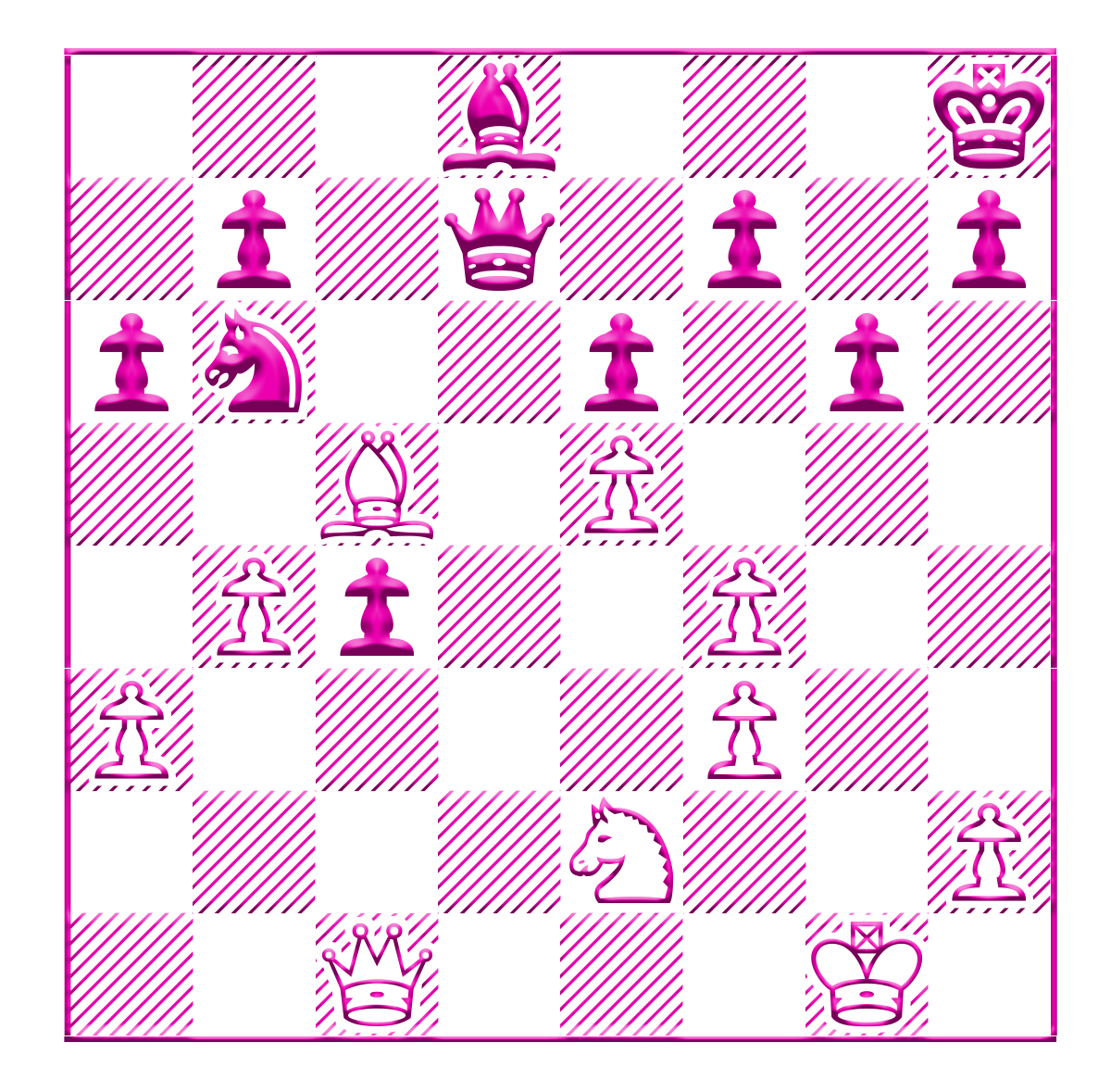
18.Bd6! (“Ganz grossartig gespielt” says Gottschall. – Chernev) 18…Bxg1 [If 18…Qxa1+ 19.Ke2 Qxg1 20.Nxg7+ Kd8 21.Bc7# If 18…Bxd6 19.Nxd6+ Kd8 20.Nxf7+ Ke8 21.Nd6+ Kd8 22.Qf8# – Chernev ; Some confusion exists here. Several authors (e.g. Chernev in “1000 Best Short Games of Chess” and Glazkov, Estrin in Korolevsky Gambit, 1988) give the move order as 18…Bxg1 19.e5 Qxa1. We used the text from “Encyclopedia of Chess Games” and other sources that we felt more authentic. – Seirawan+Minev] 19.e5! (Have another Rook! – Chernev) 19…Qxa1+ (A slight chance of a draw is afforded by 19…Qb2, etc. – Tartakower) 20.Ke2 (With a renewed threat of 21.Nxg7+ Kd8 22.Bc7# – Tartakower) 20…Na6 (Defending against 21.Nxg7+ Kd8 22.Bc7#, but the final blow comes from the other side. – Seirawan+Minev] 21.Nxg7+ Kd8 22.Qf6+! Nxf6 23.Be7mate 1-0 [White has given up a Queen, two Rooks, and a Bishop for one single, miserable Pawn (and mate, the cynic might point out.). – Chernev ; A forced mate by three minor pieces against the full array of the black pieces. – Tartakower]
Annotation is adding evaluations, thematic considerations, analyses, comments, notes and references to other games or manuals.
It is meant to help the chess enthusiast who is playing over a game.
EVALUATIONS, Informator Style
In 1966 the Šahovski Informator (more commonly known as Informator) was first published in Belgrade (then the capital of Yugoslavia). Introduced were many easy-to-understand symbols to help evaluate a game. They included a “+-“, meaning White is winning and “-+” meaning Black is winning. These symbols, because of their simplicity, became standard in annotated games. A more complete list, along with other universal symbols, can be found here:
Chess Engines give a +1.00 if White is pawn ahead. This does not necessarily that White is a physical pawn up in the game. Instead, White has a position that worth a pawn more than Black. An evaluation of +3.00 means that White is up a piece (1 piece = 3 pawns). This means White is winning.
Black’s advantages are indicated by a “-“ sign. So, a -1.00 means Black has a position worth a pawn up and -3.00 means he has a position worth an extra piece.
But they don’t usually tell you why a position is worth +0.45 or why 0.90 is better. Or how to use or exploit your advantage.
Stick with the Informator evaluations.
THEMATIC CONSIDERATIONS
Sometimes it is useful to consider moves that support thematic ideas. For example, one could mention that in the Nimzo-Indian (1.d4 Nf6 2.c4 e6 3.Nc3 Bb4), White wants to put a pawn on e4 with a broad center and threatening .e5. Or one could be reminded that in the King’s Gambit, a tempo is often worth more than a piece.
ANALYSES
Simply put, an analysis is what will happen with best play from both players from a certain position. It can be easy as stating and showing a mate in 10 moves, or how a pawn grab can result in a loss for the player that took the pawn that proved to be poisonous.
COMMENTS and NOTES
Such items can make the game even enriching; more interesting. Here, we are introduced to what a player’s thoughts and concerns may be. And they may be non-chess related (like a how he might worry about missing a bus if he game goes on too long). And maybe he will tell us why he chose a Najdorf rather than a Pirc. (it’s happened before!)
REFERENCES to other games or manuals.
It is common for an annotator to reference the reader to other games that have similar themes in the opening, or other moves he can consider. It is not by only one game that a student learns the Game.
A good annotator is also one to seek out what others have said about the game, the opening, or a sacrifice. And give credit when it is due.
I enjoy annotating games – believe me, it helps and forces me to become better.
And when I do not, usually because someone’s annotations are better than mine, I document it.
Here is my basic format:
[A, B, C]
From a magazine
A=Annotator B= Name of article C=Name of magazine, along with issue date
From a book or web page
A=Annotator B= Name of book or web page C= Game number (such as Chernev’s 1000 Best Short Games of Chess or any other book where the games are numbered).
When something is unknown that section is left blank.
Villanueva-IM Pablo Michel Buenos Aires, 1960 [IM Minev, “Tactic, Tactics, and More Tactics – The Long Dozen”, Inside Chess, May 27 1991, pg. 28/9] 1.d4 Nf6 2.c4 e6 3.Nc3 Bb4 4.Qc2 c5 5.dxc5 Bxc5 6.Nf3 Nc6 7.Bg5 Qa5 8.O-O-O? (Recent theory shows 8.Bd2 Qd8 9.e3 O-O 10.Be2 with a slightly better game.) 8…Nb4 9.Qb3 Ng4! 10.a3 Nc6 11.Ne4 f5 12.Nxc5 Qxc5 13.h3? (White is in trouble. He thinks that in this way the f3-pawn will be saved.) 13…Nxf2! 0-1 (White missed the point that after 14.Be3 Black has 14…Na5 15.Qc3 Nxd1 winning an exchange.)
Phil Thoma (2153)-Kokesh (2009) Team Ch., 1996 [Thoma, Oklahoma Chess Bulletin, Nov. 1996, pg. 7,8] 1.b4 Nf6 2.Bb2 g6 3.e3 Bg7 4.f4 O-O 5.Nf3 d6 6.d3 (The only move to keep a knight on f3 and not trade off the white-squared bishops after 6…Bg4) 6…c6 (Announcing his intention of sending the lady to b6 where it hits two pawns and also keeps an eye on white’s ambitions.) 7.a4 (I wanted this move to work so badly that I gave up trying to calculate all the ensuring variations and just played it.) 7…Qb6 (And why not? The resulting firestorm was hard to see and the move itself was excellent.) 8.Qd2 (Only move.) 8…Ne4
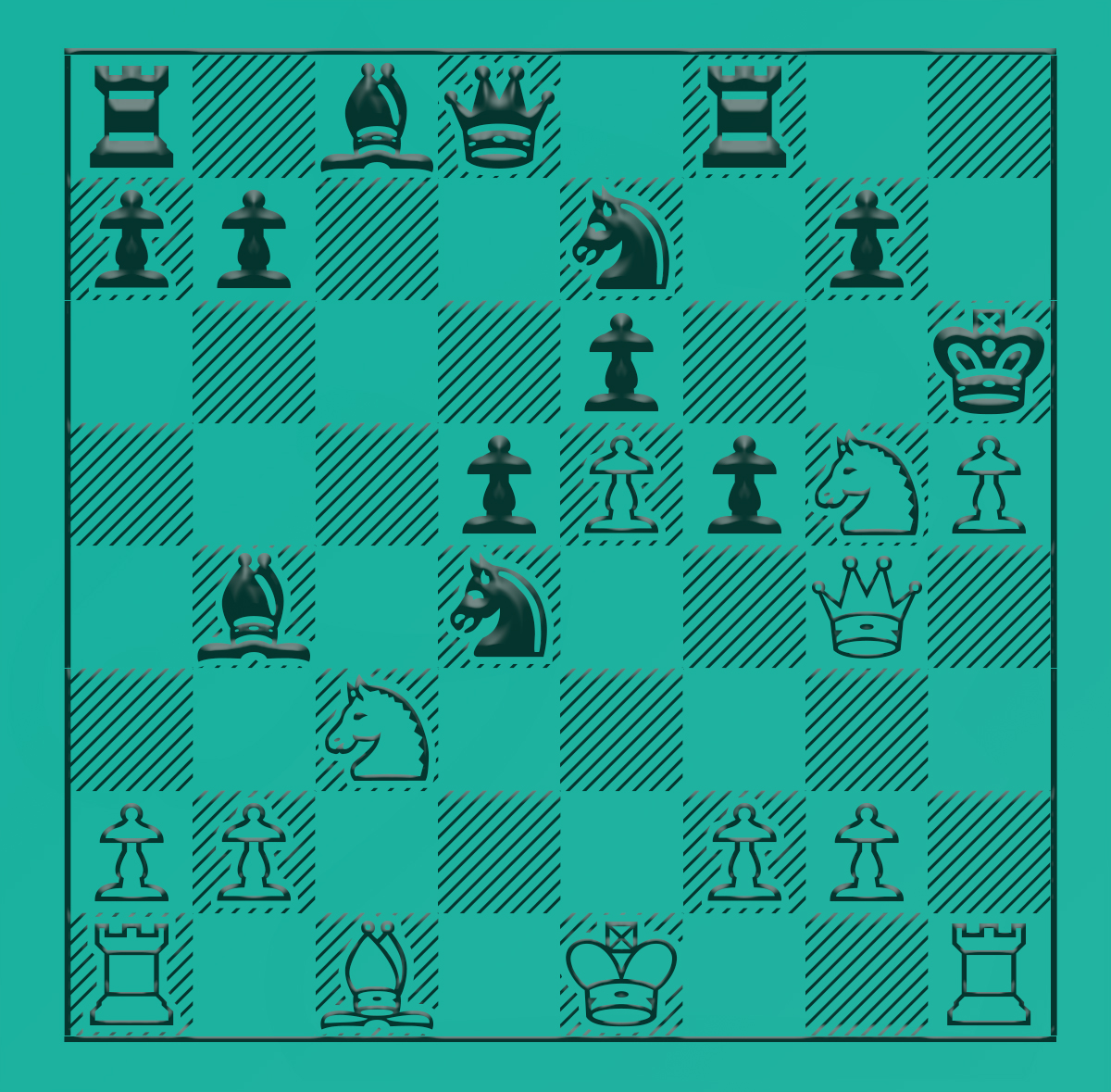
9.a5 Nxd2 [Black rises to the occasion and plays the only move. For example, 9…Bxb2 10.axb6 Nxd2 11.Rxa7 Nxf3+ 12.gxf3 Nd7 (not 12…Rxa7 13.bxa7) 13.Rxa8 Nxb6 14.Ra2 Bg7 and White has the center. If 9…Qc7 10.Qc1 Bxb2 11.Qxb2 and N retreats.] 10.axb6 Nxf3+ (But here the dragon should strike back with 10…Bxb2 11.Rxa7 Nxb1 12.Rxa8 Nd7 and Black appears to have a big plus.) 11.gxf3 (Now it is too late for 11…Bxb2 as White wins the exchange.) 11…Na6 12.Bxg7 Kxg7 (And White now has the upper hand again.) 13.bxa7 Nxb4 14.Kd2 (It is important to understand that time is of the essence here. If White is to make use of the bone in the throat, he has to attack the Black king with utmost speed. The back rank must be cleared and the rooks brought into play. It is not dangerous for White to keep his king in the center because Black’s queen rook is tied to the bone.) 14…c5 15.Nc3 Bd7 (To stop 16.Na4) 16.Be2 Na6 (Maybe 16…Bc6 and stopping the knight maneuver is better, but I can understand Black’s reluctance to part with his prelate considering White’s could become powerful in attacking the Black king.) 17.Nd5 (The stallion rears and stomps down on a powerful square.) 17…Rxa7 (Otherwise 18.Nb6 wins the exchange.) 18.Nb6 (Note that 18.Nxe7 Be6 19.c4 Re8 20.Nd5 Bxd5 21.cxd5 Rea8 22.Rhb1 Nb4 23.Rxa7 Rxa7 24.Rb2 leaves Black with a big plus due to his passed b-pawn and dark square dominance.) 18…Bc6 19.h4 h5 (Necessary.) 20.Rhg1 Kf6 21.Rg5 (Stopping 21…e5 as 22.f5 would really turn the rackscrew.) 21…e6 22.e4 Re8 23.f5 exf5 24.exf5 Re5 25.fxg6 fxg6 (Not 25…Rxg5 26.gxf7 Kxf7 27.hxg5 and White rolls.) 26.Rg3 d5 27.Rag1 Be8 28.Nc8 Ra8 29.Nd6 Nb4 30.Nxe8+ Raxe8 31.Rxg6+ Ke7 32.R1g5 Kd8 33.Rxe5 Rxe5 34.Rg5 Rxg5 35.hxg5 d4 36.f4 h4 37.Bf3 b5 38.f5 Ke7 39.f6+ Kf7 40.Bh5+ Kg8 41.g6 h3 42.Bg4 (As after 42…h2 43.Be6+ Kh8 44.g7+ Kh7 45.g8=Q+ Kh6 46.Bf7 and mates next move.) 1-0
Lapshun (2566) – Paschall (2483) New York Masters, 2003 [G. Shahade] 1.b4 d5 2.Bb2 Bg4 3.Qc1!!! (NEW WORLD RECORD!!! Fastest Qc1 ever in master level chess!!! After watching enough of Lapshun’s openings I’ve run out of ways to poke fun at his unorthodox moves.) 3…Nd7 4.c4 e6 5.e3 Ngf6 6.a3 a5 7.c5 c6 8.Be2 Bxe2 9.Nxe2 b6 10.d4 Be7 (Lapshuns bishop on b2 isn’t looking so happy…) 11.O-O O-O 12.Nd2 Qc7 13.Qc2 Ng4 14.g3 f5 15.Nf4 Rf6 16.h3 Nh6 17.Nd3 a4? (A huge positional mistake…if black wanted to close up the position, he had to play ….b5 first.) 18.cxb6 (And all the sudden white has all the play…..the c-pawn is very weak, and the knights will come to e5 and f4.) 18…Qxb6 19.Rac1 Nb8 20.Nf3 Rf8 21.Nf4 Re8 22.Ne5 (Lapshun’s position looks extremely pleasing. Most of white’s pieces are very well placed, whereas blacks pieces are randomly scattered about.) 22…Ra6 23.Qe2 Bd6 24.Nfd3 Ra7 25.Rc2 Nf7 26.Rfc1 Nxe5 27.dxe5 (Ooops….and now the bishop that looked so bad earlier in the game, will trade itself for a rook after Bd4 next move.) 27…Bf8 28.Bd4 Qa6 29.Bxa7 Qxa7 30.Nc5 g6 31.Rc3 Bg7 32.f4 Bf8 33.h4 h6 34.Kf2 Re7 35.Qc2 Re8 36.Qd1 g5 37.hxg5 hxg5 38.Qh5 (Completely crushing, attacks the rook on e8, prepares either Qxg5 or Rh1.) 1-0
Every player knows how to mate a lone with a queen and king. And how to mate with a single rook.
Mating themes such as back rank mates, smothered mates and De Legal’s mate are also well-known.
Not some common are the two bishops’ mate or a bishop and knight mate.
But what is the rarest mate?
It is most probably the en passant mate.
Note: if you do not know what en passant is, there are numerous websites that identify and describe this move. One of the clearest definitions can be found at :
With less than a handful of games ending in an en passant mate, out of the tens of millions of games played, there can be little doubt of its rarity.
Of course there is always the possibility that there are some games that have escaped my attention. If you know any that are not on this list, please email me. Thanks!
One quick note here. The en passant moves given in the games below have “e.p.” after the en passant move. Most of the time in chess literature these letters are omitted. They are included here solely to make the en passant moves easier to find.
Now let’s go to the games!
This first one is from Chernev’s miniature masterpiece, “1000 Best Short Games of Chess”, (game #296).
Gaudersen-Faul Pietzcker Christmas Tournament Melbourne, 1928 [Chernev, “1000 Best Short Games of Chess”, #296] 1.e4 e6 2.d4 d5 3.e5 c5 4.c3 cxd4 5.cxd4 Bb4+ 6.Nc3 Nc6 7.Nf3 Nge7 8.Bd3 O-O 9.Bxh7+ Kxh7 10.Ng5+ Kg6 11.h4 Nxd4 (White is not mollified by a return of a piece; l’attack, toujours l’attack.) 12.Qg4 f5 13.h5+ Kh6
14.Nxe6+ g5 15.hxg6 e.p. mate! (An extraordinary finish – checkmate by capturing a pawn by en passant!) 1-0
Frederick Rhine-N.N. Blitz Game http://www.instantchess.com, Sept. 18 2017 May 14 2010 [B00] 1.d4 b6 2.e4 Bb7 3.Bd3 e6 4.Nf3 Nf6?! (4…c5!? is more common as the knight on f6 is subject to an early e5.) 5.Qe2 h6 6.e5 Nd5 7.a3 Be7 8.c4 O-O 9.cxd5 Bxd5 10.Nc3 Bb7 11.O-O d6 12.Ne4 dxe5 13.dxe5 Nc6 14.Bf4 Nd4 15.Nxd4 Qxd4 16.Rad1 Rad8 17.Rfe1 f5 18.exf6 Bxf6 19.Nxf6+ Qxf6 20.Bxc7 Rxd3 21.Rxd3 Ba6 22.Bg3 Bxd3 23.Qxd3 Qxb2 24.Rxe6 Rf6 25.Re8+ Kf7 26.Qd7+ Kg6 27.h4 Qxa3 28.Rg8 Rf7 29.h5+ Kh7 30.Qxf7 Qa1+ 31.Kh2 a5 32.Qf8 g5 33.hxg6 e.p. mate 1-0
This is my game. The opening is bad but the ending is the best way to end this post.
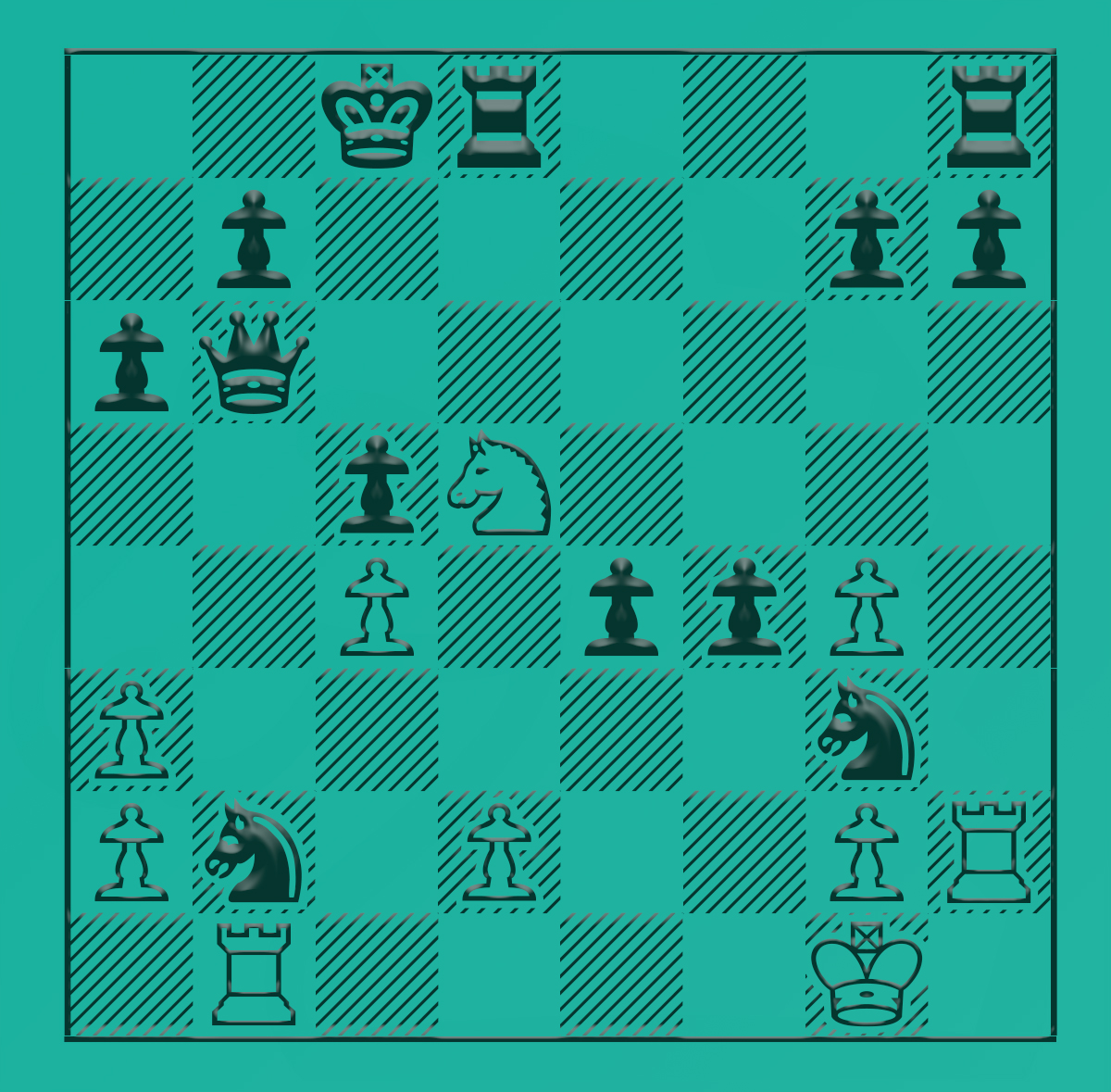
“Papiconi” (1322)-Escalante (1958) King’s Bishop Thematic Tournament chess.com, May 2021 1.e4 e5 2.f4 exf4 3.Bc4 Qh4+ 4.Kf1 d5 5.Nf3 Qh5 6.Bb5+ c6?? (6.Qxb5 wins instantly! The only excuse I might offer is that I came home late and tired from work when I made this move.) 7.Be2 dxe4 8.Nd4 Qe5 9.c3 Ne7 10.h3 Nf5 11.Bg4 Ng3+ 12.Kg1 f5 13.Rh2 fxg4 14.Qxg4?? Bxg4 15.hxg4 Bd6 16.Na3 Bxa3 17.bxa3 Nd7 18.Bb2 O-O-O 19.Re1 Nc5 20.Nf3 Qd6 21.Nd4 Nd3! (Attacking on the other wing as the kingside is defended and the queenside is unexplored and unprovoked.) 22.Rb1 c5 23.Nb5 Qb6! -+ 24.c4 a6 25.Nc3 Nxb2 26.Nd5
26…Rxd5! 27.cxd5 c4+ 0-1 (After the forced 28.d4, Black has the choice of mating with 28…cxd3 e.p. mate or 28…exd3 e.p.mate)
This might not improve your rating or your abilities, but it’s fun, interesting, and perhaps even revealing, to see how celebrities play the game. Maybe we can now call ourselves the PAWN-PAR-RAZZI.
GM Miguel Najdorf-Ernesto Ché Guevara (Revolutionary) Blindfold Simul Mar de Plata, 1949 [Leftist guerillas generally do better than most. Maybe it’s because they must be resourceful while planning their battles and they carry that resourcefulness to the chess table. Then again, Najdorf was playing blindfolded.] 1.e4 e5 2.Nf3 Nc6 3.Bb5 a6 4.Ba4 Nf6 5.O-O Be7 6.Re1 b5 7.Bb3 d6 8.c3 O-O 9.h3 h6 10.d4 Re8 11.Nbd2 Bf8 12.d5 Ne7 13.c4 bxc4 14.Nxc4 c6 15.dxc6 Nxc6 16.Be3 Be6 1/2-1/2
Koltanowski-Humphrey Bogart (Actor) Blindfold exhibition game San Francisco, Mar. 5 1952 [Bogart is one of best, both on screen and at the chessboard. He played around Expert level.] 1.e4 e6 2.d4 d5 3.exd5 (The Exchange Variation is a good way get out of “book”, and prepared lines.) 3…exd5 (Bogart probably know 3…Qxd5? can easily lead to a bad game for Black.) 4.Bd3 Nf6 5.Ne2 Bg4 6.O-O Bd6 7.f3 Be6 8.Bf4 O-O 9.Nd2 Nc6 10.c3 Ne7 11.Bxd6 Qxd6 12.f4 c5 13.Nf3 Nf5 14.Qd2 Ne4 15.Qc1 Rac8 16.dxc5 Qxc5+ 17.Ned4 Nxd4 18.Nxd4 Rc7 19.f5 Bd7 20.Bxe4 dxe4 21.Qf4 Re8 22.Rae1 Re5 23.Rxe4 Rxe4 24.Qxe4 Bc6 25.Qe3 Re7 26.Qg3 Re8 27.f6 g6 28.Qh4 h5 29.Re1 Rxe1+ 30.Qxe1 Qd6 31.Nxc6 Qxc6 32.Qe7 Qc8 33.h3 Qc6 34.b4 Qxc3 35.Qe8+ Kh7 36.Qxf7+ Kh6 37.Qe7 Qc1+ 38.Kf2 Qf4+ 39.Ke2 Qc4+ 40.Kf3 Kg5 41.f7+ 1-0
Here’s another Bogart game, with him showing off his skills.
Boris Becker (Tennis professional)-GM Garry Kasparov Internet Exhibition Game Berlin, Mar. 15 2000 1.e4 e5 2.Qh5? (Did Becker actually think that this opening, so weak than even a young amateur would see the weaknesses inherent in it, would succeed against a player who was World Champion for an entire decade?) 2…Nc6 3.Qf3 Nd4 4.Qc3 Nf6 5.f3 g6 6.Ne2 c5 7.Nxd4 cxd4 8.Qb3 Bg7 9.Bc4 O-O 10.c3 d5 11.Be2 d3 12.Bxd3 dxe4 13.Bxe4 Nxe4 14.fxe4 Qh4+ 15.Kd1 Qxe4 16.Re1 Bg4+ 17.Re2 Qxe2+ 18.Kc2 0-1
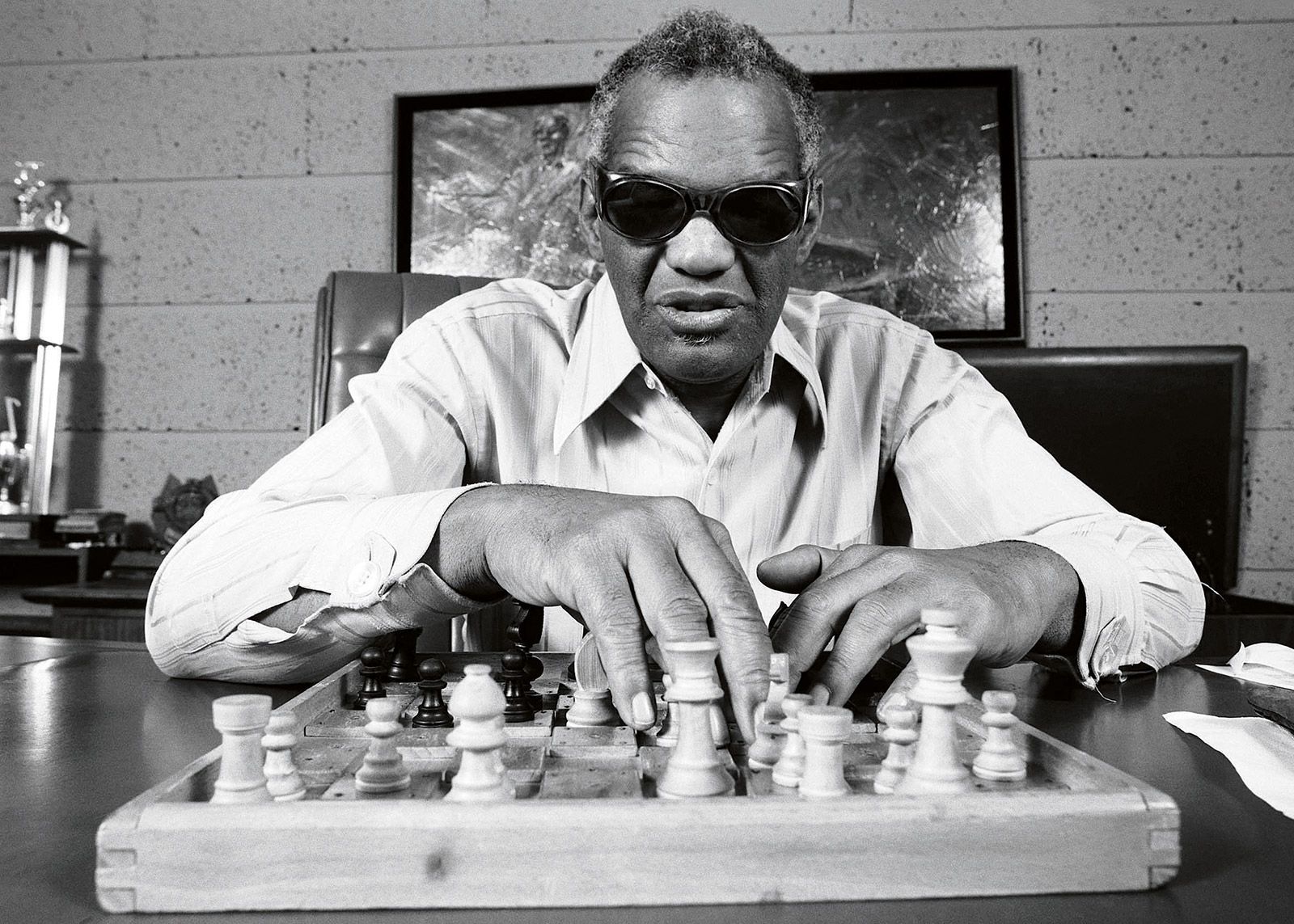
Ray Charles (Singer, Entertainer)-GM Larry Evans Reno, Mar. 8 2002 Chess Life Interview [Ray Charles is blind and pays on a special board for the blind. This game was a casual game for a Chess Life interview. Ray plays well, but the GM is simply too much him (and most of us!)] 1.e4 e5 2.Nc3 Nc6 3.Nf3 Nf6 4.d4 exd4 5.Nxd4 Bc5 6.Nxc6 bxc6 7.Qe2 O-O 8.Be3 Bxe3 9.Qxe3 Re8 10.f3 d5 11.Qd3 a5 12.O-O-O Ba6 13.Qd2 Bxf1 14.Rhxf1 dxe4 15.Qxd8 Raxd8 16.Rxd8 Rxd8 17.Rd1 Rxd1+ 18.Kxd1 exf3 19.gxf3 Kf8 20.Kc1 Ke7 21.Kd2 Ke6 22.Ke3 Nd5+ 23.Kd4 Nxc3 24.Kxc3 Kd5 0-1
Celebrity status does not depend solely on performers and politicians. Here is a slightly eccentric super genius trying his hand at the game.
Chess.com offers a feature known as Team Vote Chess. This is where your club or team can compete against another team in a single game. All members are allowed to vote and encouraged to share their thoughts and analyses.
It can be humbling finding out that a move you thought might be brilliant is torn apart by your own team members. But that is infinitely better than having your opponent tear it apart.
Anyway, the games are usually sociable and fun.
Here are two games featuring one of my favorite openings.
“The Atheists”-“Paradise Chess Club” Team Vote Chess chess.com, 2021 1.e4 c5 2.Nf3 d6 3.d4 cxd4 4.Nxd4 Nf6 5.Nc3 a6 6.Bc4 e6 7.Bb3 Nbd7 8.Bg5 Qb6 9.Be3 Qc7 10.Qd2 Be7 11.Bxe6 fxe6 12.Nxe6 Qc4 (The best move for Black in this position.) 13.Nxg7+ Kf7 14.Nf5 Nxe4 15.Nxe4 Qxe4 16.Nxe7 Qxe7 17.O-O-O Ne5 18.Bg5 Qe6 19.Rhe1 Qxa2? [Better are 19…Re8 or 19…Rg8 when White must play accurately to keep whatever advantage he still may have. 19…Qg6? is bad as White regains the attack after 20.Qd5+ Be6 (not 20…Qe6? 21.Qxd6 Qxd6 22.Rxd6 Nc4 23.Re7+) 21.Qxb7+.] 20.Qf4+ Ke8
21.Rxe5+! +- dxe5 (Nothing saves Black. If he instead tries 21…Kd7, then 22.Re7+ Kc6 23.Qxd6+ Kb5 24.Re5+ Ka4 25.Rd4+ Qc4 26.b3 is mate.) 22.Rd8mate 1-0
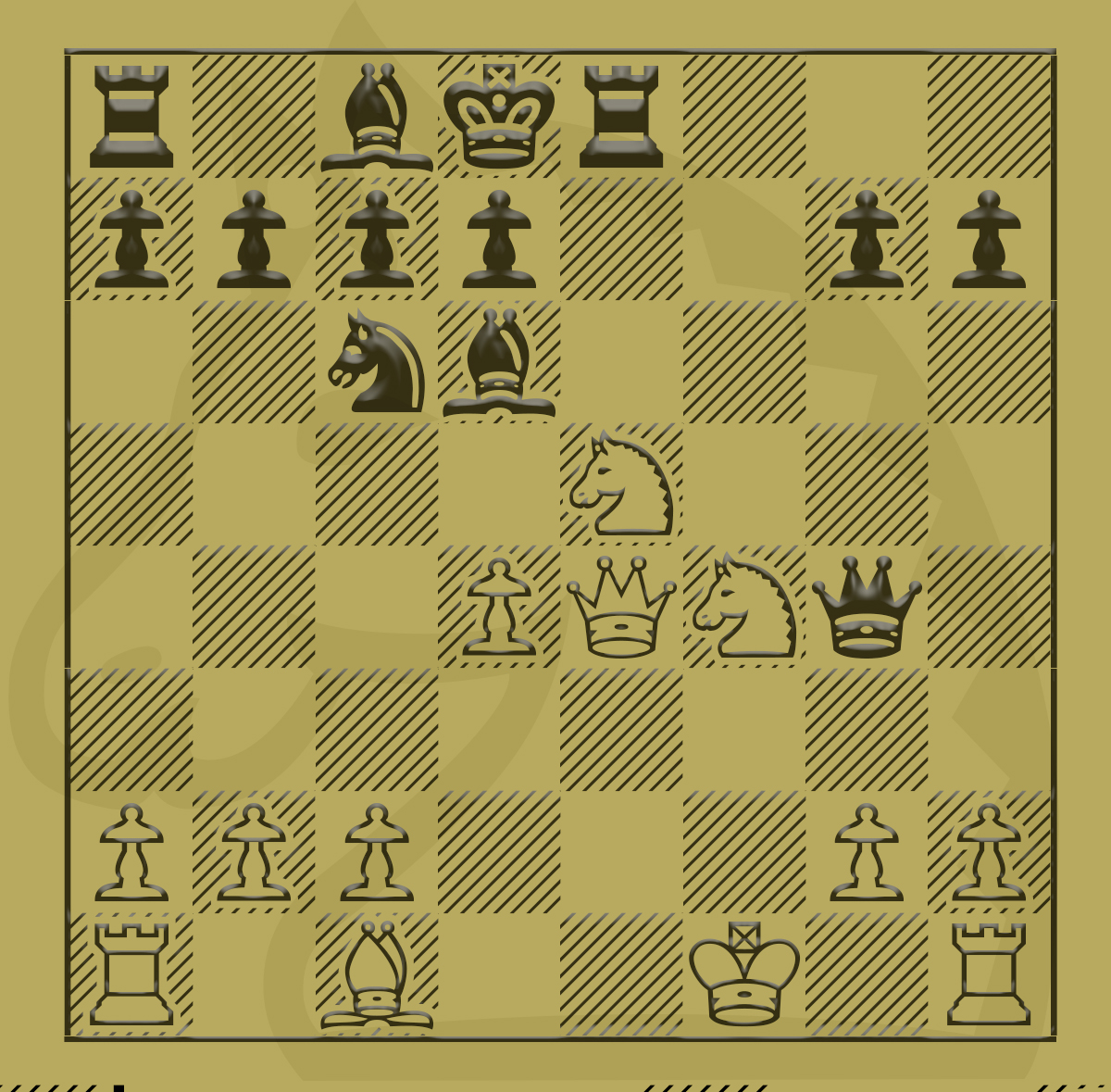
“Chess Unlimited”-”LIVE WIRE” Team Vote Chess http://www.chess.com, Aug. 20 2012-Jan. 2 2013 [I was the team captain for LIVE WIRE. We had excellent analysists and contributors for the game. Most enjoyable was seeing our analysis grow from +/- to +- , and then from a +- to a forced mate.] 1.e4 c5 2.Nf3 d6 3.d4 cxd4 4.Nxd4 Nf6 5.Nc3 a6 6.Bc4 e6 7.O-O b5 8.Bd3 Bb7 9.Re1 Be7 10.f4 O-O 11.e5 (This move loses at least a pawn. And probably much more.) 11…dxe5 12.fxe5 (To keep his losses to a minimum White has to play 12.Nf3.) 12…Qxd4+ 13.Kh1 (A bit of a crossroad here. Black is certainly winning What to do now? At first glance, it looks like 13…Ng4 with the idea of 14…Nf2+, with a smothered mate coming seems attractive. Even the knight is protected by the queen on d4. Of course, nothing is protecting the queen and White wins after 13…Ng4? 14.Bxh7+ Kxh7 15.Qxd4. So this idea was quickly and rightfully dismissed. 13…Qg4 is better since after the trade of queens Black is still ahead a piece and still winning. But 13…Qh4!! is the best. Take a look at the following moves.) 13…Qh4 14.exf6 Bd6!! (The team foresaw this position. White is suddenly finding he doesn’t have any good moves. 15.g3 is illegal. Both 15.Ne4 and 15.Be4 immediately lose to 15…Qxh2#. And 15.Bxh7+ fails to 15…Kxh7! 16.Qxd6 Qxe1+ -+. We thought we accounted for all possible moves.) 15.Re5? (But we didn’t see this one! Never mind, it’s a blunder.) 15…Bxe5 16.Qg1 gxf6 (With the idea of 17…Kh8 and 18…Rg8.) 17.Be3 Kh8 18.Rf1 Rg8 19.Rf2 Nd7! (To bring the last rook into play.) 20.Ne2
Most chess players know the moves leading to the Bishop Gambit (1.e4 e5 2.f4 exf4 3.Bc4). But how many of them know the moves leading to the “Lesser” Bishop Gambit?
Well, the moves are 1.e4 e5 2.f4 exf4 3.Be2. The main ideas seem to be preventing Black from checking on the e-file and placing the bishop on a square where it could not be easily taken or exchanged.
It seems strange that a player who would play a risky, tactically filled, opening, would want to play conservatively so soon in the game.
Nevertheless, we have this gambit.
So, let’s do a little research into it.
Black has several ways of responding to 3.Be2.
At the start, 3…Nf6 might seem to be a reasonable move. After all, it develops a piece and makes it easier for Black to castle. But after 4.e5, it is White that gains the advantage.
Philippe Jaulin-Frederic Coudray Avoine Open, 1996 1.e4 e5 2.f4 exf4 3.Be2 Nf6 4.e5 Ne4 5.Nf3 Nc6 6.d3 (A move that is often overlooked.) 6…Ng5 7.Bxf4 Nxf3+ 8.Bxf3 d6 9.Bxc6+ bxc6 10.O-O (Even better is 10.Qf3! as White gains a tempo or two.) 10…dxe5 11.Bxe5 Bd6? 12.Bxg7! Qh4 13.Qe2+ [Black’s best is 13…Be6. (not 13…Kd7? 14.Rxf7+). But even stronger is 13.Qe1+! as 13..Qxe1 14.Rxe1+ is check and the White’s has the attack and the material advantage.] 1-0
Black also has 3…Qh4+. And like in the Bishop Gambit, the White is dislodged from a good hiding square. The downside, again copying from the Bishop Gambit, is the Black queen is slightly out of play and facing all of White’s pieces on her own.
Mr. Sutton-Blackburne Simpson’s Chess Divan London, 1884 [Blackburne, “Blackburne’s Chess Games”, #176] 1.e4 e5 2.f4 exf4 3.Bc4 Qh4+ 4.Kf1 f5 (Although a favorite defence of mine I do not recommend it to the young amateur.) 5.Nc3 (Qe2 is stronger.) 5…Nf6 6.d3 g5 7.Nf3 Qh5 8.h4 h6 9.Kg1 g4 10.Ne5 Rh7 11.Ne2 (An attack on the Queen persistently followed up in White’s succeeding play.) 11…fxe4 12.Bxf4 Qf5 13.Qc1 d5 14.Bb3 Nbd7 15.Ng3 Bc5+ 16.Kh2 Nxe5 17.Nxf5 (Now White has attained his object, but the fruit is of the Dead Sea.) 17…g3+ 18.Bxg3 (Any other move is equally fatal.) 18…Neg4+ 19.Kh3 Ne3 20.Bf4 Bxf5+ 21.Kh2 Neg4+ 22.Kh3 Nf2+ 23.Kh2 N6g4+ 24.Kg1 Nxd3+ 25.Kf1 Nxc1 26.Rxc1 O-O-O 0-1
But perhaps the best response is 3…d5, aggressively opening up more lines for an attack. White meets this best with 4.exd5 Nf6, and usually 5.Nf3.
1.e4 e5 2.f4 exf4 3.Be2 d5 4.exd5 Nf6 (5.Nf3)
Tartakower-Capablanca New York 1924 1.e4 e5 2.f4 exf4 3.Be2 d5 4.exd5 Nf6 5.c4 c6 6.d4 Bb4+ 7.Kf1?! (7.Bd2) cxd5 8.Bxf4 dxc4 9.Bxb8 Nd5 10.Kf2 Rxb8 11.Bxc4 O-O 12.Nf3 Nf6 13.Nc3 b5 14.Bd3 Ng4+ 15.Kg1 Bb7 16.Bf5?! (White’s king needs some breathing room and a chance for activating his rook. He can do both, and even attack a piece, with 16…h3!) 16…Bxc3 17.bxc3 Ne3 18.Bxh7+ Kh8 (Even after 18…Kxh7? 19.Qd3+ Kg8 21.Qxe3 Black still has the advantage due to his more secured king.) 19.Qd3 Bxf3 20.gxf3 Nd5 21.Be4 Nf4 22.Qd2 Qh4 23.Kf1 f5 24.Bc6 Rf6 25.d5 Rd8 26.Rd1 Rxc6 27.dxc6 Rxd2 (Even Capablanca is known to make mistakes as Black does even better with 27…Qh3+ 28.Kf2 Qg2+. ) 28.Rxd2 Ne6 29.Rd6 Qc4+ 30.Kg2 Qe2+ 0-1
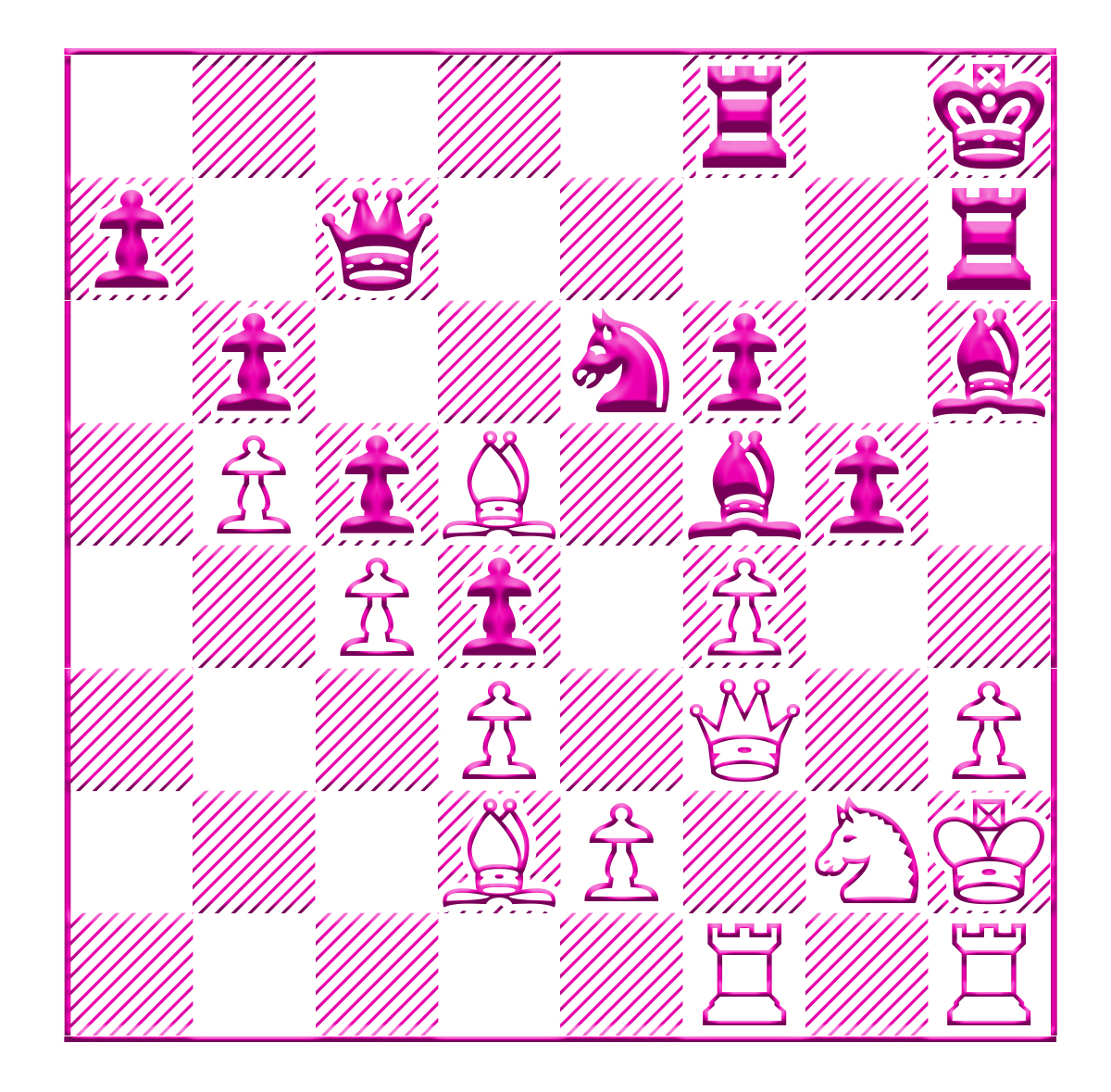
(If 12.gxf3, then 12…gxf3 13.Nxf3 Rg8+ is painful. Even after the better 13.Bxf3 Rg8+ 14.Bg2 Bh3! 15.Qxf7+ Kd8 White is still lost. And 12.Bd1? f2+ is even worse.) 0-1
Mark F. Bruere (2250)-J.M. Vaassen corres., WT/M/GT/284 ICCF, 1990 1.e4 e5 2.f4 exf4 3.Be2 d5 4.exd5 Nf6 5.Nf3 c6 6.dxc6 Nxc6 7.d4 Bd6 8.O-O (Castling seems to be overdone in the King’s Gambit Accepted. Better is 8.c4 claiming a stake in the center and still holding the possibility of castling on either side.) 8…O-O 9.c4 Bg4 10.Nc3 Rc8 11.Nb5 Bb8 12.b3 (12.d5!? needs to be investigated.) 12..a6 13.Na3?! (13..Nc3) 13…Re8 14.Nc2 Qc7 15.Bb2 Ba7 16.Kh1 Ne7 17.d5? (Opening attacking lines where Black is the only one who profits. And it also drops a pawn.) 17…Nexd5! 18.cxd5 Qxc2 19.Bxf6 Rxe2 20.Bd4 Bxf3! 0-1
C. Sánchez-A. Alexander IECC 2000 1.e4 e5 2.f4 exf4 3.Be2 d5 4.exd5 Nf6 5.Nf3 Bd6 6.c4 O-O 7.d4 b6 8.Ne5 c5 9.dxc6 Qc7 (9…Ne4, threatening, …Qh4+ is a possibility.) 10.Bxf4 Nxc6 11.Nc3 a6 12.Nxc6 (12.Bf3!?) 12…Qxc6 13.Bxd6 Qxd6 14.O-O Bb7 15.d5 Rae8 16.Qd2 Ne4 (> 16…c5.) 17.Nxe4 Rxe4 18.Bd3 Rh4? (Black is having problems and he needs to play 18…Re5. The text is simply a waste of time.) 19.g3 Rd4 20.Bxh7+ 1-0
The “!” of course is referring to good, or even brilliant, moves. And most of the time, this also the move is tactical in some way, although a few may be more positional than tactical.
Your job here is find these moves in the next six games. To make finding these moves more fun, and slightly easier to solve, there is a clue before each game.
And if you need help or just want to see the end of the games, download the PDF file titled, “!_Moves”.
Here we go!
~~~~~~~~~~~~~
1) First move in the combination might be easy to find. But can you find all the following moves?
MR. Woodcock-Peter E. Williams British Universities Ch., Preliminaries C Manchester, Apr. 13 1970 1.e4 e6 2.d4 d5 3.Nc3 Bb4 4.e5 c5 5.Nf3 Nc6 6.Be3 Qa5 7.Qd2 cxd4 8.Bxd4 Nge7 9.Bd3 Nxd4 10.Nxd4 Nc6 11.Nxc6 bxc6 12.Be2 c5 13.O-O d4 14.a3 dxc3 15.axb4 Qxb4? (White’s queen is more active than Black’s and should be taken or exchanged as soon as possible. 15…cxd2 is best.) 16.bxc3 Qb6 17.Rfb1 Qc7
2) A positional move as well as a tactical one.
GM Arthur Bisguier-Paul Brandts Manhattan C.C. Ch. New York, 1967 [Hans Kmoch, “Games from Recent Events”, Chess Review, May 1967] 1.e4 e5 2.Nf3 Nc6 3.Bb5 a6 4.Ba4 Nf6 5.O-O Be7 6.Qe2 b5 7.Bb3 d6 8.c3 Bg4 9.d3 (Intent on rendering the pin on his Knight useless, White avoids 9.d4 as well as the weakening h3.) 9…Na5 10.Bc2 c5 11.Re1 Nc6 12.Nbd2 Nh5 (Black ought still to castle. He is only compromising his own position in trying to act against White’s unweakened Kingside.) 13.Nf1 g5 (And this weakening is too serious. 13…g6 is hardly consistent but playable: 14.Bh6 Bxf3 15.Qxf3 Bg5 16.Bb3 Nf4.) 14.h3! Nf4 (Black has to save this Knight: 14…Be6 or 14…Bd7 permits 15.Nxe5! etc.) 15.Bxf4 Bxf3 16.Qxf3 exf4 17.Qh5! (This blockading move thwarts Black’s plan thoroughly.) 17…Qb6 18.Rad1 Ne5 19.d4 cxd4 20.cxd4 Rc8 21.Bb3 Nc4 (Now 21…Nc6 22.e5 makes decisive headway.) 22.Nh2 Nxb2 23.Qxf7+ Kd8 24.Rd2 Nc4 25.Bxc4 bxc4 26.Nf3 Qb5 27.d5 Qe8 28.Qg7 Qf8 29.Qc3 (Naturally White avoids trading Queens. Now the showdown looms on the Queenside while Black’s Queen strays on the other wing. 30.Nd4 is a strong threat.) 29…Bf6 30.Qa5+ Kd7 31.Qa4+ Kd8
3) Sometimes castling is the best move. And sometimes it is not.
Rachel Crotto-Kathleen Hindle Women’s Ol. Haifa, Oct. 30, 1976 1.e4 c5 2.Nf3 d6 3.d4 cxd4 4.Nxd4 Nf6 5.Nc3 g6 6.f4 Bg7 7.e5 dxe5 8.fxe5 Ng4 9.Bb5+ Bd7 (Back rightly avoids 9..Kf8? 10.Ne6+ fxe6 11.Qxd8+ Kf7 12.O-O+. So, what to do now? White plays a simple move and yet winning, move. But White still has yet to prove it.) 10.Qxg4 Bxb5 11.Ndxb5 Bxe5 12.Bh6 a6?
4) You don’t need to see it all the way to know if a move is good
Andre Lilienthal-Jose Raul Capablanca Hastings, 1935 1.d4 Nf6 2.c4 e6 3.Nc3 Bb4 4.a3 Bxc3+ 5.bxc3 b6 6.f3 d5 7.Bg5 h6 8.Bh4 Ba6 9.e4?! Bxc4 (Black also has 9…g5 or 9…dxc4 which are probably better.) 10.Bxc4 dxc4 11.Qa4+ Qd7 12.Qxc4 Qc6 13.Qd3 Nbd7 14.Ne2 Rd8 15.O-O a5 16.Qc2 Qc4 17.f4 Rc8 18.f5 18..e5 19.dxe5 Qxe4 (Possibly better is 19…Qc5+.)
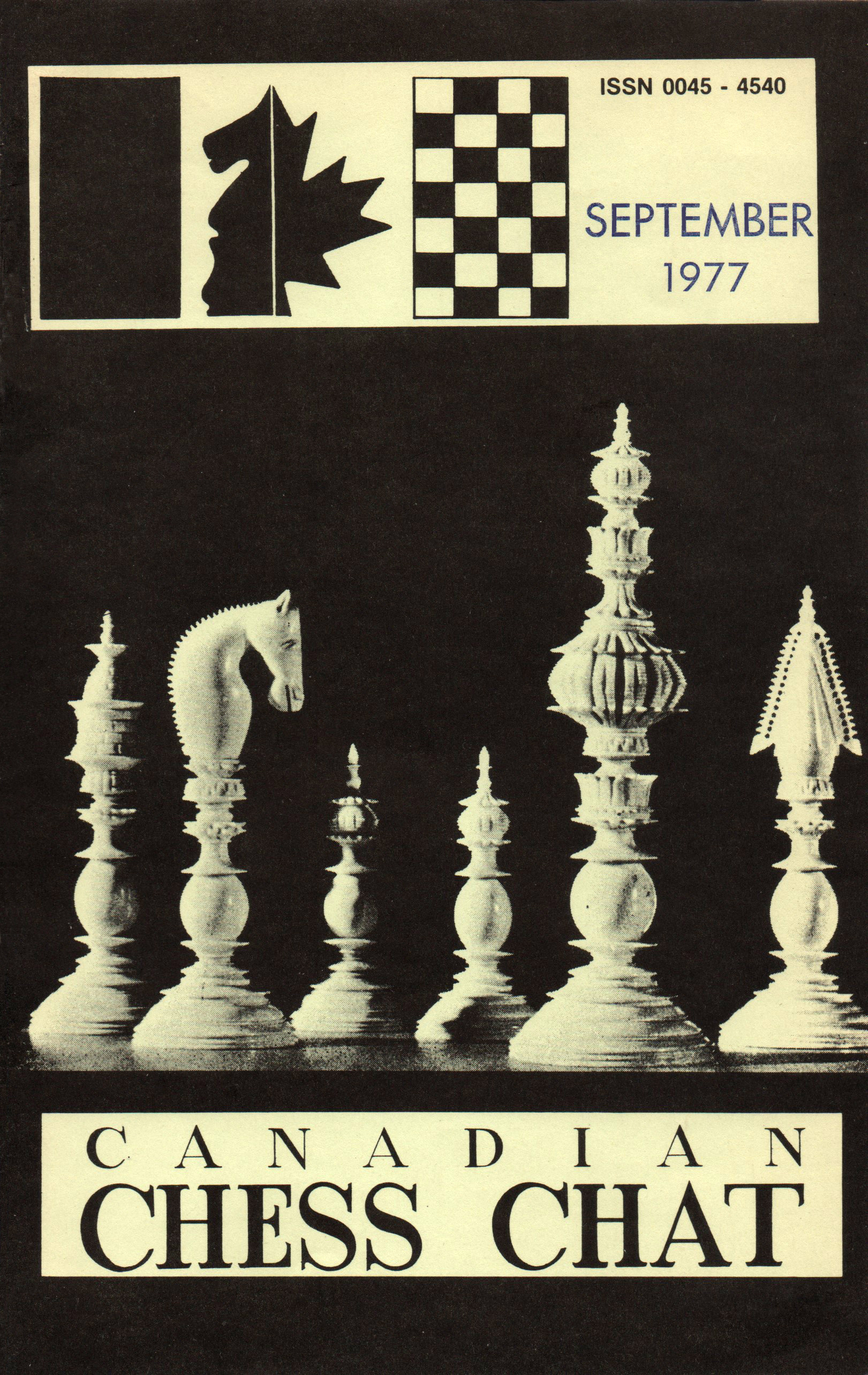
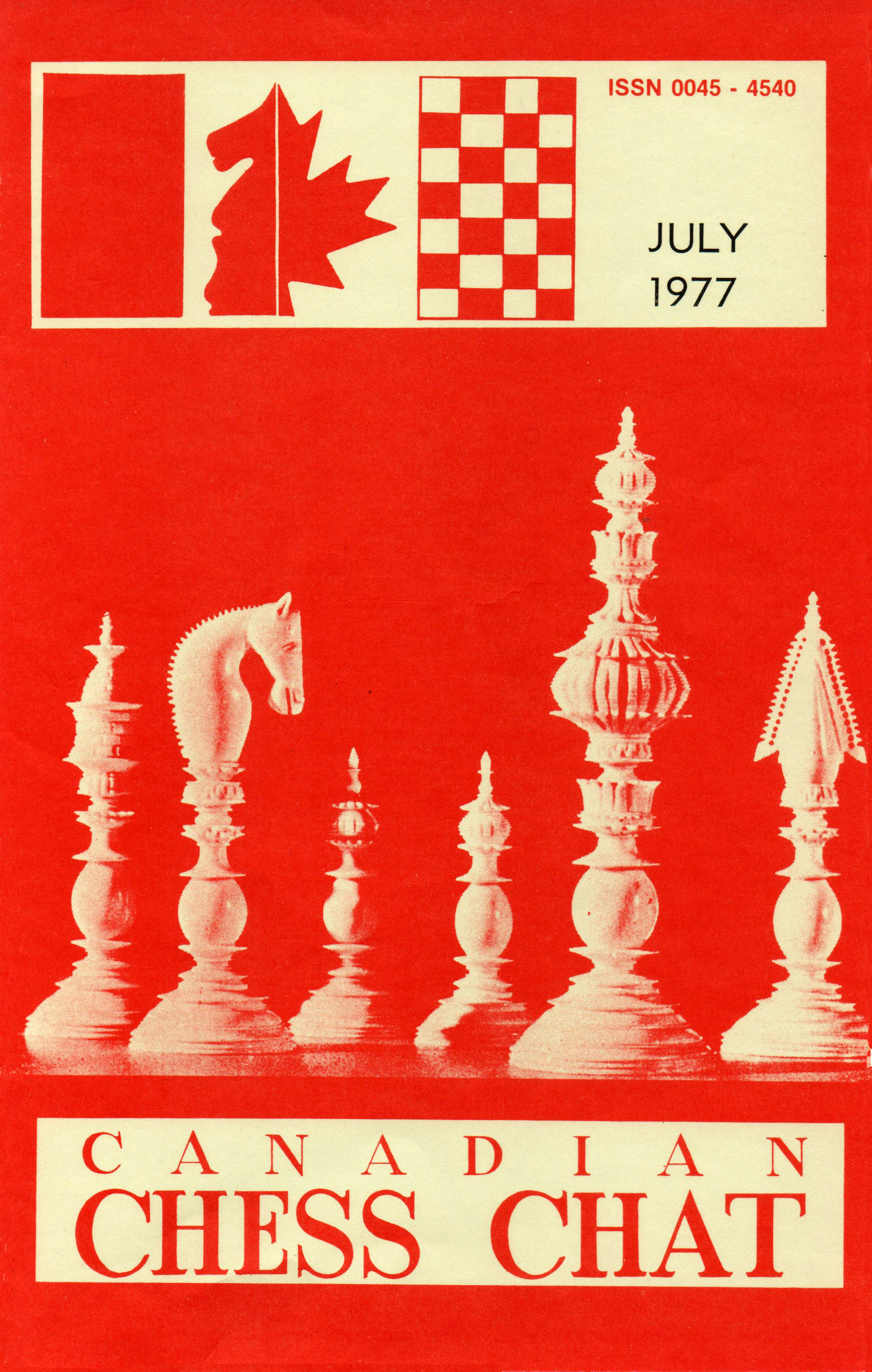
Last week I was pleasantly surprised. I had ordered set of Canadian Chess Chat magazines from the 1977. What made it so fun to read?
First, the games were printed in algebraic notation (AN), years before Chess Life did. The annotations were concise and clear and the games contained enough diagrams to assist the reader with his enjoyment. Our northern neighbors did a good job with magazine.
If I am allowed note one minor gripe, it is that some of the notes seem to have translated from another language, most probably French. There are naturally some glitches and mixed-up of tenses. But they are fun to read!
The publication, Canadian Chess Chat, was published from 1974 to about 1992.
Here are some games from the magazine.
~~~~~~~~~~~~~~~~~~~~~~~~~~~~~~~~
Gabor Kadas-IM Enrico Paoli Agard, Hungary Sept. 1976 [“Selected Games”, Canadian Chess Chat, March 1977] 1.e4 c5 2.b4 cxb4 3.d4 d5 4.e5 e6?! (4…Nc6 5.a3 Bf5 or 5.Ne2 Bf5 6.Nf4 e6 looks better for Black.) 5.a3 Nc6 6.axb4 Bxb4+ 7.c3 Be7?! (7…Bf8 might be better.) 8.Bd3 h5 9.g4 hxg4 10.Qxg4 g6 11.Na3 Bxa3 12.Bxa3 Qh4 13.Qe2 Nge7 14.Nf3 Qh5 15.h4 Nf5 16.Kd2 Qg4 17.Rag1 Qf4+ 18.Kd1 (Of course, not 18.Kc2?? Qxf3 19.Qxf3 Ncxd4+.) 18…Qh6 19.Ng5 Bd7 20.Qb2 b6 21.Rg4 Qg7 22.c4 dxc4 23.Bxc4 O-O-O 24.Ke2 Kb7 25.Ra1 Bc8 (On 25…Rxh4 26.Rxh4 Nxh4 27.Bc5! and White’s attack comes through. Black tries to turn against the weak d-pawn.) 26.Nf3 Rd7 27.Bc5 Rhd8
28.d5!! (An excellent move which decides the game.) 28…Nb8 (28…exd5 29.Bxd5! Rxd5 30.Rxa7+ Kxa7 31.Qxb6+ Ka8 32.Ra4+ leads to mate.) 29.Rxa7+!! 1-0 (29…Kxa7 30.Qxb6+ Ka8 31.Bd3 +-)
GM Efim Geller-Andrew Whiteley European Team Ch. Moscow, Apr. 1977 [“European Team Championship”, Canadian Chess Chat, June 1977] 1.d4 d5 2.c4 c6 3.Nf3 Nf6 4.Nc3 e6 5.e3 Nbd7 6.Bd3 dxc4 7.Bxc4 b5 8.Bb3 b4 9.Ne2 Bb7 10.O-O c5 11.Nf4 cxd4? (This move which opens the center, the e-file, is absolutely wrong. Better was 11…Nb6) 12.exd4 Nb6 13.Ng5 Bd5 14.Nxd5 Nfxd5 15.Ba4+ Nd7 16.Qh5 Qe7 17.Re1 g6 18.Qf3 N5b6 (Threatened Nxf7 and Bc6. Now Geller finishes the “job” in a few more moves.) 19.d5 Nxd5 20.Nxf7 Qxf7 21.Qxd5 O-O-O 22.Qa8+ 1-0
GM Velimirović-GM Romanishin (2595) Keres Memorial Tallinn, 1977 [“Keres Memorial in Tallinn”, Canadian Chess Chat, July 1977] 1.e4 e6 2.d4 d5 3.Nc3 Be7 4.e5 b6 5.g4! Ba6 6.Bxa6 Nxa6 7.f4 h5!? 8.gxh5 Bh4+?! (Better was 8…Bb4 9.Nf3 Rxh5 10.Ng5 g6.) 9.Kf1 Ne7 10.Qe2 Nb8 11.Nd1 Nbc6 12.c3 Qd7 (Better was 12…Nf5 13.Ne3 Nce7.) 13.Ne3 g6 (There was no other choice was White threatens Nf3. Now, on the opening f- and h-files Black gets counterplay.) 14.hxg6 fxg6 15.Nf3 O-O-O 16.Rg1! Rdf8 17.Rg4 g5 18.Ng2 Nf5 19.Kg1? (Misjudges the position! The h-file is more dangerous! 19.fxg5 was the right move, for ex.: 19…Qh7 20.Bf4, or 19…Nce7 20.Kg1 Ng6 21.Bf4 Qh7 22.Rf1 and after exchanges on h4 White will have the advantage) 19…Qh7 20.fxg5
Alexander Zakharov-GM Anatoly Karpov USSR Ch. Moscow Dec 13 1976 [“Games from the 44th USSR Championship”, Canadian Chess Chat, Sept. 1977] 1.d4 Nf6 2.c4 e6 3.Nc3 Bb4 4.a3 Bxc3+ 5.bxc3 c5 6.f3 d6 7.e4 Nc6 8.Ne2 b6 9.Ng3 O-O 10.d5 Na5 11.Bd3 Ba6 12.Qe2 Nd7! 13.f4 exd5 14.cxd5 Bxd3 15.Qxd3 c4 (Otherwise White will play c3-c4. And the square c5 will give a good place for the knight.) 16.Qf3 Nb3 17.Rb1 Re8 18.O-O Ndc5 19.Be3 Nxe4 20.Nxe4 Qe7 21.Nd2 (White’s only chance is in exchanges.) 21…Qxe3+ 22.Qxe3 Rxe3 23.Nxc4 Rxc3 24.Nxd6 Nd2 25.Rbc1 Rd3 26.Rfd1 Rxd5 27.Ne4 Nb3 28.Rxd5 Nxc1 29.Kf2 Nb3 30.Rd7 f5 31.Nd6 Nc5 (Arrives in time, otherwise no chances for winning the game.) 32.Re7 g6 33.Nf7 Kf8 34.Rc7 Ne6 35.Rb7 Re8 36.Nd6? (36.Ng5! gives better chances for a draw in the rook endgame) 36…Re7 37.Rb8+ Kg7 38.g3 Nd4 39.Ne8+ Kf7 40.Nd6+ Ke6 41.Nc4 Kd5 0-1
GM Smyslov-Grigorian USSR Ch., 1977 [“Games from the 44th USSR Championship”, Canadian Chess Chat, Sept. 1977] 1.e4 c5 2.Nf3 d6 3.d4 cxd4 4.Nxd4 Nf6 5.Nc3 a6 6.Be2 e6 7.O-O Qc7 8.f4 Nbd7 9.a4 b6 10.Bf3 Bb7 11.Qe2 e5!? 12.Nd5! Nxd5 13.exd5 g6! 14.Nc6 Bg7 15.fxe5 (Coming into consideration 15.c4 O-O 16.f5 Rfe8 17.Be4 Rac8 18.f6 Bf8 19.Ra3 and Rh3 with a serious king-side attack.) 15…Nxe5 16.Nxe5 Bxe5 (If 16…dxe5 17.d6 Qd7 18.Bh6!) 17.Bh6 f6! 18.c4 Kf7 19.Bg4 Bc8 20.Bxc8 Raxc8?? (20…Qxc8 was necessary, on which Smyslov planned 21.Be3 Re8 22.Qd3!) 21.Rxf6+!! (And the game suddenly decided due to the unprotected king.) 21…Kxf6 22.Qg4 Qc5+ 23.Kh1 Ke7 24.Bg5+! 1-0
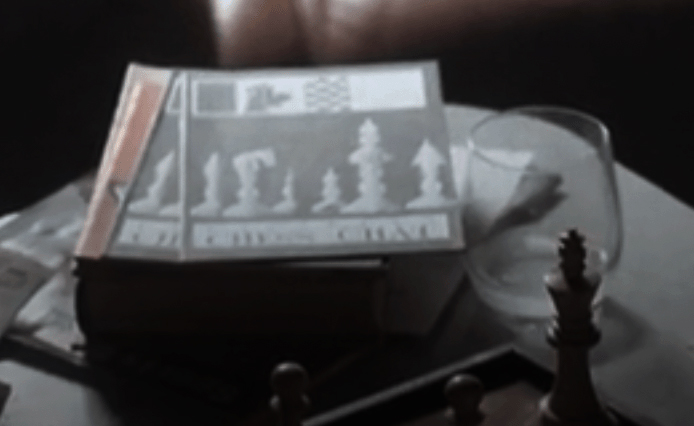
Obviously I am not the only one who enjoyed this magazine. If you watched The Queen’s Gambit you may have noticed this “Easter egg” that was sitting on a table.
… who is celebrating her 60th birthday today (Apr. 8). She is a Serbian player who earned her Woman International Master (WIM) in 1982. And won the Yugoslav Women’s Championship twice (1985 and 1987).
She does well in active piece play and unclear positions. Here are a few games of this still young woman.
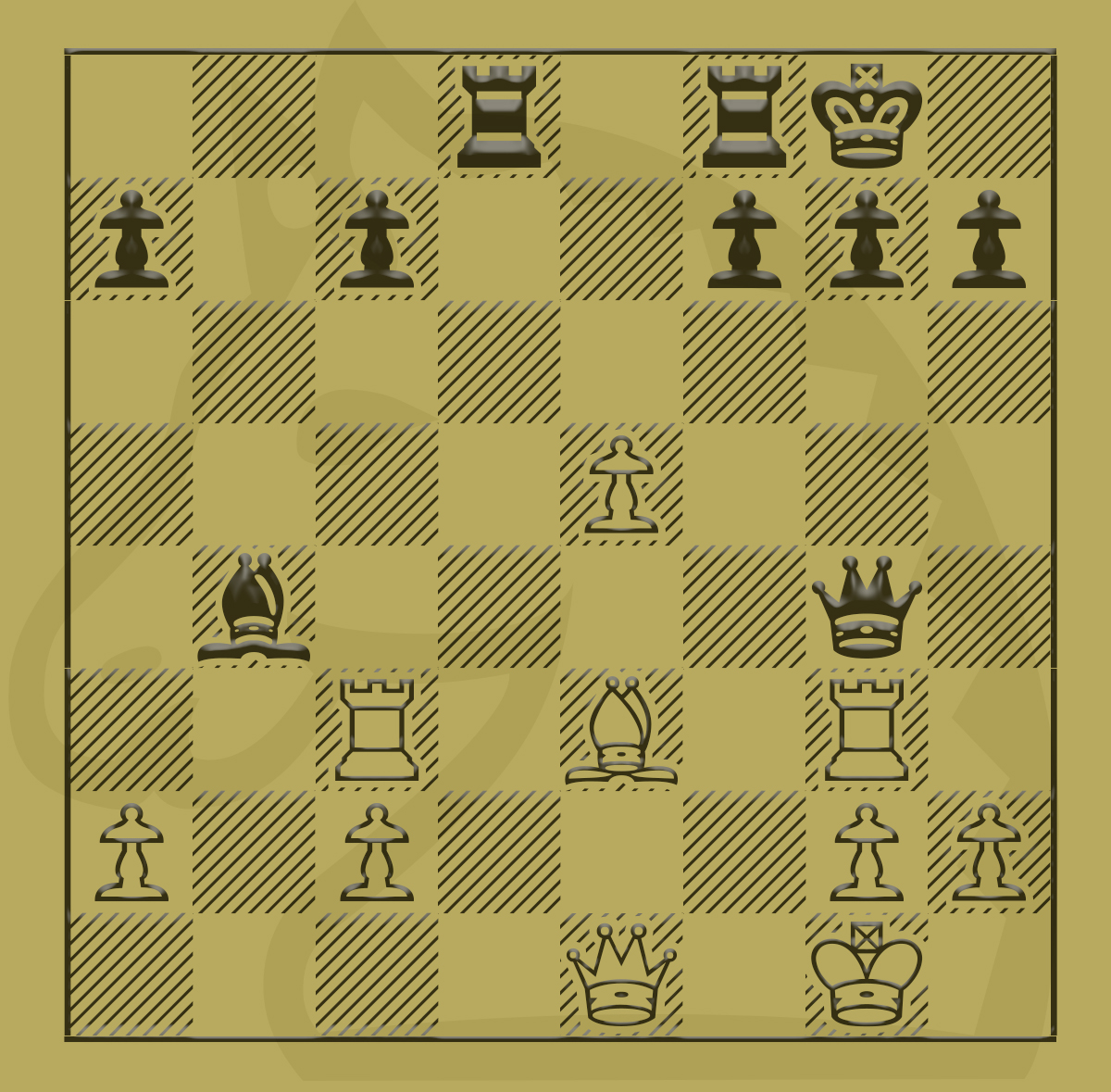
Bettina Trabert (2165)-IM Zorica Nikolin (2165) Women’s Ol. Dubai, 1986 [B22] 1.e4 c5 2.c3 Nf6 3.e5 Nd5 4.d4 cxd4 5.Bc4 Qc7 6.Qe2 Nb6 7.Bd3 Nc6 8.Nf3 d5 9.O-O (9.exd6!?) 9…Bg4 10.Bf4 e6 11.Rc1?! (White gets out of the pin with 11.cxd4 Nxd4 12.Qe3 Nf5 13.Bxf5 Bxf5.) 11…dxc3 (Black now has the advantage.) 12.Nxc3 a6 13.a3 Be7 14.b4 Qd8 15.Rab1 Nd4 16.Qe3 Nxf3+ 17.gxf3 Bh5 18.Ne2 Bg6 19.Rb3 Bxd3 20.Rxd3 Rc8 21.Rxc8 Nxc8 22.Nd4 Nb6 23.Bg3 Nc4 24.Qe2 Qd7 25.f4 g6 26.f3 O-O 27.Be1 Rc8 28.Qg2 Kh8 29.Rc3 Nb6 30.Qc2 Rc4 31.Rxc4 dxc4 (Black can also play 31…Nxd4, but it’s important to gain a promising potential passed pawn.) 32.Bf2 Qa4 (> 32…Qc7) 33.Qc1 Bd8 34.Ne2 Qd7 35.Bc5?! (> 35.Nd4)
35…Qd3! -+ 36.Nd4 Nd5 37.Qc2 Qxc2 38.Nxc2 b6 39.Be3 b5 40.Kf2 Kg8 41.Nd4 Bb6 (Black simplifies by trading down and win with her advanced c-pawn.) 0-1
WGM Shilan Liu (2325)-WIM Zorica Nikolin (2325) Women’s Izt. Tuzla, 1987 1.e4 e5 2.Nf3 Nc6 3.Bb5 a6 4.Ba4 Nf6 5.O-O Nxe4 6.d4 b5 7.Bb3 d5 8.dxe5 Be6 9.c3 Bc5 10.Nbd2 O-O 11.Bc2 Nxf2 (The tactical Dilworth, a good surprise opening. Advantage lies with the person who either studied it more deeply or is more tactically inclined.) 12.Rxf2 f6 13.exf6 Bxf2+ (13…Qf6 is an alternate move.) 14.Kxf2 Qxf6 15.Kg1 g5 16.h3!? (16.Nb3, the most common move, runs into 16…g4! 17.Qd3 Rf7, and Black probably has a slight advantage. Proving it will take more analysis than we have space here. We have to ask, did White know this and willing avoided it?) 16…h5 17.Nf1 g4 18.hxg4 hxg4 19.Ng5 Qf2+ 20.Kh1 Qh4+ 21.Kg1 Qf2+ 22.Kh2 1/2-1/2
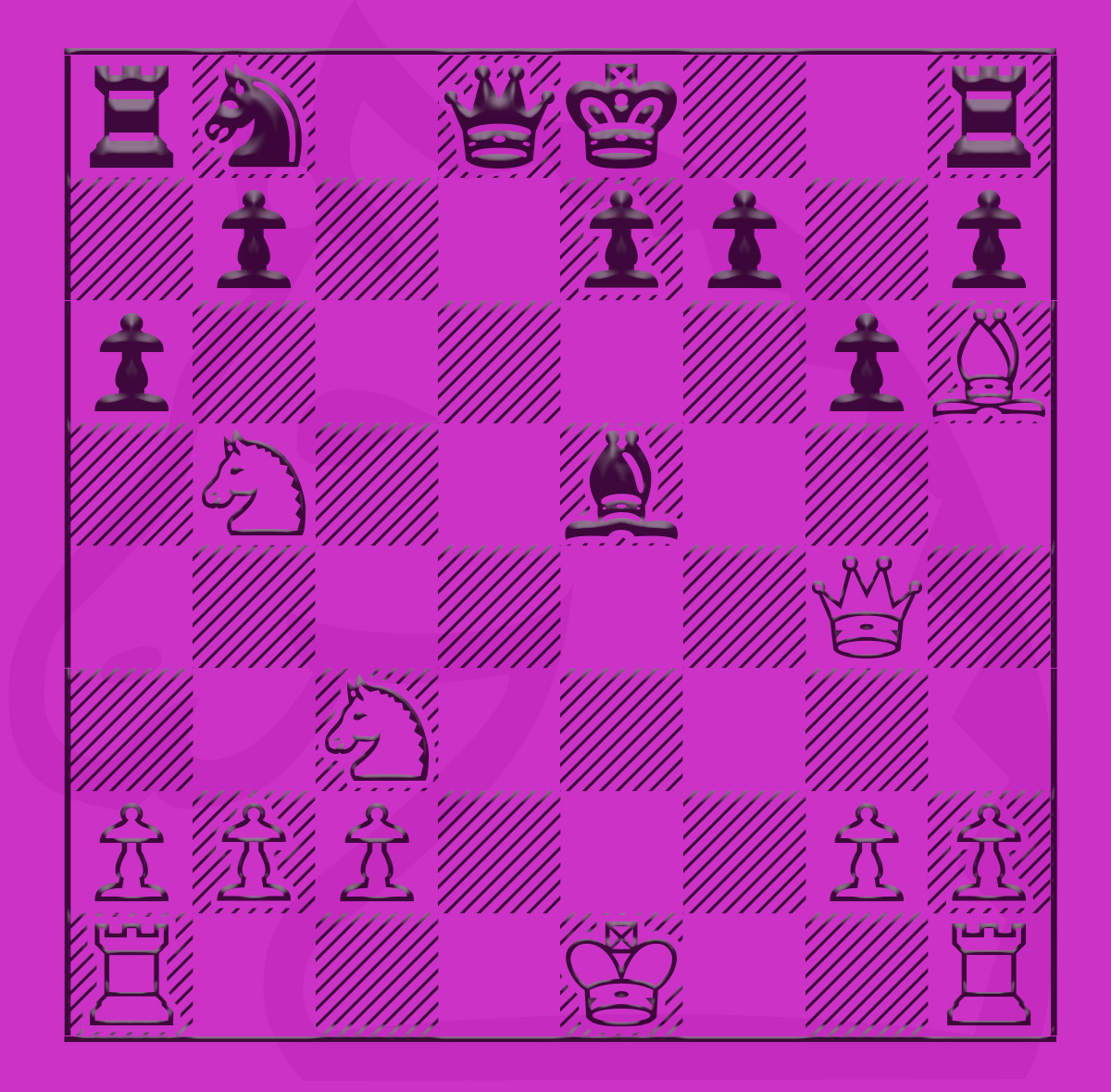
Ljupco Radicevski (2159)-WIM Zorica Nikolin (2230) Skopje Open, Dec. 17 1998 [A03] 1.f4 d5 2.g3 Nf6 [ECO gives 2…Qd6 3.Bg2 e5 4.fxe5 Qxe5 5.Nc3 Nf6 6.Nf3 Qh5 7.O-O Bc5+ 8.d4 Bb4 (unclear), citing Wade-Barcza, Belgrade 1954.] 3.Bg2 c5 4.d3 Nc6 5.Nf3 g6 6.O-O Bg7 7.Qe1 d4 8.Na3 Nd5 9.Bd2 O-O 10.c3 Bf5!? (More common is 10…e5. The text move indicates that Black wants prefers piece development over space.) 11.h3?! h5! (Only now does Black seek space for her pieces in light of White loosening of his kingside.) 12.Nc2 Qd7 13.Kh2 e5 14.c4 Nde7 15.Nh4 Rae8 16.b4 exf4 17.gxf4 b6 18.b5 Nd8 19.Qg3 Be6 20.Bf3 Nf5 21.Nxf5 Bxf5 22.Rg1 f6 23.Ne1 Qc7 24.Ng2 g5 25.Bxh5 Re7 26.Raf1 Ne6 27.Bf3 Bh6 28.Bd5 Kh8 29.Qf3 Rh7 30.Rh1












 The Gambit Chess Player